

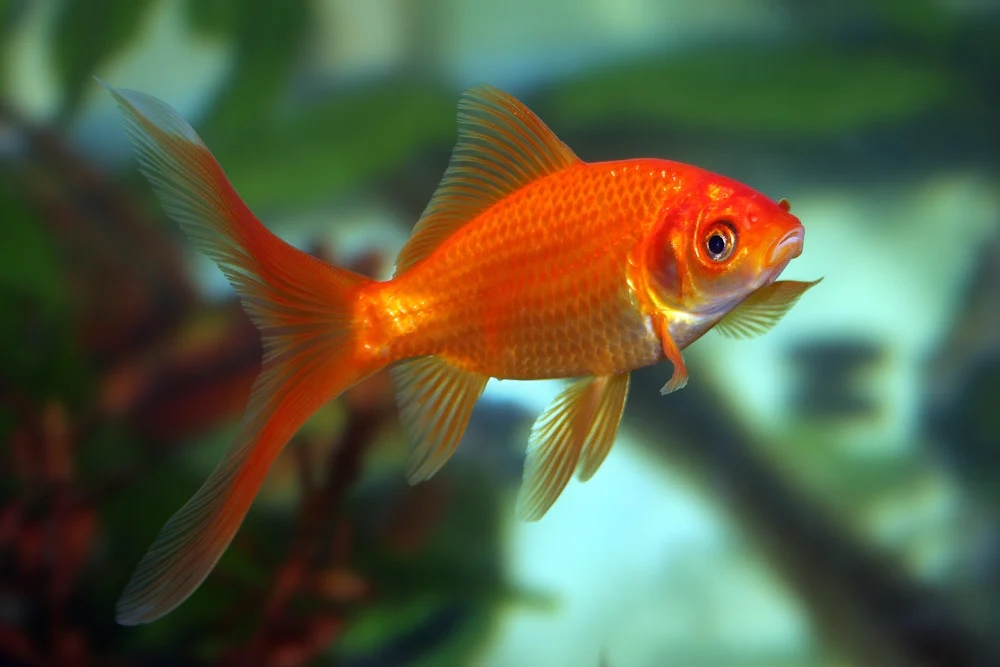
Is a Freshwater Aquarium Right for You?
Thinking about getting a freshwater aquarium? Good choice. It can be incredibly rewarding. But it's not as simple as filling a tank and dropping in some fish. Trust me, I've seen the consequences in the exam room. A little planning goes a long way.
This guide covers the essentials. We'll discuss everything from tank setup to fish compatibility. Let's dive in.
Setting Up Your Freshwater Paradise
First things first: the tank. Size matters. A larger tank is generally easier to maintain. More water volume means more stable water parameters. Think about the adult size of the fish you want to keep.
Essential Equipment
- Filter: A good filter is non-negotiable. It removes waste and keeps the water clean. Canister filters, hang-on-back filters, and sponge filters are all viable options.
- Heater: Most tropical fish need a stable temperature. Get an aquarium heater and a reliable thermometer.
- Lighting: Lighting isn't just for aesthetics. It's crucial for live plants. LED lights are energy-efficient and long-lasting.
- Substrate: Gravel or sand provides a surface for beneficial bacteria to colonize. Rinse it thoroughly before adding it to the tank.
Water Parameters: The Key to Success
Water quality is mission-critical. You need to understand pH, ammonia, nitrites, and nitrates. These parameters directly impact your fish's health. Invest in a good testing kit. Test regularly.
Ammonia and nitrites should always be zero. Nitrates should be kept as low as possible through regular water changes. High nitrates can stress fish and promote algae growth.
pH is a measure of acidity or alkalinity. Most freshwater fish prefer a pH between 6.5 and 7.5. Stability is more important than hitting a specific number. Sudden pH swings can be deadly.
Choosing Your Finny Friends
Not all fish are created equal. Some are peaceful community fish. Others are territorial bullies. Do your research before you buy. Compatibility is key to a harmonious aquarium.
Popular Freshwater Fish
- Tetras: Small, colorful, and generally peaceful. Neon tetras, cardinal tetras, and black skirt tetras are popular choices.
- Guppies: Livebearers that are easy to breed. They come in a wide variety of colors and patterns.
- Platies: Another livebearer that's similar to guppies. They're hardy and adaptable.
- Corydoras Catfish: Peaceful bottom-dwellers that help keep the tank clean. They're social fish, so keep them in groups.
- Betta Fish: Stunning, but notoriously aggressive. They should be kept alone or with very peaceful tank mates.
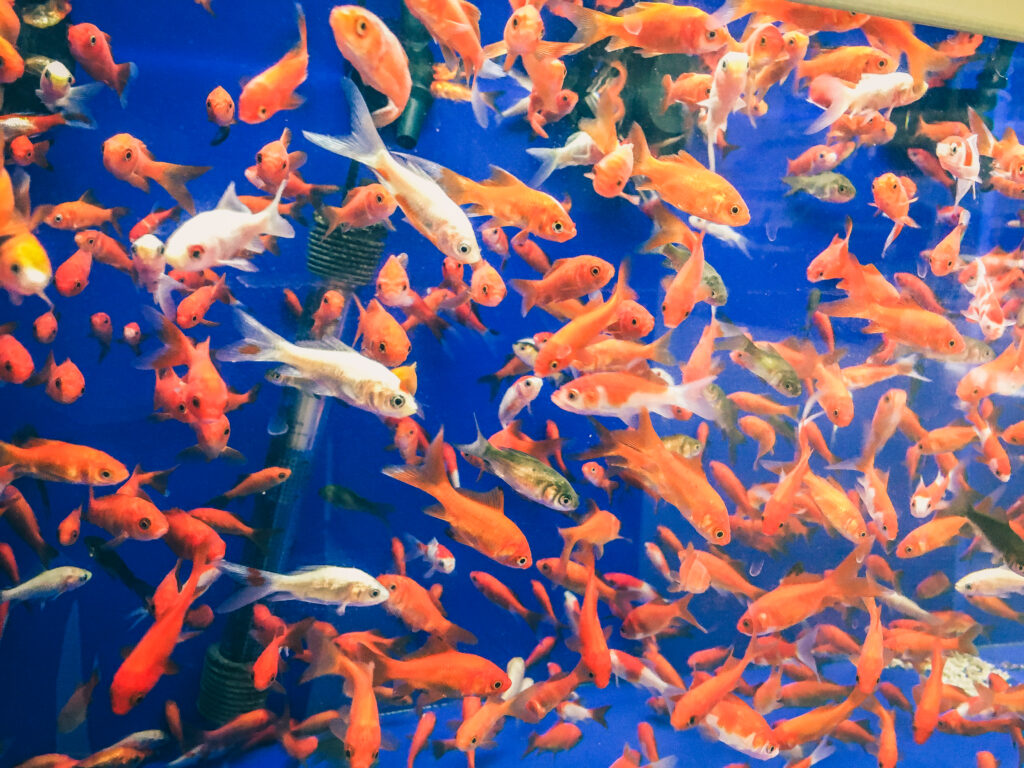
Avoiding Overcrowding
Overcrowding is a common mistake. It leads to poor water quality and stressed fish. A good rule of thumb is one inch of fish per gallon of water. But this is just a guideline. Consider the adult size of the fish and their activity level.
Maintaining a Healthy Aquarium
Maintenance is an ongoing process. It's not a one-time thing. Regular water changes are essential. Vacuum the gravel to remove debris. Clean the filter regularly.
Water Changes
Change 25-50% of the water every 1-2 weeks. Use a dechlorinator to remove chlorine and chloramine from the tap water. Match the temperature of the new water to the temperature of the tank water. This prevents shock.
Feeding Your Fish
Overfeeding is a common problem. Fish should be fed only what they can consume in 2-3 minutes. Uneaten food decomposes and pollutes the water. A varied diet is best. Offer a mix of flakes, pellets, and frozen foods.
The Expert's Corner: Disease Prevention
Quarantine new fish. Seriously. Keep them in a separate tank for a few weeks to observe them for signs of disease. This prevents the spread of illness to your established aquarium. Look for signs like clamped fins, white spots (ich), or abnormal swimming behavior (ataxia). Early detection is critical.
Pro-Tip: Keep a close eye on your fish. Observe their behavior daily. Are they eating normally? Are they swimming actively? Are their colors bright? Any changes in behavior can be an early warning sign of illness. And listen for gurgling sounds from the fish (borborygmi). It can tell you a lot!
Troubleshooting Common Problems
Algae blooms? Cloudy water? Fish acting strange? Don't panic. Most aquarium problems can be solved with a little troubleshooting.
Algae Blooms
Too much light, excess nutrients, or poor water circulation can cause algae blooms. Reduce the amount of light the tank receives. Perform more frequent water changes. Add algae-eating fish or invertebrates.
Cloudy Water
Bacterial blooms, overfeeding, or disturbances to the substrate can cause cloudy water. Perform a large water change. Vacuum the gravel thoroughly. Make sure your filter is working properly.
A Final Word
Freshwater aquariums can bring a lot of joy. But they require commitment and attention to detail. Do your research, be patient, and enjoy the journey!