

So, You're Thinking About Freshwater Fish?
Okay, let's be real. You're probably picturing a serene aquarium, a calming oasis in your living room. That's the dream, right? But owning freshwater fish is more than just aesthetics. It's a responsibility. I see a lot of preventable problems in the exam room... things that could have been avoided with a little knowledge. Let's get you prepped.
Quick Answer: Healthy freshwater fish need clean water, a stable temperature, compatible tank mates, and proper nutrition. Regular tank maintenance and keen observation are crucial. Avoid overfeeding to prevent health issues.
Choosing the Right Freshwater Fish
Not all fish are created equal. Goldfish and neon tetras? Vastly different needs. Research is non-negotiable. Consider your tank size first. Cramped conditions are a recipe for stress and disease.
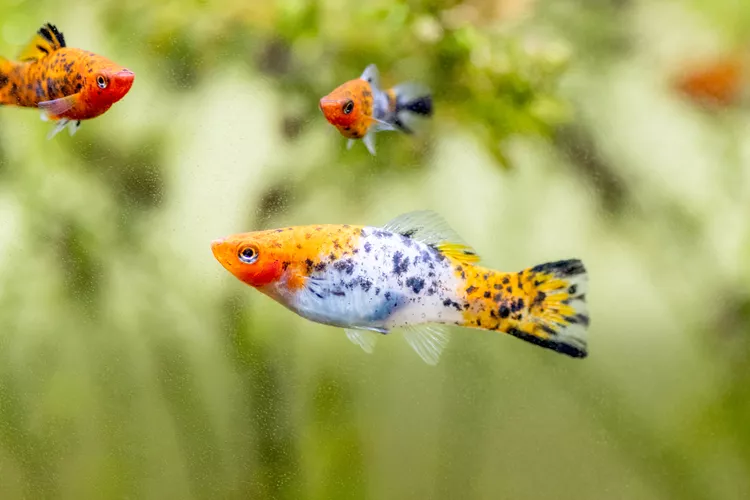
- Community Fish: These get along with others (e.g., tetras, corydoras).
- Semi-Aggressive Fish: Need careful tank mate selection (e.g., some barbs).
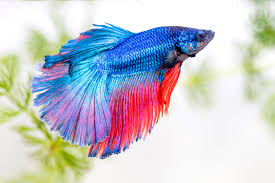
- Aggressive Fish: Best kept alone (e.g., bettas).
Seriously, do your homework. A stressed fish is a sick fish.
Setting Up Your Aquarium: The Basics
Think of your aquarium as a tiny ecosystem. It needs to be balanced. You’ll need a tank (duh), a filter, a heater, substrate (gravel or sand), and decorations. Cycle the tank before adding fish. This establishes beneficial bacteria that break down waste.
Water Quality is King
Ammonia and nitrites are toxic to fish. Regular water changes are mission-critical. Test your water parameters frequently using a liquid test kit. Don't trust the dip strips – they're often inaccurate. Aim for zero ammonia and nitrites, and low nitrates.
Temperature Matters
Most freshwater fish thrive in a temperature range of 72-78°F (22-26°C). Use a reliable heater and thermometer to maintain a stable temperature. Fluctuations can cause stress and weaken their immune systems.
Feeding Your Freshwater Fish: Less is More
Overfeeding is a huge problem. Fish have tiny stomachs. Give them only what they can eat in 2-3 minutes. Uneaten food decomposes and pollutes the water. A pinch a day keeps the vet away (sort of).
Vary their diet. Flakes are fine as a base, but supplement with frozen or live foods like bloodworms or daphnia. This ensures they get all the nutrients they need.
Spotting Problems: Watch Closely
Early detection is key. Learn to recognize the signs of illness.
- Changes in behavior: Lethargy, hiding, not eating.
- Physical symptoms: White spots (ich), fin rot, cloudy eyes.
- Abnormal swimming: Erratic movements, swimming upside down (ataxia, in vet-speak).
Quarantine new fish for a few weeks before adding them to your main tank. This prevents the spread of disease.
The Expert's Corner
Vet's Perspective: I can't stress enough the importance of observation. Get to know your fish's normal behavior. That way, you'll notice subtle changes that indicate a problem. And don't be afraid to ask for help! A good local fish store can be a wealth of information. If you suspect your fish is sick, consult a veterinarian who specializes in aquatic animals. Early intervention can make all the difference. Oh, and those gurgling sounds you hear? That’s usually just normal gut activity. We call it borborygmi… but you can just call it fish farts.