

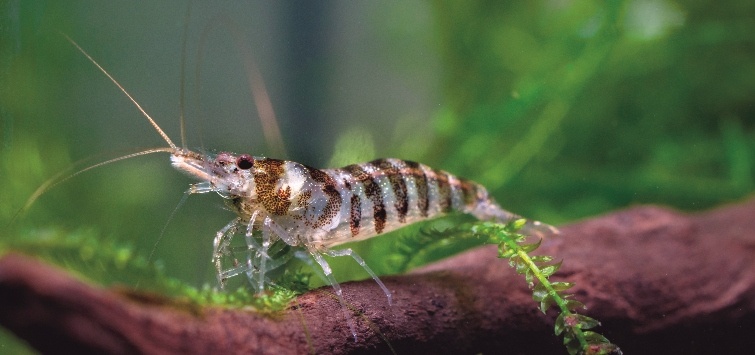
Freshwater Shrimp: Your New Aquatic Friends
So, you're thinking about adding freshwater shrimp to your aquarium? Smart move. They're not just pretty faces. These little guys are fascinating, beneficial, and surprisingly low-maintenance. Trust me; after 15 years, I've seen it all in the exam room. From goldfish swallowing gravel to surprisingly healthy shrimp tanks. Let’s dive in.
Choosing the right species, understanding their needs, and creating a suitable environment are mission-critical for their well-being. This guide provides everything you need.
Choosing the Right Shrimp: A Shrimp for Every Tank
Not all shrimp are created equal. Consider your tank size and existing fish population. Some are peaceful. Others? Not so much.
- Cherry Shrimp (Neocaridina davidi): Hardy, prolific, and come in various colors.
- Amano Shrimp (Caridina multidentata): Excellent algae eaters. A must-have for planted tanks.
- Ghost Shrimp (Palaemonetes paludosus): Inexpensive and relatively hardy, but can be a bit aggressive.
- Crystal Red/Black Shrimp (Caridina cantonensis): More sensitive, requiring pristine water conditions.
Vet's Perspective: I often recommend Cherry Shrimp to beginners. They’re forgiving of minor water parameter fluctuations and readily breed, giving you a thriving colony.
Setting Up the Perfect Shrimp Tank: Habitat is Key
Tank setup is non-negotiable. Shrimp need a well-established aquarium with stable water parameters. Don't rush it.
- Tank Size: A 5-gallon tank is the absolute minimum, but 10 gallons or larger is preferable.
- Substrate: Inert substrates like gravel or sand are fine. Shrimp-specific substrates can help maintain optimal water parameters.
- Filtration: A sponge filter is ideal. It provides gentle filtration and prevents shrimp from being sucked in.
- Heater: Maintain a stable temperature between 72-78°F (22-26°C).
- Plants and Decorations: Provide plenty of hiding places with plants like Java moss, driftwood, and rocks.
Pro-Tip: Cycle your tank *before* adding shrimp. This means establishing a healthy colony of beneficial bacteria to process waste. Test your water regularly using a liquid test kit. The strips? Inaccurate.
Water Parameters: The Nitty-Gritty Details
Water quality is paramount. Shrimp are sensitive to changes in water chemistry. Stability is key.
- pH: Maintain a pH between 6.5 and 7.5.
- Ammonia and Nitrite: 0 ppm (parts per million).
- Nitrate: Below 20 ppm.
- GH (General Hardness): Varies depending on the species, but generally between 4-8 dGH.
- KH (Carbonate Hardness): Between 1-4 dKH.
Regular water changes are crucial. Perform 10-20% water changes weekly using dechlorinated water. Match the temperature.
Feeding Your Shrimp: What's on the Menu?
Shrimp are primarily scavengers. They'll graze on algae and detritus in the tank. But supplemental feeding is still important.
- Shrimp Pellets: Offer a high-quality shrimp pellet as a staple food.
- Algae Wafers: Supplement their diet with algae wafers.
- Blanched Vegetables: Offer blanched zucchini, spinach, or carrots as a treat.
- Leaf Litter: Indian Almond Leaves (IAL) provide tannins and a food source for biofilm growth.
Vet's Perspective: Overfeeding is a common mistake. Shrimp have tiny stomachs. Only feed them what they can consume in a few hours. Remove any uneaten food.
Tank Mates: Who Plays Nice?
Choosing compatible tank mates is vital. Some fish will see shrimp as a tasty snack. Avoid aggressive or large fish.
Good tank mates include:
- Small, peaceful fish like Neon Tetras, Ember Tetras, or Chili Rasboras.
- Snails like Nerite Snails or Mystery Snails.
Avoid these:
- Large or aggressive fish like Cichlids, Bettas, or Goldfish.
- Fish known to nip at fins, like Tiger Barbs.
Common Shrimp Diseases and Problems: Spotting Trouble
Keep an eye out for signs of illness. Early detection is critical. Common problems include:
- Bacterial Infections: Look for cloudy or discolored shrimp. Treat with appropriate antibiotics.
- Fungal Infections: Fuzzy growths on the shrimp's body. Treat with antifungal medications.
- Molting Problems: Difficulty shedding their exoskeleton. Ensure proper water parameters and mineral supplementation.
Pro-Tip: Quarantine new shrimp before introducing them to your main tank. This helps prevent the spread of disease. Observe them closely for any signs of illness.
Breeding Freshwater Shrimp: A Population Boom?
Breeding shrimp is relatively easy. Provide optimal conditions, and they'll readily reproduce. It can get out of hand though. Be prepared.
Key factors for successful breeding:
- Stable water parameters.
- Plenty of hiding places for shrimplets (baby shrimp).
- A diet rich in calcium and minerals.
Vet's Perspective: Shrimplets are tiny and vulnerable. Protect them from predators by providing dense vegetation like Java moss.
The Expert's Corner: Real-World Shrimp Keeping
Here's the honest truth: shrimp keeping isn't always easy. There will be challenges. But the rewards are worth it.
Don't be afraid to experiment. Try different foods, plants, and tank setups. Learn from your mistakes. And most importantly, enjoy the process.
Remember, every tank is unique. What works for one person might not work for another. Observation is your best tool.
And if you're ever unsure, don't hesitate to consult with a veterinarian or experienced shrimp keeper. We're here to help.