

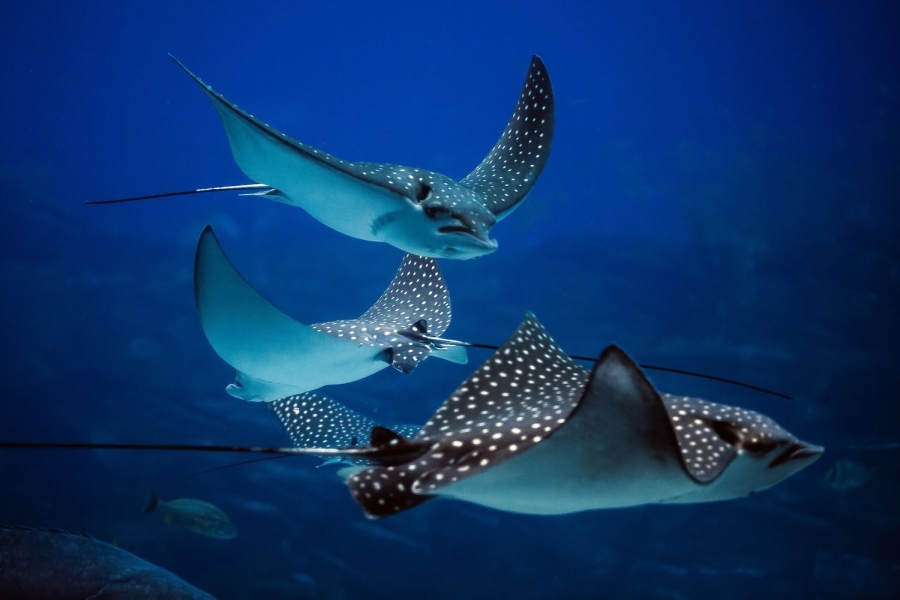
Freshwater Stingrays: The Ultimate Care Guide for Home Aquariums
So, you're thinking about a freshwater stingray? Alright. They're captivating creatures, no doubt. But let's be real: they're a serious commitment. Not a goldfish. We're talking about a complex animal with very specific needs. This guide will give you the straight dope. From one tired vet to another (potential) ray owner.
Quick Answer: Freshwater stingrays thrive in large tanks (180+ gallons) with sandy bottoms and impeccable water quality. Carnivorous diets of meaty foods are essential. Filtration and frequent water changes are non-negotiable. They're solitary creatures, not suited for community tanks. Research is key.
Understanding Freshwater Stingrays
First things first. Not all stingrays can live in freshwater. The ones we're talking about are primarily from South America. They are adapted to those river systems. Know your species. Common species include the Leopoldi (Black Diamond), motoro, and reticulated rays. These are the ones you'll likely encounter in the aquarium trade.
Species Considerations
- Leopoldi (Black Diamond): Stunning, but demanding.
- Motoro: Relatively hardy, good for beginners (relatively speaking!).
- Reticulated: Beautiful patterns, needs pristine water.
Each species has slightly different requirements. Do your homework. Seriously.
Setting Up the Perfect Stingray Tank
Tank size matters. Big time. Think at least 180 gallons for a single ray. Bigger is always better. They need room to move and forage. A cramped tank leads to stress. Stress leads to disease. And nobody wants that.
Tank Essentials
- Size: 180 gallons minimum.
- Substrate: Fine sand. They burrow. Sharp gravel will injure them.
- Filtration: Over-filtration is your friend. Canister filters are ideal.
- Water Parameters: pH 6.5-7.5, Ammonia 0, Nitrite 0, Nitrate <20 ppm. This is mission-critical.
- Temperature: 78-82°F (25-28°C). Stable temperature is key.
Water Quality: The Non-Negotiable
Stingrays are sensitive to water quality. Ammonia and nitrite spikes are deadly. Regular water changes (25-50% weekly) are a must. Invest in a good test kit. Know your water. I can't stress this enough.
Feeding Your Freshwater Stingray
They are carnivores. They need meaty foods. Variety is key to a healthy ray. A diet of only one type of food will lead to nutritional deficiencies. I see it all the time in the exam room.
Dietary Staples
- Earthworms: A great staple.
- Blackworms: Another good option.
- Chopped Fish: Shrimp or tilapia.
- Frozen Foods: Bloodworms, mysis shrimp.
Feed juveniles daily. Adults can be fed every other day. Watch their body condition. Adjust as needed. Observe feeding behavior. Make sure everyone is getting enough.
Health and Disease
Prevention is better than cure. Always. Quarantine new arrivals. Observe for signs of illness. Things like clamped fins, lethargy, or loss of appetite.
Common Ailments
- Parasites: Internal and external. Treat promptly.
- Bacterial Infections: Often secondary to poor water quality.
- Fungal Infections: Less common, but possible.
- Nutritional Deficiencies: From improper diet.
If you suspect your ray is sick, consult a vet experienced with aquatic animals. Don't delay. Early intervention is crucial.
The Expert's Corner: Vet's Perspective
Here's a pro-tip from years of dealing with these guys: Pay attention to their eyes. Cloudy eyes are often a sign of poor water quality or infection. Also, watch for any changes in their skin. Lesions or discoloration can indicate a problem. And, for goodness' sake, don't overcrowd the tank. I've seen owners try to cram too many fish in there. It always ends badly. Remember that these animals need space to thrive.
Behavior and Compatibility
Freshwater stingrays are generally peaceful. But they are predators. Small fish may become snacks. Avoid keeping them with aggressive fish. They can get injured. Think about tank mates carefully. Avoid nippy fish. Peaceful tankmates are ideal. This reduces stress.
Breeding Freshwater Stingrays
Breeding in home aquariums is rare. It requires very specific conditions. And a lot of luck. They are livebearers. The female gives birth to live young. The fry are vulnerable. They need a separate rearing tank. Breeding is best left to experienced aquarists.