

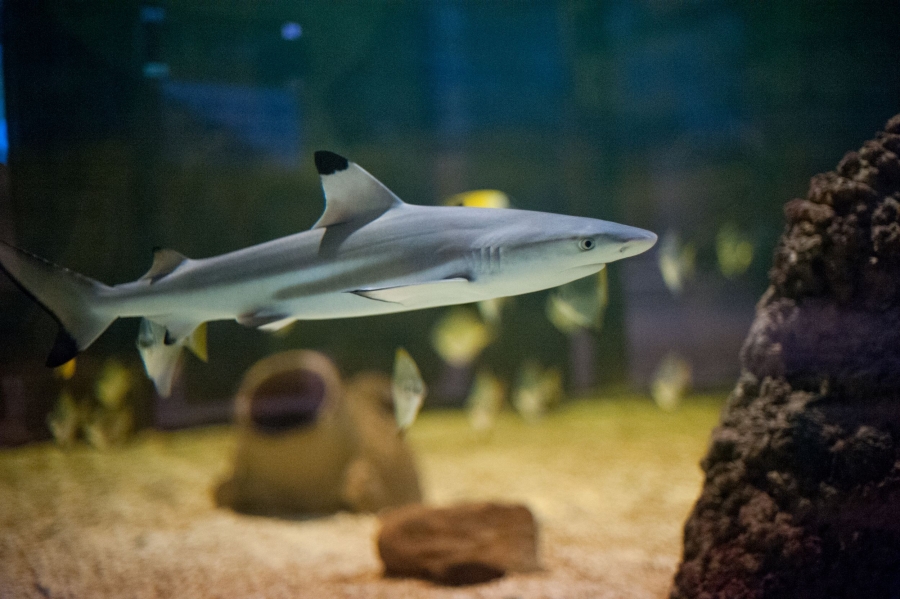
Freshwater Sharks: Can You REALLY Keep One as a Pet?
Okay, so you're thinking about a freshwater shark. I get it. They look cool. The name sounds… intense. But before you rush out to buy one, let's get real. These aren't exactly beginner fish. And the name is a bit misleading. Let's dive in, shall we?
Quick Answer: True freshwater sharks don't exist. Several fish are called "freshwater sharks" due to their shark-like appearance. These include Bala Sharks, Rainbow Sharks, and Iridescent Sharks. They need large tanks and specific care. Are you prepared?
What Exactly IS a "Freshwater Shark?"
Here's the deal: no true sharks live exclusively in freshwater. What we call "freshwater sharks" are actually freshwater fish species that happen to resemble sharks in shape or fin structure. It's a common name, not a scientific classification. Confusing, I know. Happens all the time in the exam room.
Common culprits include:
- Bala Sharks (Balantiocheilos melanopterus): These are probably what most people picture. Silver bodies, black-edged fins. Peaceful, usually.
- Rainbow Sharks (Epalzeorhynchos frenatum): Black body, bright red fin. Can be territorial. Keep that in mind.
- Iridescent Sharks (Pangasianodon hypophthalmus): Big, silver, and fast-growing. Often sold to beginners. A recipe for disaster, honestly.
Tank Size: Bigger IS Better
This is non-negotiable. These fish get BIG. Bala Sharks can reach 14 inches. Rainbow Sharks, around 6 inches. Iridescent Sharks? Forget about it. They can hit 4 feet. Four. Feet.
Here's the bare minimum:
- Bala Sharks: 125 gallons. Minimum. More is better.
- Rainbow Sharks: 75 gallons. They need space to establish territories.
- Iridescent Sharks: Forget about keeping them in a home aquarium. Seriously. Unless you have a pond.
Small tanks lead to stress. Stress leads to disease. Disease leads to… well, you get the picture. Don't do it. Filtration is also mission-critical. These fish produce a lot of waste. Invest in a good filter. Over-filtration is your friend.
Water Parameters: Keeping Things Stable
Stable water parameters are key. Ammonia and nitrite? Zero. Nitrate? As low as possible. Regular water changes are a must. Aim for 25-50% weekly.
Temperature is also important. Aim for 75-82°F (24-28°C). A good heater is essential. Use a reliable thermometer. Don't eyeball it. Trust me. I’ve seen things…
pH should be slightly acidic to neutral (6.5-7.0). Test your water regularly. Know your parameters. Your fish will thank you.
Diet: They're Not Picky, But…
These fish are omnivores. They'll eat almost anything. But that doesn't mean you should feed them garbage. A varied diet is best.
Offer high-quality flake food, pellets, and frozen foods. Bloodworms, brine shrimp, daphnia… they love it all. Supplement with vegetables. Blanched zucchini, spinach, peas… good stuff.
Don't overfeed. It's a common mistake. Feed only what they can consume in a few minutes. Overfeeding leads to water quality issues. And nobody wants that.
Tank Mates: Choose Wisely
Bala Sharks are generally peaceful. They do best in groups. Keep at least 3-5 together. Rainbow Sharks can be territorial. Especially towards other fish with similar shapes. Avoid keeping them with other red-finned fish.
Iridescent Sharks? They'll eat anything that fits in their mouth. Which is… a lot. Avoid small fish. And anything slow-moving. They'll become lunch.
Good tank mates include larger tetras, barbs, gouramis, and catfish. Do your research. Compatibility is key. Observe your fish. Watch for signs of aggression.
The Expert's Corner: Real-World Advice
Here's the truth: these fish are often impulse buys. People see them in a pet store. They look cool. They buy them without thinking. Don't be that person. Plan ahead. Do your research. Prepare your tank.
Quarantine new fish. Always. Three to four weeks minimum. Watch for signs of disease. Ich, fin rot, clamped fins… these are all red flags. Treat accordingly. Don't introduce sick fish to your main tank.
If you're not prepared to commit to a large tank and regular maintenance, these fish aren't for you. It's that simple. There are plenty of other fish out there. Ones that are better suited for smaller tanks. Ones that are less demanding. Choose wisely.
Vet's Perspective: I've seen too many of these fish in tiny tanks. Stunted growth, poor health, shortened lifespans. It's heartbreaking. Do right by these animals. Give them the space and care they deserve.
Common Health Problems
Like all fish, freshwater sharks are susceptible to diseases. Ich (white spot disease) is common. Fin rot is another. Watch for changes in behavior. Loss of appetite, lethargy, clamped fins… these are all warning signs. Consult a vet. Early treatment is key.
Poor water quality is the root cause of many fish diseases. Maintain good water parameters. Perform regular water changes. Avoid overfeeding. These are the best ways to prevent disease.
Sometimes, you'll see fish flashing (rubbing against objects). This can indicate parasites. Or poor water quality. Investigate. Treat accordingly.
Are Freshwater Sharks Right for YOU?
Honestly? Probably not. Unless you have a large tank and are willing to commit to regular maintenance. These fish require a lot of space and care. They're not beginner fish. Be honest with yourself. Can you provide what they need?
If the answer is no, that's okay. There are plenty of other fish out there. Ones that are better suited for your experience level and tank size. Do your research. Choose wisely. Your fish will thank you.
Alternatives to Freshwater Sharks
If you like the shark-like appearance but can't commit to the size requirements, consider smaller fish. Some options include:
- Harlequin Rasboras: These have a distinctive shape and are relatively peaceful.
- Pencilfish: Slender and interesting, they add a unique look to the aquarium.
- Certain types of Loaches: Some loaches have elongated bodies that resemble sharks.
Research any fish before purchasing to ensure it's a good fit for your aquarium. Consider the adult size, temperament, and water parameter needs.
The Takeaway
Freshwater sharks can be rewarding pets, but they require significant commitment. Make sure you have the space, time, and resources to care for them properly. If you do, you'll be rewarded with a fascinating and beautiful addition to your aquarium.