

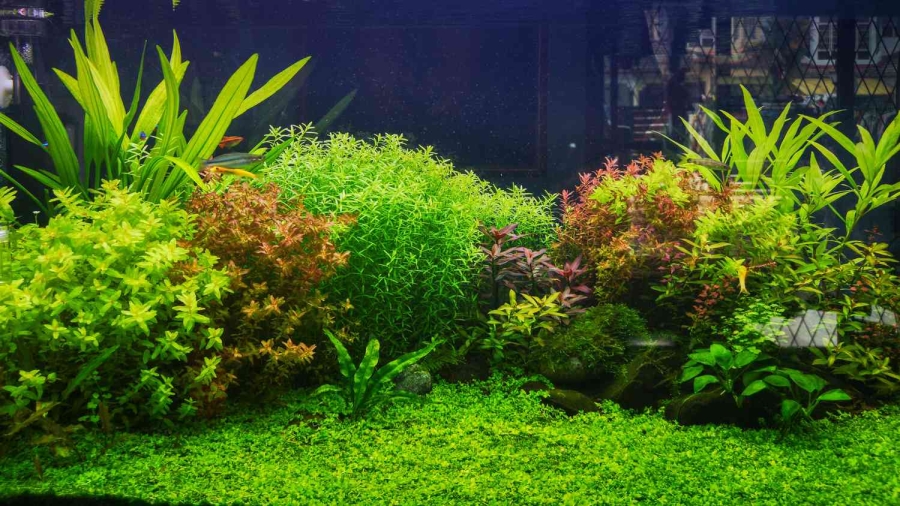
So, You Want a Planted Tank, Huh?
Listen, I've seen it all in the exam room. Fish with frayed fins from aggressive tank mates, cloudy water that looks like pea soup, and owners scratching their heads, wondering what went wrong. A lot of times, the answer is plants. Freshwater aquarium plants aren't just pretty; they're mission-critical for a healthy aquatic ecosystem.
Let's cut through the confusion and get your tank flourishing.
Why Bother with Aquarium Plants?
Why, indeed? Think of it this way: plants are the lungs and the liver of your aquarium. Okay, maybe not *literally*, but they perform similar vital functions.
- Oxygenation: Plants produce oxygen during photosynthesis, which is, you know, kind of essential for your fish to breathe.
- Natural Filtration: They absorb nitrates and other waste products, acting as a natural water purifier and reducing the need for constant water changes. This is huge.
- Algae Control: Plants compete with algae for nutrients. Less algae? Crystal clear water. Everybody wins.
- Shelter and Security: Plants provide hiding places for shy fish and fry (baby fish). Reduces stress.
- Aesthetics: Let's be honest, a planted tank is just plain beautiful.
Choosing the Right Plants: Not All Plants Are Created Equal
This is where things can get tricky. You can't just grab any old plant from the pet store and toss it in. Consider these factors:
- Lighting: Some plants need bright light; others prefer low light. Know your tank's lighting situation.
- Substrate: Some plants need a nutrient-rich substrate (the stuff at the bottom of your tank); others can get nutrients from the water column.
- Fish Compatibility: Some fish are plant-eaters. Do your research!
Beginner-Friendly Plants: Easy Peasy
Starting out? These plants are practically foolproof:
- Java Fern (Microsorum pteropus): Hardy, low-light, and can be attached to rocks or driftwood. Don't bury the rhizome (the horizontal stem)!
- Anubias (Anubias spp.): Another low-light champion. Slow-growing, but incredibly resilient. Again, don't bury the rhizome.
- Amazon Sword (Echinodorus bleheri): A classic for a reason. Needs more light than Java fern or Anubias, but still relatively easy to care for.
- Java Moss (Taxiphyllum barbieri): Great for carpeting or attaching to decorations. Provides shelter for fry.
- Hornwort (Ceratophyllum demersum): Grows like crazy! Good for absorbing excess nutrients and oxygenating the water. Can be a bit messy, though.
Intermediate Plants: A Little More TLC
Ready for a challenge? These plants require a bit more attention:
- Cryptocoryne (Cryptocoryne spp.): Comes in many varieties. Needs a nutrient-rich substrate. Can be sensitive to changes in water parameters.
- Water Wisteria (Hygrophila difformis): Fast-growing and beautiful. Needs moderate light and regular trimming.
- Ludwigia (Ludwigia spp.): Red coloration adds a pop of color to your tank. Needs moderate to high light.
Planting and Maintenance: Keep 'Em Thriving
Okay, you've got your plants. Now what?
- Planting: Gently rinse plants before planting. Use plant weights or glue (cyanoacrylate) to attach plants to rocks or driftwood. For substrate plants, use plant tabs (fertilizer) near the roots.
- Lighting: Provide adequate lighting for your chosen plants. LED lights are a good option.
- Fertilization: Liquid fertilizers can supplement nutrients in the water column. Don't over-fertilize! It can cause algae blooms.
- Trimming: Trim plants regularly to prevent overcrowding and maintain their shape. Use sharp scissors.
- Water Changes: Regular water changes (25-50% weekly) are still important, even with plants.
The Expert's Corner: Vet’s Perspective
Here's a pro-tip from years of seeing what works (and what *really* doesn't) in home aquariums: Don't be afraid to experiment. Start with a few easy plants and see how they do. Every tank is different. Water parameters, fish load, even the type of tap water you use can affect plant growth. Observe your plants closely. Are the leaves turning yellow? Are they growing too slowly? Adjust your lighting, fertilization, or CO2 levels accordingly.
And please, for the love of all that is aquatic, avoid adding medications to your tank unless absolutely necessary. Many medications can harm plants.
One more thing: always quarantine new plants in a separate tank for a few weeks before introducing them to your main tank. This helps prevent the spread of diseases and pests.
Troubleshooting: When Things Go Wrong
Plants not looking so hot? Here's a quick rundown of common problems:
- Yellowing Leaves: Nutrient deficiency (usually iron or potassium).
- Brown Spots: Algae or too much light.
- Holes in Leaves: Nutrient deficiency or fish eating the plants.
- Slow Growth: Insufficient light, CO2, or nutrients.
Diagnose the problem and adjust accordingly. And don't be afraid to ask for help! Your local fish store or online aquarium forums are great resources.