

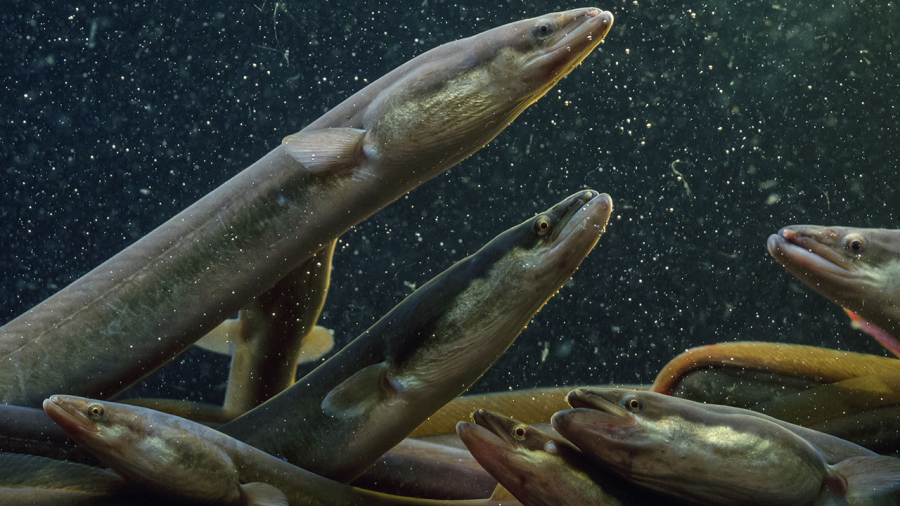
So, You Want a Freshwater Eel? Let's Talk.
Okay, so you're intrigued by freshwater eels. I get it. They're captivating creatures. But before you rush out and buy one, let's be real: these aren't your average goldfish. They need specific care, and frankly, a lot of people aren't prepared. I've seen too many eels come into the exam room in rough shape because of misinformation. So, let's get you prepped. This guide is designed to help you understand what's involved. No sugarcoating.
What Exactly *Is* a Freshwater Eel?
Good question. The term covers a wide range of elongated fish. Some are true eels (Anguilliformes), while others are simply fish that happen to look like eels. This is important. Why? Because their care requirements can vary significantly. Common examples include the Tire Track Eel (Mastacembelus favus) and the Fire Eel (Mastacembelus erythrotaenia). Note those scientific names; important for identification.
Setting Up the Perfect Eel Habitat
This is non-negotiable. A proper setup is absolutely crucial for your eel’s well-being. Let's break it down:
- Tank Size: Bigger is always better. Many freshwater eels grow quite large. A minimum of 75 gallons is often recommended, but research your specific species.
- Substrate: Soft substrate, like sand, is ideal. Eels like to burrow. Sharp gravel can injure them.
- Hiding Spots: Provide plenty of caves, rocks, and driftwood. Eels are nocturnal and need places to feel secure. PVC pipes work in a pinch.
- Filtration: A robust filtration system is mission-critical. Eels produce a lot of waste. Consider an oversized filter.
- Water Parameters: Maintain stable water parameters. This includes temperature, pH, ammonia, nitrite, and nitrate levels. Regular testing is essential.
- Secure Lid: Eels are escape artists. A tight-fitting lid is non-negotiable. Trust me on this one.
Water Quality: The Unsung Hero
I cannot stress this enough. Poor water quality is the #1 reason I see sick eels. Ammonia and nitrite poisoning are common. Invest in a good test kit. Perform regular water changes. Don't skimp on this! It will save you headaches (and vet bills) down the road.
Feeding Your Freshwater Eel
Eels are carnivores. They need a diet rich in meaty foods. Here's what they typically eat:
- Live Foods: Earthworms, blackworms, and feeder fish (use sparingly).
- Frozen Foods: Bloodworms, brine shrimp, and mysis shrimp.
- Pellets: Sinking carnivore pellets. Choose a high-quality brand.
Feed your eel at night. They are nocturnal hunters. Observe their feeding behavior. Make sure they are getting enough to eat. Adjust the amount accordingly.
Vet’s Perspective: Watch Out for Overfeeding!
Overfeeding is a common mistake. It leads to obesity and water quality problems. Feed small amounts. A few times a week. Not every single day.
Freshwater Eel Behavior: What to Expect
Eels are fascinating to watch. But they also have unique behaviors. Here's what you should know:
- Nocturnal Activity: Eels are most active at night. They spend the day hiding.
- Burrowing: They like to burrow in the substrate. This is normal behavior.
- Escape Attempts: As mentioned before, they are escape artists. Keep that lid secure!
- Occasional Erratic Behavior: Sometimes, eels exhibit strange behavior. This *could* be a sign of illness. Or it could be just an eel being an eel. Monitor closely.
Common Freshwater Eel Diseases
Like any pet, eels are susceptible to diseases. Be aware of the following:
- Ich (White Spot Disease): A common parasitic infection. Treat with appropriate medication.
- Fungal Infections: Can occur in poor water conditions. Improve water quality. Use antifungal medications.
- Bacterial Infections: Often caused by injuries. Treat with antibiotics.
- Parasitic Worms: Internal parasites can cause weight loss. Consult a vet for treatment.
The Expert's Corner: Quarantine New Arrivals
This is a pro tip I give to everyone. Quarantine new eels. For at least 4-6 weeks. This prevents the spread of disease. To your established tank. It's a simple precaution. That can save you a lot of heartache. And money.
Is a Freshwater Eel Right for You?
Let's be honest. Freshwater eels are not for everyone. They require a significant commitment. In terms of time, money, and effort. But if you're willing to put in the work. They can be rewarding pets. Just do your research. And be prepared.