

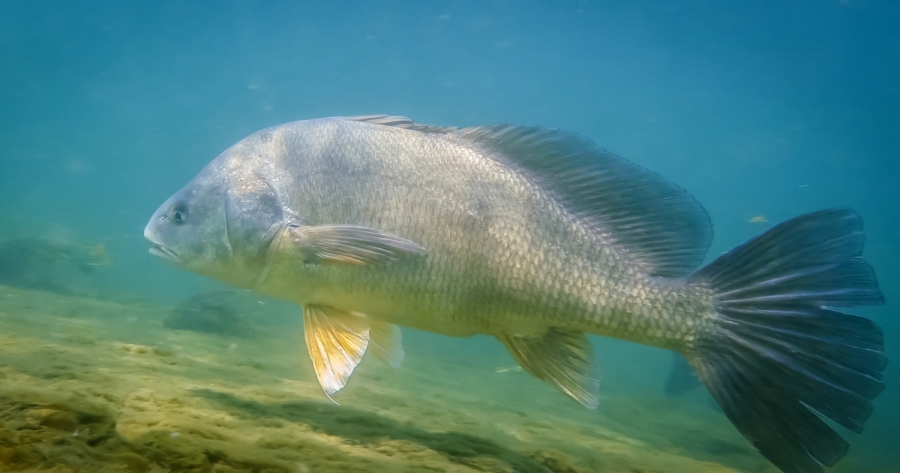
Freshwater Drum: The Complete Pet Owner's Guide
So, you're thinking about getting a freshwater drum, huh? Or maybe you've already got one. Either way, you've come to the right place. These fish are… something else. Big, kinda grumpy, and they need a keeper who knows what's what. They aren't goldfish. Let's dive in.
Keeping any animal requires research. It’s about providing the best care. And that starts with knowledge.
What Exactly IS a Freshwater Drum?
Aplodinotus grunniens. That's the scientific name. They're native to North America. Specifically, the Mississippi River basin, the Great Lakes, and even parts of Canada. They're the *only* exclusively freshwater member of the Sciaenidae family (which includes saltwater drums).
They're called 'drum' because... well, they make a drumming sound. It comes from their swim bladder. Sounds like someone tapping lightly on a drum. It's how they communicate.
Setting Up the Perfect Habitat
Space. They need lots of it. A single adult freshwater drum needs a tank that's at least 150 gallons. Bigger is always better. Seriously. Think about it: they can grow over two feet long. Cramped quarters? Recipe for disaster.
Water quality is non-negotiable. Invest in a good filtration system. Perform regular water changes. Test the water parameters frequently. Ammonia and nitrites? Should be zero. Nitrates? Keep them low. Aim for below 20 ppm. I see so many problems in the exam room that trace back to poor water quality. Don't let that be you.
Substrate? Sand or smooth gravel is best. Avoid anything sharp. Decor? Rocks, driftwood, and sturdy plants are good options. Make sure everything is secure. These fish are strong. They will rearrange the tank to their liking.
What Do Freshwater Drum Eat?
They are not picky eaters. But that doesn't mean you can just throw anything in there. A varied diet is mission-critical.
- Live foods: Earthworms, crickets, small fish (feeder goldfish are NOT recommended due to disease risks).
- Frozen foods: Bloodworms, brine shrimp, mysis shrimp.
- Prepared foods: High-quality sinking pellets or wafers.
Feed them 2-3 times a day. Only give them what they can eat in a few minutes. Overfeeding? Leads to water quality issues. And that leads to sick fish. It’s a vicious cycle.
Tank Mates: Who Plays Nice?
This is tricky. Freshwater drum can be aggressive. Especially as they get bigger. Choosing the right tank mates? It's a gamble. Avoid small, slow-moving fish. They'll likely become lunch.
Larger, more robust fish are your best bet. Think: other large North American natives. Gar, bowfin, catfish. Do your research. Observe their behavior closely. Separate them immediately if you see aggression.
Common Health Issues
Like any fish, freshwater drum are susceptible to certain health problems. Prevention is always better than cure.
- Ich: White spots on the body. Treat with appropriate medication.
- Fungal infections: Cotton-like growths. Improve water quality and use antifungal treatments.
- Parasitic infections: Various parasites can infest freshwater drum. Observe for signs like flashing, rubbing, or lethargy. Treat with appropriate medication.
Always quarantine new fish. This prevents the spread of disease. Regular water changes? Help prevent many health problems. Observe your fish daily. Early detection is key.
The Expert's Corner: Vet's Perspective
Here's a truth bomb: I see way too many fish owners who don't understand the nitrogen cycle. It's the foundation of aquarium keeping. Ammonia and nitrites are toxic to fish. Bacteria convert them into less harmful nitrates. You MUST understand this process. Get a test kit. Learn how to use it. Your fish will thank you.
Pro-Tip: Consider a UV sterilizer. It helps control algae and kill harmful pathogens. It's an investment. But it can save you a lot of headaches down the road.
Handling and Transportation
Moving a freshwater drum? It's not like moving a betta. These fish are large and powerful. Use a large, sturdy container. Add some of the tank water. Keep the water cool and well-oxygenated.
Minimize stress. Cover the container to reduce light. Transport them as quickly as possible. Acclimate them slowly to their new tank. Float the bag for 30 minutes. Then, gradually add tank water to the bag. Monitor them closely for signs of stress.
Is a Freshwater Drum Right For You?
They are a commitment. They require a large tank, good filtration, and a varied diet. They can be aggressive. They need an experienced fish keeper. If you're up for the challenge? They can be a rewarding addition to your aquarium. If not? Maybe stick with goldfish.
Remember, responsible pet ownership is about providing the best possible care. Do your research. Ask questions. And be prepared to meet the needs of your fish. Your fish depend on you. Don't let them down.