

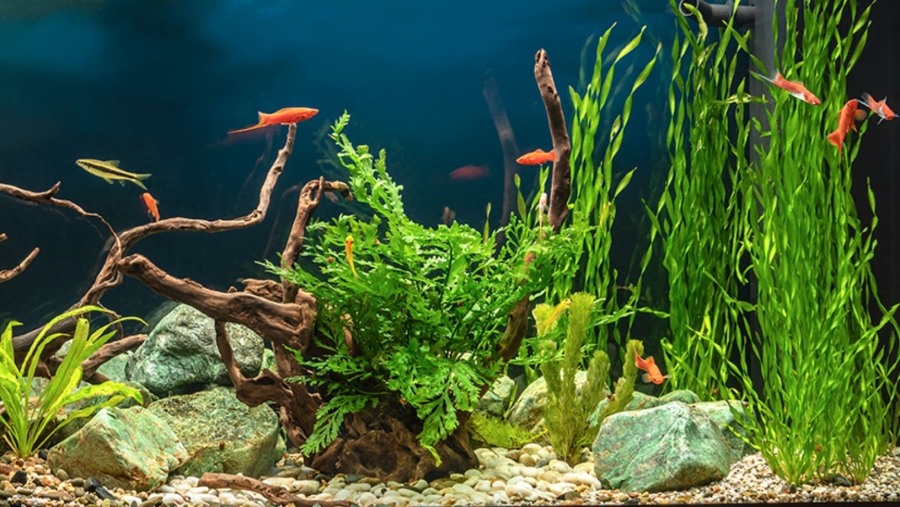
So, You Want a Freshwater Aquarium? Let's Dive In.
Alright, so you're thinking about setting up a freshwater aquarium. Good for you. It's a rewarding hobby... when things go right. But let's be real, it can also be frustrating. I've seen it all in the exam room: stressed-out owners, sick fish, and algae blooms that look like something out of a horror movie. This guide will help you navigate the murky waters of aquarium keeping.
Quick Answer: Freshwater aquariums are amazing! Success depends on tank size, stable water, compatible fish, and regular changes. Prioritize filtration and aeration. A healthy ecosystem is a happy ecosystem.
Setting Up Your Freshwater Aquarium: The Basics
First things first: the tank itself. Size matters. A larger tank is generally more stable and forgiving of mistakes. Think about it. More water dilutes waste products.
- Tank Size: Aim for at least a 20-gallon tank for beginners. Bigger is better.
- Location: Choose a stable, level surface away from direct sunlight. Sunlight promotes algae growth. Trust me, you don't want that.
- Substrate: Gravel or sand. Rinse it thoroughly before adding it to the tank.
Next up: filtration. This is absolutely mission-critical. A good filter removes waste and keeps the water clean. Undergravel filters, hang-on-back filters, and canister filters are all options.
- Filter Type: Research different filter types to find one that suits your tank size and needs.
- Filter Maintenance: Clean the filter regularly, but don't overdo it. You don't want to kill the beneficial bacteria.
Don't forget the heater! Most freshwater fish need a stable temperature. Aim for around 78°F (25.5°C).
Water Chemistry: The Unseen World
Water chemistry is where things get a little more complicated. You need to understand pH, ammonia, nitrite, and nitrate. These are the key players in the nitrogen cycle.
- pH: Most freshwater fish prefer a pH between 6.5 and 7.5.
- Ammonia & Nitrite: These are toxic to fish. A properly cycled tank will convert them into less harmful nitrate.
- Nitrate: Keep nitrate levels low with regular water changes.
Get a test kit! Seriously. Test your water regularly. It's the only way to know what's going on.

Choosing Your Fish: Compatibility is Key
Don't just buy the prettiest fish you see. Do your research. Some fish are aggressive and will bully others. Some fish get huge and need a larger tank.
- Community Fish: Tetras, guppies, and corydoras catfish are generally peaceful and good for beginners.
- Avoid Aggressors: Some cichlids and bettas (Siamese fighting fish) can be territorial.
- Research Tank Mates: Make sure the fish you choose are compatible in terms of temperament, water parameters, and diet.
Quarantine new fish! This is non-negotiable. Keep them in a separate tank for a few weeks to make sure they're healthy before adding them to your main tank. I can't stress this enough. It prevents outbreaks.
Maintenance: The Daily Grind
Aquarium keeping is not a set-it-and-forget-it hobby. It requires regular maintenance. Water changes are crucial.
- Water Changes: Change 25% of the water every 1-2 weeks. Use a gravel vacuum to remove debris from the substrate.
- Algae Control: Scrape algae off the glass regularly. Consider adding algae-eating fish or invertebrates.
- Filter Maintenance: Clean the filter media as needed.
Feeding: Don't Overdo It
Overfeeding is a common mistake. Fish only need a small amount of food. Feed them once or twice a day, and only give them what they can eat in a few minutes.
- Food Type: Choose a food that is appropriate for the type of fish you have.
- Variety: Offer a variety of foods to ensure your fish are getting all the nutrients they need.
- Observe: Watch your fish during feeding to make sure they are all getting enough to eat.
Troubleshooting: When Things Go Wrong
Problems happen. Fish get sick. Algae blooms occur. Don't panic. Learn to recognize the signs of common aquarium problems.
- Ich (White Spot Disease): Small white spots on the fish's body. Treat with medication.
- Fin Rot: Frayed or ragged fins. Usually caused by poor water quality.
- Algae Blooms: Excessive algae growth. Can be caused by too much light or nutrients.
If you're not sure what's wrong, consult a veterinarian or experienced aquarist. Early diagnosis is key.
The Expert's Corner
Vet's Perspective: One thing I see often is owners not recognizing early signs of illness. Watch your fish! Are they eating? Are they swimming normally? Are they flashing (rubbing against objects)? These can be subtle clues. Also, don't rely on online forums for diagnosis. Get a professional opinion!
Pro-Tip: Before adding any decorations to your tank, soak them in a bucket of water for a few days. This will help to leach out any harmful chemicals. A quick rinse isn't enough!