

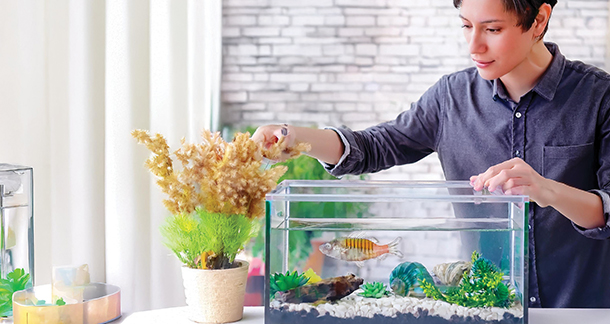
So, You Want Freshwater Aquarium Fish? Let’s Talk.
Alright, listen up. You're thinking about getting freshwater aquarium fish? Good choice. They're beautiful, calming, and a whole lot less demanding than a dog... most of the time. But don't be fooled. Fish care is mission-critical. It’s not as simple as tossing them in a bowl and hoping for the best. Seen that too many times in the exam room, trust me.
The Non-Negotiable Basics
First things first: the tank. Size matters. A tiny bowl is a death sentence for most fish. Think bigger. Think community. A larger tank provides more stable water parameters and room for your fish to swim and thrive.
- Tank Size: Minimum 10 gallons for small fish, much larger for community tanks.
- Filtration: A good filter is non-negotiable. It removes waste and keeps the water clean.
- Water Chemistry: Get a water testing kit. Ammonia, nitrite, and nitrate levels need to be monitored.
Next, the water itself. Tap water? Nope. It contains chlorine and chloramine, which are toxic to fish. Use a water conditioner to neutralize these chemicals. And remember, regular water changes are crucial. Don't skip them.
Choosing Your Finny Friends
Not all fish play nice together. Do your homework. Research compatibility. Some fish are bullies. Some are fin-nippers. Some need specific water conditions. A peaceful community is the goal. No aquatic turf wars, please.
- Community Fish: Tetras, guppies, corydoras catfish.
- Semi-Aggressive Fish: Barbs, some cichlids (choose carefully).
- Avoid: Mixing aggressive species with peaceful ones. Common sense, right?
Consider their needs. Some fish prefer warmer water. Some need plants to hide in. Replicate their natural environment as closely as possible. They will thank you for it.
Feeding Time: More Than Just Flakes
Flake food is okay as a base, but it's not the whole story. Variety is key. Offer frozen foods, live foods (if you're brave), and algae wafers for bottom feeders. And don't overfeed! Overfeeding is a major cause of water quality problems. A pinch a day keeps the vet away… or something like that.
- Variety: Flakes, frozen foods (bloodworms, brine shrimp), live foods (daphnia).
- Feeding Schedule: Once or twice a day.
- Portion Control: Only feed what they can eat in a few minutes.
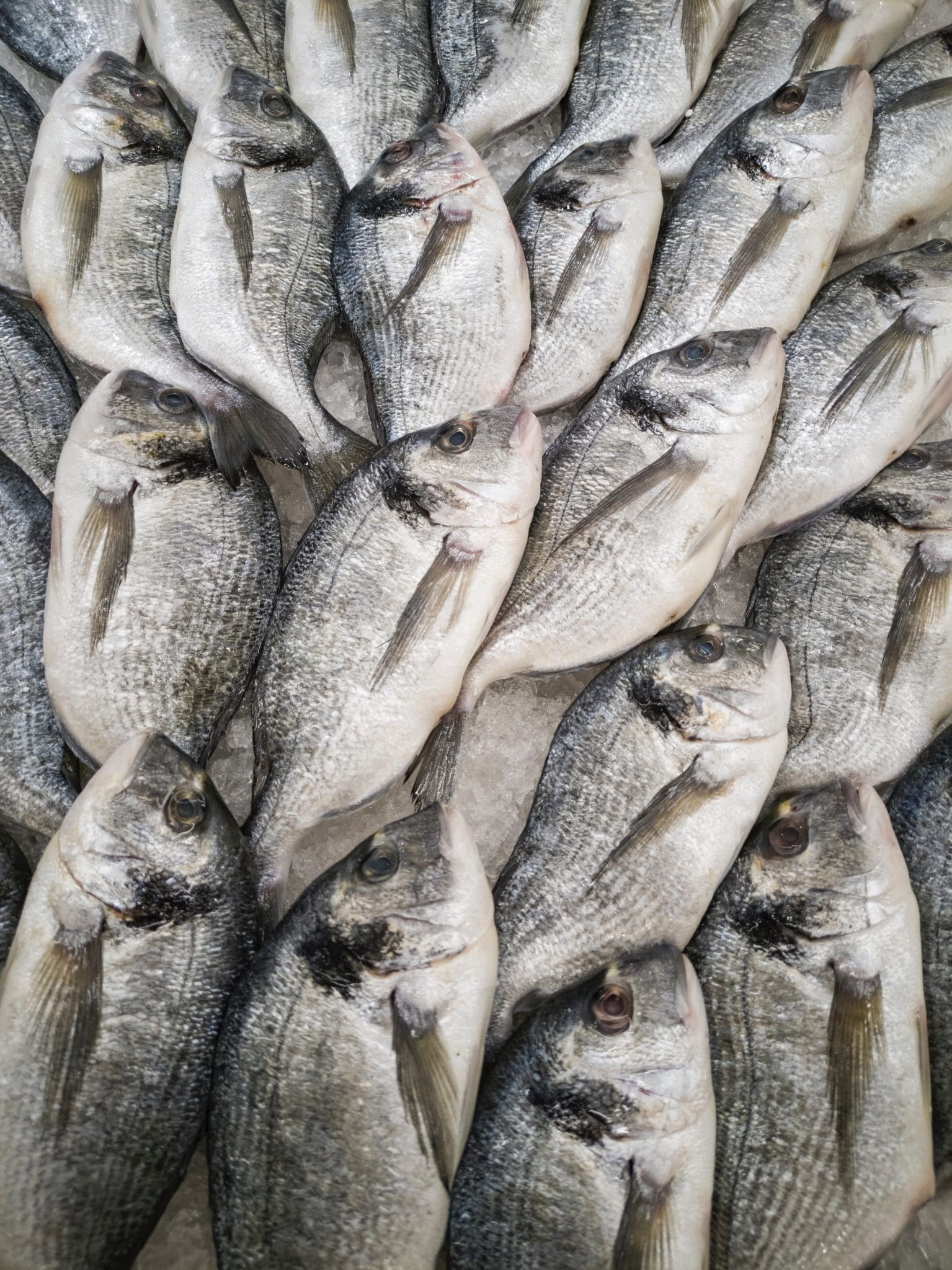
Spotting Trouble: Fishy Symptoms
Watch your fish. Observe their behavior. Are they swimming normally? Are they eating? Are their fins clamped? Early detection is key to successful treatment. I can’t stress this enough.
- Common Signs of Illness: Clamped fins, lethargy, loss of appetite, white spots (ich), cloudy eyes.
- Quarantine Tank: Always quarantine new fish before introducing them to the main tank.
- Consult a Vet: If you're unsure, consult a veterinarian experienced with fish.
Sometimes, you’ll see erratic swimming. We call that ataxia. Other times, you might see them gasping at the surface. These aren’t good signs. Act fast.
The Expert's Corner: Vet’s Perspective
Here's a pro-tip from someone who's seen it all: Don't overcrowd your tank. Overcrowding leads to stress, disease, and poor water quality. It's a cascade of problems. Think of it like this: would you want to live in a tiny, cramped apartment with too many roommates? Neither do your fish.
Another thing: research common fish diseases and keep medication on hand. Things like ich (white spot disease) are easily treated if caught early. But if you wait too long, it can be fatal. Quick action can save lives. Remember that. Also, don't be afraid to ask for help. Local fish stores and online forums can be valuable resources. And if you see something seriously wrong, don’t hesitate to call a vet. Even if it seems minor, it’s always best to be safe.
One last thing that comes up often in the exam room: borborygmi – or, in layman’s terms, gut noises. Fish don’t typically have audible gut sounds, so any unusual behavior is a red flag. Keep an eye out, and don't hesitate to seek professional advice.