

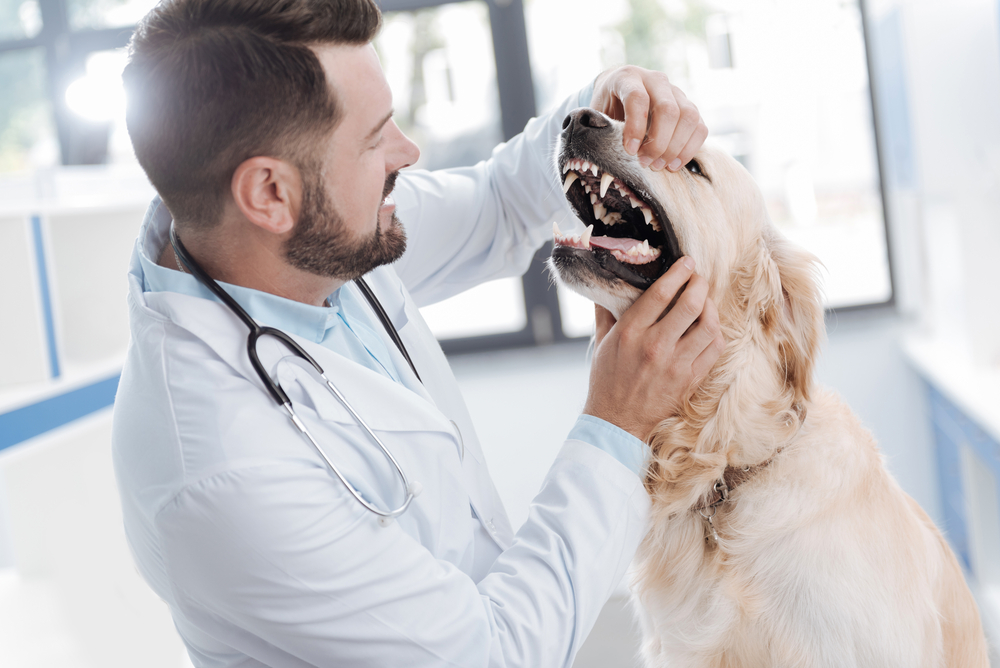
Why is My Dog Missing Teeth? 5 Vet-Approved Reasons & Home-Care
Here's a truth bomb for you: doggy breath isn't just a funny quirk; it's often a sign of serious dental issues lurking beneath the surface. Many owners think a little bad breath is normal. Actually, it can signal advanced periodontal disease, which leads to tooth loss. Don't ignore the stink!
Has your dog lost a tooth? It could be from puppy teething, an accident, chewing on something too hard, periodontal disease, or because the tooth never erupted. A vet visit is crucial to determine the cause and prevent further complications. Quick action protects your dog’s health and happiness.
Here's the deal, folks: We need to get to the bottom of this. Let’s explore why your dog might be sporting a gap-toothed grin and, more importantly, what you can do about it.
Why is My Dog Missing Teeth? 5 Root Causes
The most common reasons for a dog missing teeth range from normal puppy development to serious underlying health issues. Understanding the potential causes is the first step in addressing the problem and ensuring your dog receives appropriate care. Ignoring the issue can lead to chronic pain and systemic infections.
1. Puppy Teething: Why is My Puppy Losing Teeth?
The only normal reason for tooth loss is during puppyhood as part of the natural teething process. Puppies have deciduous teeth (also called puppy teeth) that erupt around 3 weeks of age. These teeth are then replaced by permanent adult teeth starting around 12 weeks. It is normal for puppies to swallow these teeth.
The Clinical Perspective: This is all about biological programming. As puppies grow, specialized cells called osteoclasts resorb the roots of the deciduous teeth. Simultaneously, the developing permanent teeth exert pressure, accelerating the process. Think of it as a perfectly timed demolition and construction project happening in your pup’s mouth. This is driven by complex signaling pathways involving growth factors and hormones.
2. Accident or Physical Trauma: What if My Dog Knocked Out a Tooth?
Trauma to the mouth can cause teeth to fracture or be completely knocked out. This can happen from falls, car accidents, or even rough play. If a tooth is lost due to trauma, veterinary attention is essential to assess the damage and prevent infection. I've seen some nasty jaw fractures from seemingly minor falls.
The Clinical Perspective: Blunt force trauma can disrupt the periodontal ligament, which anchors the tooth to the alveolar bone. The impact can also fracture the tooth root or the jaw itself. Furthermore, trauma can lead to inflammation and potential infection, as the oral cavity is teeming with bacteria. This is why prompt veterinary intervention, including pain management and antibiotics, is mission-critical.
3. Hard Chew Toys: Can Chew Toys Damage My Dog's Teeth?
Chewing on excessively hard toys or objects can lead to tooth fractures and eventual tooth loss. The force exerted while chewing can exceed the tooth's structural integrity. Opt for softer, more pliable chew toys to minimize the risk of dental damage. I tell my clients that if you can't dent it with your thumbnail, it's too hard for your dog.
The Clinical Perspective: The enamel, dentin, and cementum—the layers that make up a tooth—have a breaking point. Repeated micro-trauma from hard chew toys can cause enamel micro-fractures that expand over time. This exposes the more sensitive dentin, leading to pain and further damage. Some toys are so hard they can actually increase the risk of slab fractures, especially in the upper fourth premolar.
4. Periodontal Disease: Why is My Dog's Breath So Bad and Teeth Falling Out?
Periodontal disease is a progressive inflammatory condition affecting the supporting structures of the teeth. It starts with gingivitis (inflammation of the gums) and can progress to involve bone loss and tooth loss. Symptoms include bad breath, red and swollen gums, tartar buildup, and bleeding gums. Honestly, it's the number one reason I see dogs losing teeth in the exam room.
The Clinical Perspective: Periodontal disease begins with bacterial plaque accumulating on the tooth surface. Over time, this plaque mineralizes into tartar (calculus), creating a rough surface for more bacteria to adhere to. The bacteria trigger an inflammatory response, leading to the destruction of the periodontal ligament and alveolar bone. This process is mediated by inflammatory cytokines and enzymes like collagenase, which break down the supporting tissues. Genetic factors, breed predispositions, and even the dog's immune response all play a role in the severity of the disease.
5. Unerupted Teeth: Why Didn't All My Dog's Teeth Come In?
Sometimes, a tooth may fail to erupt properly through the gum line. This can be due to genetic factors, physical obstructions, or developmental abnormalities. Unerupted teeth can lead to the formation of cysts or impactions, potentially causing damage to adjacent teeth and bone. Here's the deal: these hidden teeth aren't just missing; they can cause real problems.
The Clinical Perspective: When a tooth fails to erupt, the dental follicle (the tissue surrounding the developing tooth) can undergo cystic degeneration, forming a dentigerous cyst. This cyst can expand and erode the surrounding bone, potentially weakening the jaw or displacing adjacent teeth. Additionally, unerupted teeth can sometimes become infected, leading to pain and inflammation. Radiographs (X-rays) are mission-critical for diagnosing unerupted teeth and assessing the extent of any associated pathology.
What to Do If Your Dog Loses a Tooth
If you find a missing tooth, or even suspect one is missing, consult your veterinarian ASAP. They can examine the mouth, determine the underlying cause, and recommend appropriate treatment. This may involve dental cleaning, extractions, antibiotics, or pain management. Don't wait; early intervention can save your dog a lot of pain and prevent further complications.
Home-Care Hacks for Dog Dental Health
- Regular Brushing: Brush your dog’s teeth daily with a pet-specific toothpaste. Human toothpaste contains ingredients that can be harmful to dogs.
- Dental Chews: Offer dental chews designed to help reduce plaque and tartar buildup. Look for Veterinary Oral Health Council (VOHC) approved products.
- Dental Diets: Certain dry food diets are formulated to promote dental health through mechanical abrasion as the dog chews.
- Water Additives: Some water additives contain enzymes that help to reduce plaque and tartar.
The Red Flag Checklist: When to Panic
- Sudden tooth loss accompanied by bleeding or swelling.
- Noticeable pain or difficulty eating.
- Excessive drooling or pawing at the mouth.
- Foul odor emanating from the mouth.
- Changes in behavior, such as lethargy or irritability.
Conclusion
Tooth loss in dogs isn't always a simple issue, and it's rarely something to ignore. From puppy teething to periodontal disease, several factors can contribute to a gappy smile. By understanding the potential causes and taking proactive steps to maintain your dog's dental health, you can help ensure a happy, healthy mouth for years to come. And remember, when in doubt, consult your veterinarian – they're your best resource for personalized advice and treatment.