

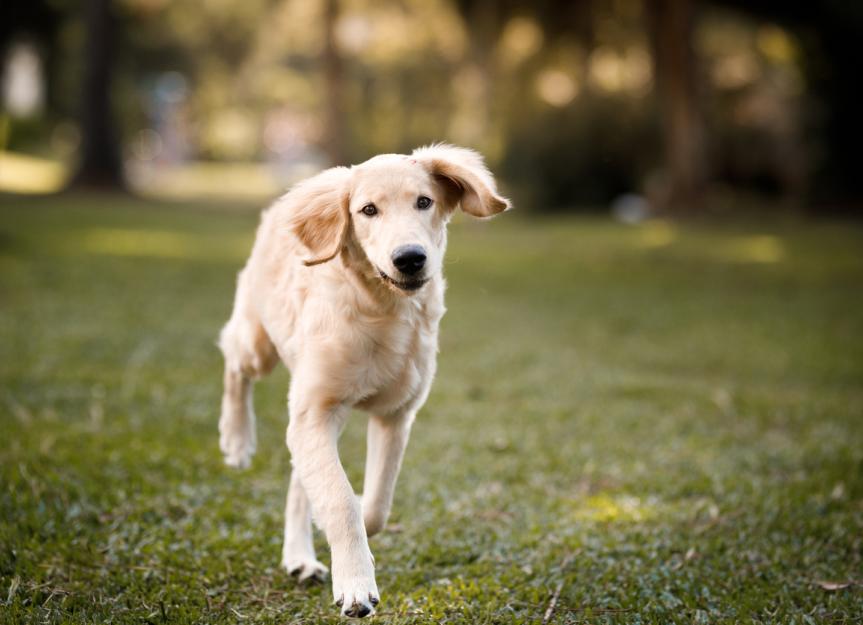
Raising a Confident Pup: Your Guide to 6-12 Month Puppy Care & Training
Here’s a fact that hits hard in the exam room: many owners mistakenly believe puppy vaccines guarantee lifelong immunity. Actually, maternal antibodies wane, leaving pups vulnerable. Understanding this window is mission-critical.
For Busy Owners: Between 6-12 months, your puppy hits adolescence. Continue training with positive reinforcement and monitor for concerning behaviors like excessive anxiety. Stick to a high-quality puppy food, but consult your vet about transitioning to adult food around 10-12 months.
Why is My Puppy Suddenly Disobedient (Again)? Understanding Puppy Development at 6-12 Months
During the 6-12 month phase, puppies are essentially teenagers. They're ready to explore and, ideally, fully vaccinated. Expect to reinforce training, as their focus can wane. This is due to rapid neurological development and hormonal shifts affecting neurotransmitter function.
The Clinical Perspective: Think of it like this: their brains are rewiring. Synaptic pruning is occurring, where unused neural connections are eliminated to improve efficiency. This process can temporarily disrupt previously learned behaviors. Also, sex hormones surge, influencing behavior in ways that can seem…well, rebellious. Mounting behavior, for instance, is often linked to increased testosterone or estrogen levels.
How to Address Concerning Puppy Behavior: Is it Just a Phase?
Before 6 months, your puppy likely grasped basic commands. Now, concerning behaviors might surface. Get professional help from a veterinary behaviorist or certified trainer. These behaviors include avoidance, lunging (with raised hackles – piloerection, we vets call it), excessive mouthing, anxiety (manifesting as focus issues), and excessive vocalization.
The Clinical Perspective: Let's talk about the biology. Avoidance and anxiety often stem from an underdeveloped or overactive amygdala, the brain's fear center. Early experiences shape the amygdala's response to stimuli. Lunging and aggression, especially with piloerection, indicate a surge in adrenaline and noradrenaline, preparing the body for a fight-or-flight response. This could be triggered by perceived threats or territoriality.
Home-Care Hacks:
- Create a Safe Space: A crate or quiet room where your puppy can retreat when overwhelmed.
- Desensitization: Gradually expose your puppy to feared stimuli in a controlled, positive manner. Use high-value treats.
- Consistent Routine: Predictable feeding, walks, and playtime reduce anxiety.
What's the Best Puppy Nutrition Plan? When to Switch to Adult Food?
Your puppy should still eat a high-quality puppy food approved by AAFCO. Around 10-12 months, discuss transitioning to adult food with your vet. A gradual transition (3-4 weeks) minimizes GI upset. Sudden changes can disrupt the gut microbiome, leading to diarrhea or vomiting. Honestly, I’ve seen it happen too many times in the exam room.
The Clinical Perspective: Puppy food is formulated with higher levels of protein, calcium, and phosphorus to support rapid growth. Switching too early can lead to developmental problems, especially in large breeds. Excess calcium, for instance, can disrupt bone formation and increase the risk of hip dysplasia. Gradually reducing these nutrients allows the body to adjust.
Home-Care Hacks:
- Mix it Up: Start by replacing a small amount of puppy food with adult food, gradually increasing the proportion over several weeks.
- Monitor Stool: Watch for changes in consistency or frequency. Soft stool indicates the transition is too fast.
- Probiotics: Consider adding a probiotic supplement to support gut health during the transition.
Reinforcing Puppy Training: How to Deal With Stubbornness?
Reinforce existing skills and expand on training commands. Positive reinforcement is key. If a command hasn't been used, your puppy might forget it. Synaptic connections weaken without use, leading to memory decay. It's like forgetting a language you haven't spoken in years.
The Clinical Perspective: Positive reinforcement works by releasing dopamine in the brain, creating a positive association with the desired behavior. This strengthens neural pathways, making the behavior more likely to be repeated. Punishment, on the other hand, can increase anxiety and fear, hindering learning.
Home-Care Hacks:
- Short, Frequent Sessions: Keep training sessions short (5-10 minutes) and frequent (several times a day) to maintain focus.
- High-Value Rewards: Use treats or toys that your puppy loves to motivate them.
- Consistency: Use the same commands and hand signals consistently to avoid confusion.
Protecting Your Puppy's Health: What Vaccinations are Still Needed?
At this age, puppies lack full maternal immune support. Unvaccinated puppies are vulnerable to kennel cough, distemper, parvovirus, leptospirosis, and influenza. Ensure your puppy is fully vaccinated. Core vaccines stimulate the immune system to produce antibodies against specific pathogens. These antibodies provide protection against future infections.
The Clinical Perspective: Maternal antibodies interfere with vaccine effectiveness. That's why puppies need a series of vaccinations. Each vaccine triggers an immune response, building immunity over time. Booster shots are needed to maintain protective antibody levels.
Red Flag Checklist: When to Worry & Seek Vet Care
- Lethargy: Significant decrease in energy level.
- Loss of Appetite: Refusal to eat for more than 24 hours.
- Vomiting or Diarrhea: Especially if it contains blood.
- Coughing or Sneezing: Could indicate kennel cough or other respiratory infection.
- Seizures: Any seizure activity warrants immediate veterinary attention.