

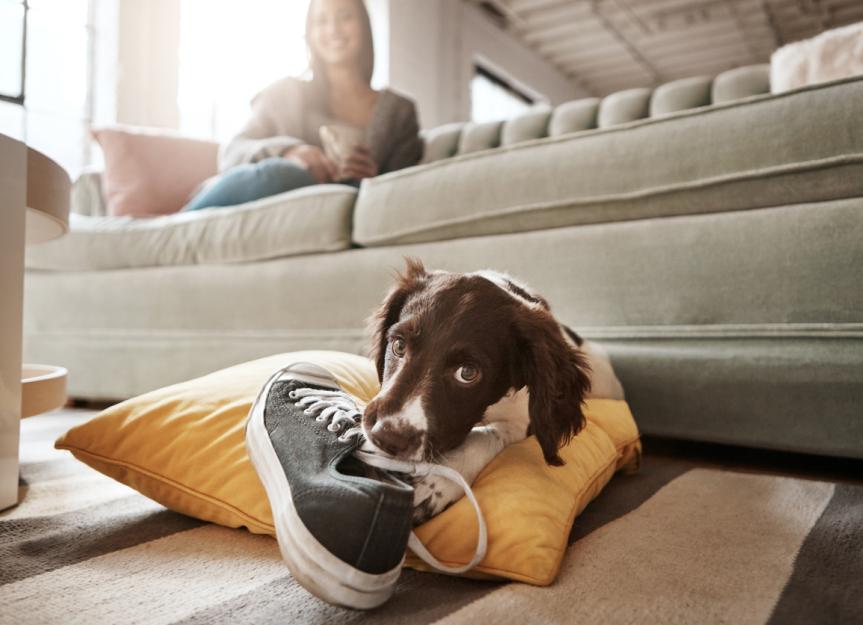
Is Your Puppy a Chomping Champion? How to Stop Destructive Chewing (Vet-Approved)
Here's a fact that nips a common misconception in the bud: puppies aren't actually trying to destroy your belongings out of spite. That shoe? That table leg? It's all about exploration and, honestly, a bit of biological necessity. Think of it as their version of texting their friends... except with their teeth. So, before you resign yourself to a life of shredded possessions, let's get practical.
For Busy Owners: Puppy chewing is normal, often due to teething or exploration. Puppy-proof your home, provide appropriate chew toys, and redirect unwanted chewing with positive reinforcement. Never punish your puppy for chewing; instead, manage their environment and offer alternatives.
Why Is My Puppy Chewing Everything All of a Sudden?
Puppies chew for a few key reasons, and understanding these is mission-critical to curbing the behavior. Teething, exploration, and play are the usual suspects. Honestly, it's rarely about malice or a personal vendetta against your favorite pair of loafers. It's biology, plain and simple.
1. Teething: The Biological Imperative Behind Your Puppy's Chewing
Between 12 weeks and 6 months, puppies experience the discomfort of teething as they transition from 28 puppy teeth to 42 permanent ones. This process causes inflammation and irritation in their gums, prompting them to chew as a way to alleviate the discomfort through counter-stimulation. This is also the period when osteoblasts are highly active, remodeling the jawbone to accommodate the larger adult teeth.
2. Natural Curiosity and Exploration: Why Your Puppy Uses Their Mouth First
Puppies explore the world primarily through their mouths due to a lack of fully developed manipulative appendages like hands. Chewing allows them to gather information about the taste, texture, weight, and consistency of objects. This exploratory behavior is driven by their innate curiosity and the need to understand their environment. Think of it as oral stereognosis, similar to how humans use their hands to identify objects by touch.
3. Play Behavior: Is Your Puppy Chewing Out of Boredom?
Chewing can evolve into a form of play if a puppy finds the object enjoyable to interact with. This behavior serves as a means of entertainment and physical activity. The act of chewing releases endorphins, providing a sense of pleasure and reinforcing the behavior. This is often exacerbated in puppies with high energy levels or those lacking sufficient mental stimulation, leading them to seek out their own forms of amusement, often to our dismay.
How to Stop Puppy Chewing: A Step-by-Step Guide to Protecting Your Home
Chewing is a natural behavior, but that doesn't mean you have to sacrifice your belongings. The key is to redirect this behavior appropriately. Actually, it's about setting boundaries and providing acceptable outlets for their chewing instincts. Think of it as re-channeling their inner beaver.
1. Puppy-Proofing Your Home: Creating a Safe Zone for Your Sanity
Puppy-proofing involves creating a safe environment where your puppy can explore without accessing dangerous or valuable items. This typically involves designating a dog-safe area equipped with comfortable bedding, a crate, a water bowl, and a variety of toys. When unsupervised, the puppy should be confined to this area to prevent access to potentially harmful objects.
Home-Care Hack: Use cord protectors to shield electrical wires, secure loose rugs to prevent tripping, and store cleaning supplies and medications out of reach. Consider using baby gates to restrict access to certain areas of the house. Remember, prevention is always better (and cheaper) than a vet visit for toxicity.
2. Choosing the Right Dog Toys: What Toys Are Safe for Puppies to Chew On?
Providing a variety of safe and appropriate chew toys is mission-critical. Choose toys that are the right size and consistency for your puppy, offering a range of colors and textures to maintain their interest. Rotate the toys regularly to prevent boredom and keep them engaged. Supervision is also non-negotiable, especially with new toys, to ensure they aren't breaking off pieces and swallowing them.
Clinical Perspective: Avoid toys that are too hard, as they can damage developing teeth. Opt for softer rubber or fabric toys that provide a satisfying chewing experience without posing a risk of dental injury. Always supervise your puppy during playtime to prevent ingestion of small parts or potential choking hazards. What I tell my clients is, if you can’t indent it with your thumbnail, it’s too hard.
3. Interrupt and Divert: How to Stop a Puppy From Chewing Furniture
When you catch your puppy chewing on an inappropriate item, interrupt the behavior with a verbal cue (e.g., "No") and immediately redirect their attention to an appropriate chew toy. Engage them in play with the toy to reinforce the desired behavior. Consistency is key to helping your puppy learn what is acceptable to chew on.
Red Flag Checklist: If your puppy becomes aggressive or possessive when you try to take away an object, consult with a professional dog trainer or behaviorist. This could indicate resource guarding, which requires specialized intervention. And, of course, if you suspect your puppy has ingested something toxic, rush them to the nearest ER vet.
4. Keeping Them Occupied: Preventing Boredom Chewing in Puppies
Providing ample mental and physical enrichment is mission-critical for preventing boredom-related chewing. Engage your puppy in regular play sessions, provide puzzle toys, and offer opportunities for exploration and socialization. A tired puppy is far less likely to seek out destructive chewing behaviors.
Clinical Perspective: Boredom can lead to a cascade of behavioral issues, including destructive chewing, excessive barking, and anxiety. Ensure your puppy receives adequate exercise, mental stimulation, and social interaction to promote their overall well-being. I have clients who think a quick potty break in the yard is "exercise." It isn't.
5. Using Aversives Safely: Can Bitter Apple Spray Stop Puppy Chewing?
Aversives can be used to deter puppies from chewing on specific objects or areas. Common aversives include bitter apple spray, sticky tape, or motion-activated deterrents. These tools create a negative association with the targeted object or area, discouraging the puppy from chewing on it.
Home-Care Hack: Before applying an aversive to a large surface, test it on a small, inconspicuous area to ensure it doesn't cause damage or discoloration. Reapply the aversive regularly, as its effectiveness can diminish over time. But honestly, I don’t use these much.
6. Never Use Punishment: Why Punishment Makes Puppy Chewing Worse
Punishment-based training methods are counterproductive and can damage the human-animal bond. Yelling at or physically punishing your puppy for chewing can create fear and anxiety, leading to a range of behavioral problems. Instead, focus on positive reinforcement and redirection to encourage desired behaviors.
Clinical Perspective: Punishment can suppress the symptom (chewing) without addressing the underlying cause (e.g., anxiety, boredom). This can lead to the manifestation of other unwanted behaviors or the development of psychological issues. Always prioritize positive reinforcement and humane training methods. Honestly, I see more owners screw this up than get it right.