

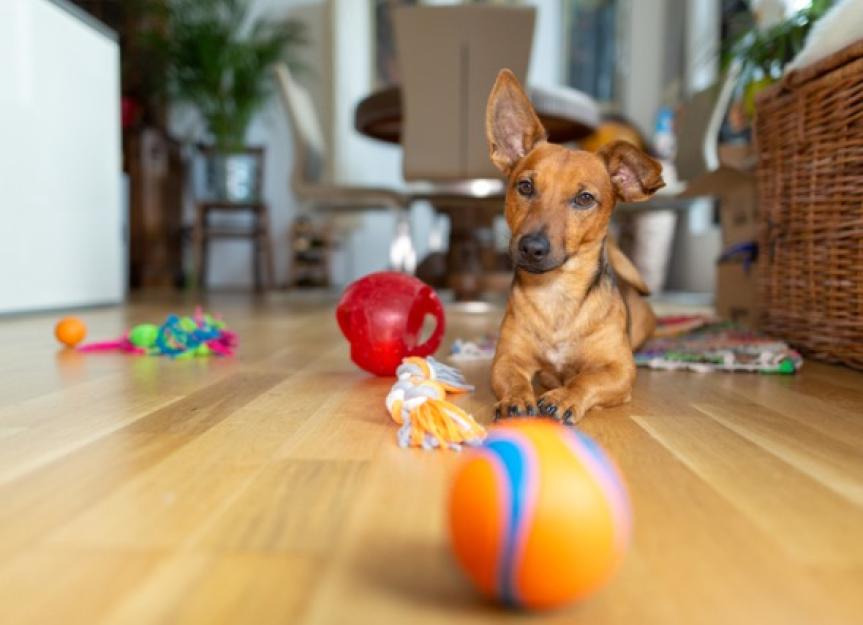
The Only Puppy Teething Toy Guide You'll Ever Need
Here's a truth bomb they don't tell you at the puppy store: those adorable needle-sharp puppy teeth? They're instruments of mass destruction aimed squarely at your favorite possessions. But before you resign yourself to a life of chewed furniture, understand that appropriate chew toys are not optional; they're a non-negotiable lifeline. Choosing the right toys alleviates teething pain and redirects destructive chewing.
For Busy Owners: Teething toys are essential for puppies between 12-24 weeks old to ease discomfort as baby teeth fall out and adult teeth erupt. Select toys based on your puppy's age, size, and chewing habits. Prioritize durable, safe materials and consider toys that offer mental stimulation and comfort.
Why is My Puppy Suddenly Chewing Everything?
Puppies chew because, honestly, their mouths are killing them. Teething, the process of baby teeth erupting and then being replaced by adult teeth, is a painful inflammatory process. Think of it like this: as those new teeth push through the gums, they release inflammatory mediators locally. This ramps up blood flow and causes localized swelling. This is why appropriate chew toys are so mission-critical.
The Clinical Perspective (Biological ‘Why’)
The teething process kicks off around 4 weeks of age, but the real fun begins around 12 weeks and peaks between 16-24 weeks. During this period, the puppy's body is actively resorbing the roots of the deciduous (baby) teeth, which further stimulates the inflammatory cascade. Moreover, the erupting permanent teeth are larger and sharper, causing more intense pressure and discomfort.
It’s not just pain driving this behavior. Chewing also provides counter-pressure, which can temporarily alleviate discomfort. Think of it as a puppy's way of self-medicating with a mouth massage. From a veterinary standpoint, providing appropriate outlets for this natural behavior is far preferable to the alternative: chewed furniture, ingested foreign objects, and potentially expensive emergency surgeries. I can't tell you how many times I've seen intestinal blockages in the exam room simply because an owner didn't redirect destructive chewing.
Home-Care Hacks (Low-Cost, Practical Tips)
- Freeze things: Wet a rope toy or a washcloth and freeze it. The cold is your friend; it acts as a natural anesthetic.
- DIY options: Got an old t-shirt? Braid it tightly and knot it. Instant chew toy (just supervise to make sure they don't ingest the fabric).
- Rotate toys: Keep things interesting. If they have constant access to the same three toys, they'll get bored. Rotate them every few days.
The Red Flag Checklist (When to Panic vs. When to Wait)
- Excessive drooling: A little drool is normal, but excessive drooling could indicate a more serious problem like a foreign body stuck in their mouth.
- Bloody gums: A small amount of blood is normal during teething, but profuse bleeding warrants a vet visit.
- Refusal to eat: If they're in so much pain that they won't eat, something is wrong.
What are the Best Chew Toys for Puppies to Ease Discomfort?
The best chew toys for puppies are those specifically designed for teething. These toys are made from softer, more pliable materials that won't damage developing teeth. Look for toys with varied textures, such as raised nubs or ridges, that gently massage the gums. The goal is to provide a safe and satisfying chewing experience that alleviates discomfort and redirects destructive behavior.
Nylabone Teething Rings and Pacifiers
These are classics for a reason. The raised nubs provide gentle gum massage. Honestly, in my practice, I recommend these constantly. They're durable and designed to withstand moderate chewing. However, always supervise your puppy, especially with any chew toy, to ensure they aren't breaking off and swallowing large pieces.
KONG Puppy Toys
KONGs are fantastic because they can be filled with treats or frozen. The soft rubber is gentle on puppy teeth, and the act of working to get the treats provides mental stimulation. The cold sensation from a frozen KONG is particularly soothing. Pro-tip: smear a little peanut butter (xylitol-free, obviously) on the inside for extra appeal.
The Clinical Perspective (Material Safety)
When selecting puppy teething toys, material safety is non-negotiable. Avoid toys made with phthalates, BPA, or heavy metals. Look for toys labeled as non-toxic and specifically designed for puppies. Remember, puppies explore the world with their mouths, so anything they chew on needs to be safe for ingestion in small amounts.
How Do I Choose Toys Based on My Puppy's Chewing Style?
Puppies, just like people, have different personalities and chewing styles. Some are gentle nibblers, while others are aggressive destroyers. Understanding your puppy's chewing style is mission-critical for selecting safe and appropriate toys. You need to consider their breed, size, and activity levels. The wrong toy can lead to frustration, injury, or even a trip to the emergency vet.
Distraction Toys (For the Bored Puppy)
These are your treat-dispensing toys, your puzzle toys, anything that keeps their mind occupied while they chew. These are ideal for puppies who spend time alone or need a mental challenge. The Pet Zone® IQ Treat Dispenser, for example, forces them to work for their reward, keeping them engaged and preventing boredom-related chewing.
Action Toys (For the Energetic Puppy)
Fetch toys and rope toys fall into this category. These are great for burning off energy and satisfying the urge to chew simultaneously. However, supervise closely. Tennis balls, while fun, can be a hazard if they chew off and ingest the felt. Rope toys can unravel and cause intestinal blockages if ingested. Choose durable options and always supervise.
Comfort Toys (For the Anxious Puppy)
Soft plush toys are perfect for puppies who are anxious or need a snuggle buddy. These provide comfort and security. However, inspect them regularly for damage. Remove any loose parts, like squeakers or plastic eyes, that could be swallowed. Wash them frequently to prevent bacterial buildup.
The Clinical Perspective (Toy Rotation and Inspection)
Toy rotation is essential for keeping things interesting and preventing boredom. Keep a variety of toys on hand and rotate them every few days. This will keep your puppy engaged and less likely to turn to your furniture for entertainment. Regular toy inspection is equally mission-critical. Check for damage, loose parts, and wear and tear. Discard any toys that are damaged or pose a potential hazard.
What Toys Should I Absolutely Avoid Giving My Puppy?
Some toys are simply too dangerous for puppies. These include anything that is too hard, too small, or easily breakable. Antlers, bones, and hard nylon toys can fracture teeth. Small toys can be choking hazards. Toys with small parts, like squeakers or plastic eyes, can cause intestinal blockages if swallowed. When in doubt, err on the side of caution.
The Red Flag Checklist (Dangerous Toy Warning Signs)
- Hardness: If you can't make a dent in it with your fingernail, it's too hard.
- Small parts: Anything that can be easily chewed off and swallowed is a no-go.
- Sharp edges: Avoid toys with sharp edges or points that could injure your puppy's mouth.