

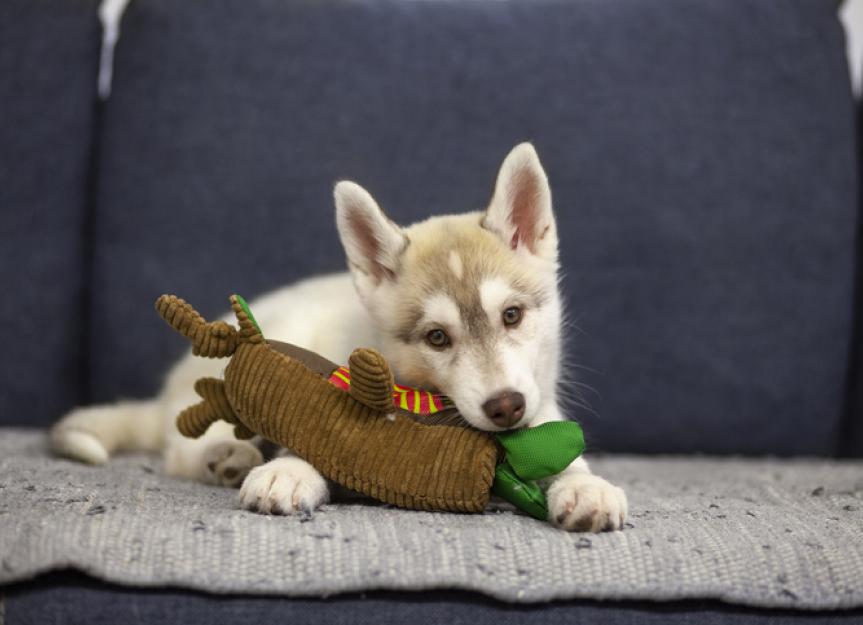
Surviving Puppy Teething: Expert Vet Tips for Soothing Sore Gums
Here's a curveball from the trenches: puppy teething isn't just about those adorable baby teeth falling out. It's when their adult chompers decide to crash the party. Think of it as a canine construction zone—noisy, messy, and sometimes downright painful for everyone involved.
For busy owners, puppy teething involves discomfort as adult teeth erupt. You can provide relief by offering appropriate chew toys and frozen treats. If mouthiness escalates or aggression appears, consult your veterinarian for guidance and behavioral advice.
When Do Puppies Start Teething, and How Long Does Teething Last?
Puppies are born without visible teeth, but the teething process begins around three weeks of age when their needle-sharp deciduous (baby) teeth emerge. By approximately eight weeks, a puppy sports a full set of 28 baby teeth. Teething concludes when all adult teeth are fully erupted, usually around six to seven months.
The teething timeline is linked to breed size. Larger breeds tend to experience earlier tooth eruption but may have a more prolonged teething phase. This is due to the complex interplay of growth hormones like IGF-1 (Insulin-like Growth Factor 1), which influences bone and tooth development. Faster growth rates in large breeds can accelerate the initial stages but also extend the overall process.
Why is My Teething Puppy Biting Me So Much? Understanding Teething Behavior
Increased chewing and nipping are common behaviors in teething puppies. As adult teeth push through the gums, the puppy experiences inflammation and discomfort. Chewing provides counter-pressure, which can temporarily alleviate the pain. Expect to see increased chewing on furniture, shoes, and unfortunately, your hands.
The biological mechanism at play here involves the trigeminal nerve, which transmits sensory information from the mouth and face to the brain. The eruption of teeth stimulates this nerve, leading to increased sensitivity and the urge to bite or chew. This behavior is also influenced by the release of endorphins during chewing, creating a temporary pain-relieving effect.
The Clinical Perspective (Biological 'Why')
In the exam room, I often see owners frustrated by their puppy's relentless chewing. What I tell my clients is that chewing is driven by the need to alleviate discomfort. The pressure of the erupting adult teeth causes inflammation and irritation of the gums. This inflammation triggers the release of inflammatory mediators like prostaglandins, which further sensitize the nerve endings in the gums. Chewing provides counter-pressure, which can temporarily reduce the sensation of pain.
Home-Care Hacks (Low-Cost, Practical Tips)
- Frozen Washcloths: Soak a clean washcloth in water, twist it into a rope-like shape, and freeze it. The cold provides soothing relief, and the texture is satisfying for chewing.
- DIY Frozen Treats: Blend plain yogurt with dog-friendly fruits like blueberries or bananas, and freeze in ice cube trays. These treats are not only tasty but also provide a cooling sensation for inflamed gums.
- Cardboard Box Destruction Zone: Designate a cardboard box filled with safe, chewable items like paper towel rolls or small cardboard toys. This redirects chewing behavior away from your valuable belongings.
The Red Flag Checklist (When to Panic vs. When to Wait)
- Excessive Bleeding: Minor bleeding during teething is normal, but profuse bleeding from the gums warrants a vet visit.
- Loss of Appetite: If your puppy refuses to eat due to oral pain, it's time to consult your veterinarian. They may recommend a soft food diet or pain medication.
- Retained Deciduous Teeth: If baby teeth are still present after the adult teeth have erupted, this can lead to malocclusion (misalignment of teeth) and requires veterinary intervention.
- Facial Swelling: Swelling around the jaw or face could indicate an infection or other underlying issue and necessitates immediate veterinary attention.
What are the Best Puppy Teething Toys to Buy?
Providing appropriate chew toys is mission-critical for managing a teething puppy's behavior and protecting your belongings. The ideal toys are durable, safe, and offer a variety of textures to satisfy the puppy's chewing urges. Rotating toys keeps your puppy engaged and prevents boredom.
The choice of toys plays a role in stimulating the periodontal ligament, which connects the tooth to the jawbone. Appropriate chewing can promote healthy development of this ligament, ensuring proper tooth alignment and stability. Conversely, inappropriate chewing on hard objects can damage the teeth and gums.
How Can Frozen Goodies Help Soothe Sore Gums?
Frozen treats and toys provide a dual benefit for teething puppies: they offer a soothing, numbing effect and provide a safe outlet for chewing. The cold temperature reduces inflammation and discomfort in the gums, while the chewing action provides counter-pressure to alleviate pain.
The mechanism here is related to the reduction of nerve conduction velocity at lower temperatures. When cold is applied to the gums, it slows down the transmission of pain signals to the brain, providing temporary relief. Furthermore, cold can reduce the release of inflammatory mediators, further minimizing discomfort.
Why is Soft-Mouth Training Mission-Critical During Teething?
Soft-mouth training teaches a puppy to control the force of their bite. This is especially mission-critical during teething when puppies are more inclined to nip and mouth due to discomfort. Consistent training helps the puppy learn that biting is unacceptable and encourages them to use their mouth gently.
This type of training influences the neural pathways in the brain, specifically those related to impulse control and bite inhibition. By consistently reinforcing gentle behavior and discouraging biting, you are strengthening these pathways and helping the puppy develop a softer mouth.