

Dog Missing Teeth? 5 Vet-Verified Reasons & Home-Care
Here's a counter-intuitive fact I tell clients in the exam room all the time: A missing tooth isn't always a dental disaster. Sometimes, it's a normal part of puppyhood. But if your adult dog is losing teeth, you need to know why, and fast.
For Busy Owners: Adult dogs have 42 teeth, and losing any of them is cause for concern. Common causes range from trauma to periodontal disease. A vet visit is crucial to determine the underlying issue and prevent further complications.
Why Is My Dog Missing Teeth All of a Sudden?
The sudden appearance of gaps in your dog's smile can be alarming. Tooth loss in adult dogs is rarely normal and often indicates an underlying issue that needs immediate veterinary attention. The causes can range from preventable problems to more serious systemic diseases.
The 5 Reasons a Dog Is Missing Their Teeth
1. Teething During Puppyhood: What's Normal?
Losing baby teeth is a normal part of puppy development. As puppies grow, their deciduous teeth (also known as puppy teeth) begin to erupt around 3 weeks of age. These teeth are then replaced by permanent adult teeth, starting around 12 weeks and usually completed by 6-7 months. During this process, the roots of the baby teeth resorb, leading to them falling out naturally.
The Clinical Perspective: This resorption is mediated by specialized cells called osteoclasts, which break down the dental tissue. Sometimes, a deciduous tooth doesn't fall out, leading to a "double row" of teeth. This requires veterinary intervention to prevent malocclusion (misalignment of teeth) and potential periodontal issues later in life.
2. Accident or Physical Trauma: What if my dog had a dental accident?
Trauma to the mouth can cause teeth to fracture or be completely knocked out. Car accidents, falls, or even rough play can result in significant dental damage. If a tooth is avulsed (knocked out), prompt veterinary attention is crucial. The longer the tooth is out of the socket, the lower the chance of successful reimplantation.
The Clinical Perspective: When a tooth is traumatized, the blood supply to the pulp (the inner part of the tooth containing nerves and blood vessels) can be disrupted, leading to tooth death and potential abscess formation. Furthermore, trauma can cause jaw fractures, which require stabilization and pain management.
Red Flag Checklist: Look for swelling, bleeding, reluctance to eat, or pain when the mouth is touched. These all warrant an immediate vet visit.
3. Hard Chew Toys: What dog toys are safe for their teeth?
While chewing is a natural and beneficial behavior for dogs, providing inappropriate chew toys can lead to fractured teeth. Hard plastic, nylon, or bone chews can exert excessive force on the teeth, leading to cracks and fractures. Softer, more pliable chew toys are generally safer options.
Home-Care Hacks: The "thumbnail test" is what I tell my clients: If you can't make an indent in the chew toy with your thumbnail, it's too hard for your dog's teeth. Opt for rubber or nylon toys specifically designed for chewing, and always supervise your dog during chew sessions.
4. Periodontal Disease: Why is dental disease causing tooth loss?
Periodontal disease is one of the most common causes of tooth loss in adult dogs. It starts with gingivitis (inflammation of the gums) caused by plaque and tartar buildup. If left untreated, the inflammation progresses to affect the deeper structures supporting the teeth, including the periodontal ligament and alveolar bone. This leads to bone loss, gum recession, and eventually, tooth loss.
The Clinical Perspective: The inflammatory process in periodontal disease is driven by bacteria in the plaque. These bacteria release toxins that stimulate the immune system, leading to a chronic inflammatory response. This chronic inflammation not only damages the tissues surrounding the teeth but can also contribute to systemic inflammation, potentially affecting organs like the heart and kidneys.
Home-Care Hacks: Daily tooth brushing with a dog-specific toothpaste is mission-critical. Regular professional dental cleanings under anesthesia are also essential to remove tartar buildup and assess the health of the teeth and gums.
5. They Never Erupted: Why are some teeth impacted?
Sometimes, a tooth may fail to erupt properly through the gum line. This is known as an impacted tooth. Impacted teeth can occur due to genetic factors, overcrowding, or physical obstruction. They can lead to the formation of dentigerous cysts, which are fluid-filled sacs that develop around the crown of the unerupted tooth. These cysts can damage the surrounding bone and teeth.
The Clinical Perspective: Honestly, what happens is that the pressure from the cyst can cause bone resorption and weaken the jaw. Impacted teeth are often diagnosed with dental radiographs (X-rays). Treatment usually involves surgical extraction of the impacted tooth and removal of the cyst.
What to Do if Your Dog Loses a Tooth
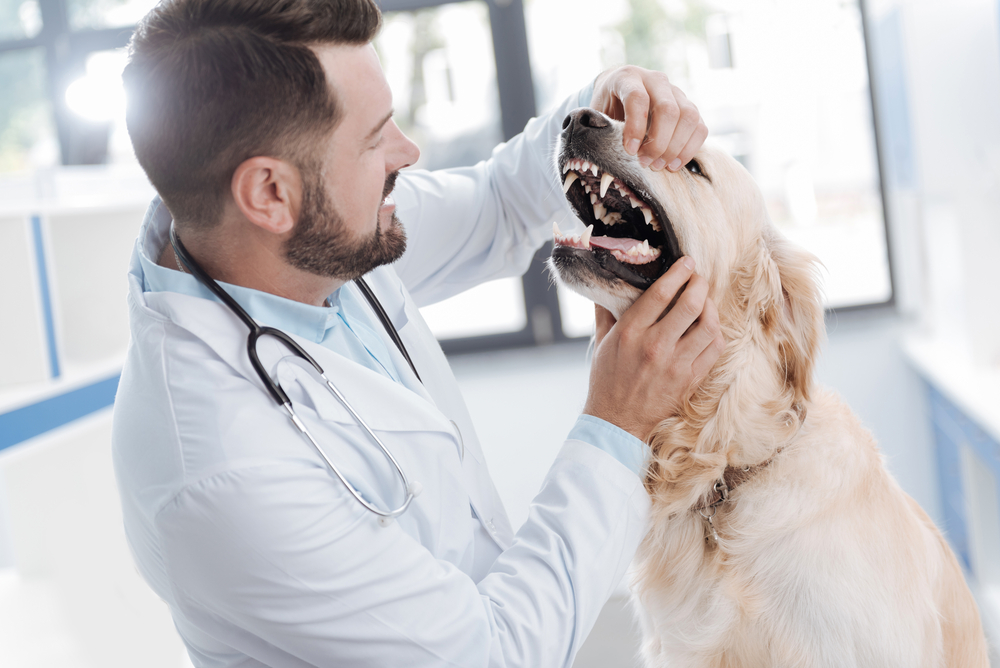
If you find a missing tooth, or notice blood, swelling, or reluctance to eat, schedule a vet appointment ASAP. Your vet will perform a thorough oral exam to determine the cause of the tooth loss and assess the health of the remaining teeth. Radiographs may be necessary to evaluate the bone structure and identify any underlying problems.
Home-Care Hacks: While waiting for the vet appointment, offer your dog soft food to minimize discomfort. Avoid giving hard chew toys or treats that could further irritate the gums. Keep the area clean by gently rinsing the mouth with a diluted chlorhexidine solution (prescribed by your vet).
Conclusion
Tooth loss in dogs is not something to ignore. Early detection and treatment of dental problems can prevent further tooth loss and improve your dog's overall health and well-being. Prioritize regular dental checkups and home dental care to keep your dog smiling bright for years to come.