

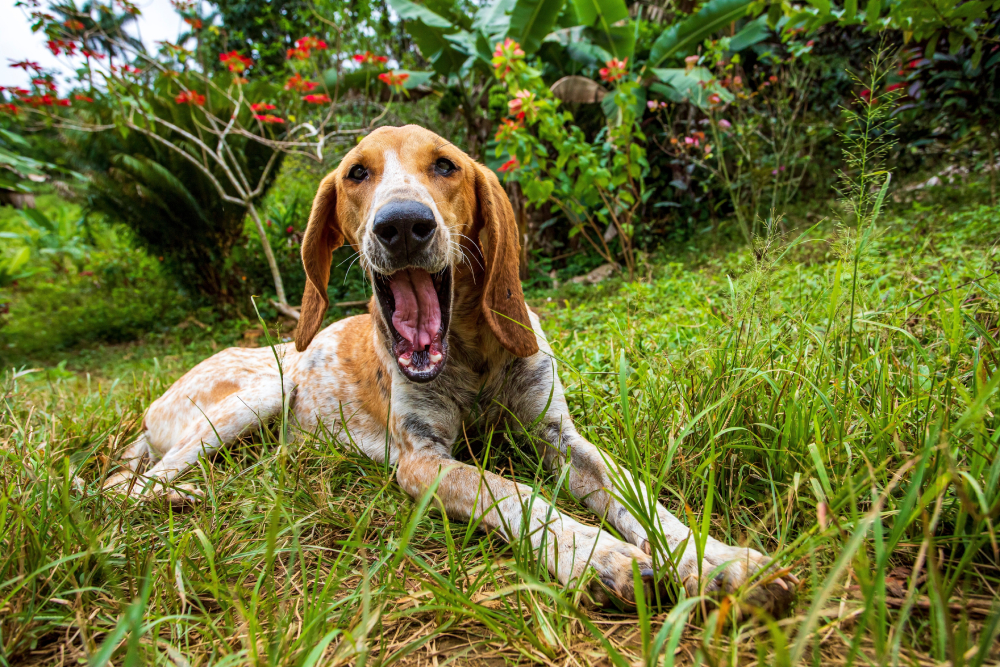
Dog's Mouth Quivering? 6 Vet-Sourced Causes & Home-Care
Here's a weird fact I tell clients in the exam room: that adorable 'chattering' your dog does for treats? It can actually indicate early dental disease. See, we often misinterpret these little signs. A quivering mouth in dogs isn't always normal and often signals an underlying issue that needs your attention.
Busy Owner Summary: Mouth quivering can be due to something minor like cold or anxiety. However, it can also signal dental issues, TMJ pain, neurological problems, or gastrointestinal upset. If the quivering persists or is accompanied by other symptoms, a vet visit is crucial for diagnosis and treatment.
Why is My Dog's Mouth Quivering? 6 Common Causes
Mouth quivering in dogs, characterized by rapid, involuntary movements of the lips or jaw, can stem from various factors. It might be a benign reaction to cold or excitement. However, persistent or severe quivering warrants veterinary attention to rule out underlying medical conditions. Early diagnosis is mission-critical.
1. Dog Shivering and Teeth Chattering from Cold Exposure
Just like us, dogs shiver when cold. This shivering, which can manifest as teeth chattering, is a physiological response to generate heat. Muscle contractions increase metabolic rate, raising body temperature. Small breeds and those with thin coats are more susceptible. The hypothalamus, acting as the body’s thermostat, triggers these responses.
The Clinical Perspective: When a dog's body temperature drops, peripheral vasoconstriction occurs. This reduces blood flow to the extremities, preserving core temperature. The shivering you observe is involuntary muscle contractions, a desperate attempt to create thermogenesis.
Home-Care Hacks: Provide a warm bed, dog-safe heating pad, or sweater. Limit outdoor exposure during cold snaps. A simple fleece can make a world of difference. Honestly, I see so many preventable cases of hypothermia simply because owners underestimate the cold’s impact on their pets.
Red Flag Checklist: Persistent shivering despite warming efforts, lethargy, pale gums, or unresponsiveness necessitates immediate veterinary care. These could indicate hypothermia.
2. Dental Problems and Dog Mouth Quivering
Dental disease is a frequent culprit behind mouth quivering. Pain from a dental abscess, fractured tooth, or severe gingivitis can cause a dog to chatter its teeth or quiver its mouth. Drooling and bad breath often accompany this. Imagine having a throbbing toothache; your dog feels that, too.
The Clinical Perspective: Dental pain stimulates trigeminal nerve branches, leading to muscle spasms in the jaw and face. The inflammatory mediators released during dental disease (prostaglandins, cytokines) amplify pain signals, creating a feedback loop. Periodontal disease leads to bone loss and systemic inflammation.
Home-Care Hacks: Regular tooth brushing with dog-specific toothpaste is non-negotiable. Dental chews and water additives can also help. But honestly, nothing beats a professional dental cleaning under anesthesia by your vet. That’s where you get the real tartar removal.
Red Flag Checklist: Reluctance to eat, pawing at the mouth, bleeding gums, or facial swelling are urgent signs. Advanced dental disease can lead to systemic infections.
3. Temporomandibular Joint (TMJ) Issues: Why is my Dog's Jaw Tremoring?
The TMJ, connecting the jaw to the skull, can be a source of pain and quivering. Arthritis, injury, or developmental abnormalities in the TMJ can cause discomfort and lead to abnormal jaw movements. This is similar to TMJ issues in humans.
The Clinical Perspective: TMJ disorders disrupt normal biomechanics, causing inflammation and muscle spasms. Cartilage degeneration and bone remodeling within the joint contribute to chronic pain. The complex interplay of nerves and muscles in the jaw makes TMJ issues particularly challenging.
Home-Care Hacks: Soft food, limited chewing on hard toys, and joint supplements (glucosamine, chondroitin) can provide relief. Weight management is also mission-critical to reduce stress on the joints.
Red Flag Checklist: Difficulty opening or closing the mouth, jaw deviation, or a clicking sound in the jaw warrants veterinary evaluation. Ignoring TMJ issues can lead to chronic pain and impaired eating.
4. Anxiety and Stress Causing Dog Mouth Quivering
Anxiety is a significant contributor to mouth quivering in dogs. The body's stress response can manifest as tremors, shaking, and muscle tension, including around the mouth. Panting, pacing, and whining often accompany this. I see this all the time in the exam room with nervous pups.
The Clinical Perspective: During stress, the sympathetic nervous system activates, releasing catecholamines (epinephrine, norepinephrine). These hormones increase heart rate, blood pressure, and muscle tension, leading to tremors. Chronic stress can dysregulate the hypothalamic-pituitary-adrenal (HPA) axis.
Home-Care Hacks: Identify and minimize stressors. Create a safe space, use calming aids (pheromones, calming music), and consider professional training to address anxiety triggers. Exercise is also a fantastic stress reliever.
Red Flag Checklist: Severe anxiety, panic attacks, destructive behavior, or aggression necessitate professional intervention. Untreated anxiety can significantly impact a dog's quality of life.
5. Neurological Problems and Dog Mouth Twitching
Neurological conditions, such as seizures or tremors, can cause mouth quivering. Focal seizures might present as twitching in one area of the body, including the face. These can precede generalized seizures. Brain tumors or inflammatory diseases can also be culprits.
The Clinical Perspective: Neurological disorders disrupt normal neuronal activity, leading to uncontrolled muscle contractions. Seizures are caused by abnormal electrical discharges in the brain. Neurotransmitters like GABA and glutamate play a crucial role in regulating neuronal excitability.
Home-Care Hacks: If a seizure is suspected, protect the dog from injury and time the event. Keep a video to show your vet. Avoid putting anything in their mouth. A quiet, dark environment can help.
Red Flag Checklist: Seizures lasting longer than 5 minutes, cluster seizures (multiple seizures in a short period), or any seizure activity in a previously healthy dog requires immediate veterinary attention. These can be life-threatening.
6. Gastrointestinal (GI) Issues Causing Dog Mouth Quivering
Nausea or gastroesophageal reflux can cause mouth quivering and excessive drooling. The dog may smack its lips, grind its teeth, or appear uncomfortable. This is often a sign of underlying GI distress. Think of it like when you have heartburn; your dog feels that discomfort, too.
The Clinical Perspective: GI upset can trigger the vagus nerve, leading to increased salivation and muscle contractions in the mouth. Acid reflux irritates the esophagus, causing discomfort and abnormal behaviors. Motilin and other GI hormones influence gut motility and nausea.
Home-Care Hacks: Offer small, frequent meals of a bland diet (boiled chicken and rice). Ensure constant access to fresh water. Avoid feeding table scraps or fatty foods. Probiotics can help restore gut balance.
Red Flag Checklist: Vomiting, diarrhea, loss of appetite, or abdominal pain necessitate veterinary evaluation. GI issues can quickly lead to dehydration and electrolyte imbalances.
Conclusion: Dog Mouth Quivering—When to Worry
So, is your dog's mouth quivering a cause for concern? It depends. If it's a one-off event and your dog seems otherwise fine, monitor closely. But persistent or worsening quivering, especially with other symptoms, warrants a vet visit. Early detection is mission-critical for many underlying health issues.