


Is Your Pet Suffering From Acid Reflux? You're Not Alone.
Seeing your pet uncomfortable is never easy. That burning sensation of acid reflux? It’s just as unpleasant for them as it is for us. Many pet owners are now exploring natural remedies to help ease their furry friends' discomfort. Let's dive into some options. It's worth a shot.
Understanding Acid Reflux in Pets
Acid reflux, or gastroesophageal reflux, happens when stomach acid flows back up into the esophagus. This causes irritation and discomfort. The classic signs? Regurgitation, excessive drooling, and a loss of appetite. Sometimes, you might even hear gurgling sounds (borborygmi) from their stomach. Fun, right?
Common Causes
- Dietary indiscretion (eating things they shouldn't)
- Hiatal hernias
- Certain medications
- Obesity
Natural Remedies: What Works?
Okay, so what can you *actually* do? Let's explore some natural avenues.
Dietary Adjustments
This is non-negotiable. Diet plays a mission-critical role. Smaller, more frequent meals can help reduce the amount of acid in the stomach at any given time. Consider a low-fat, easily digestible food. And yes, ditch the table scraps!
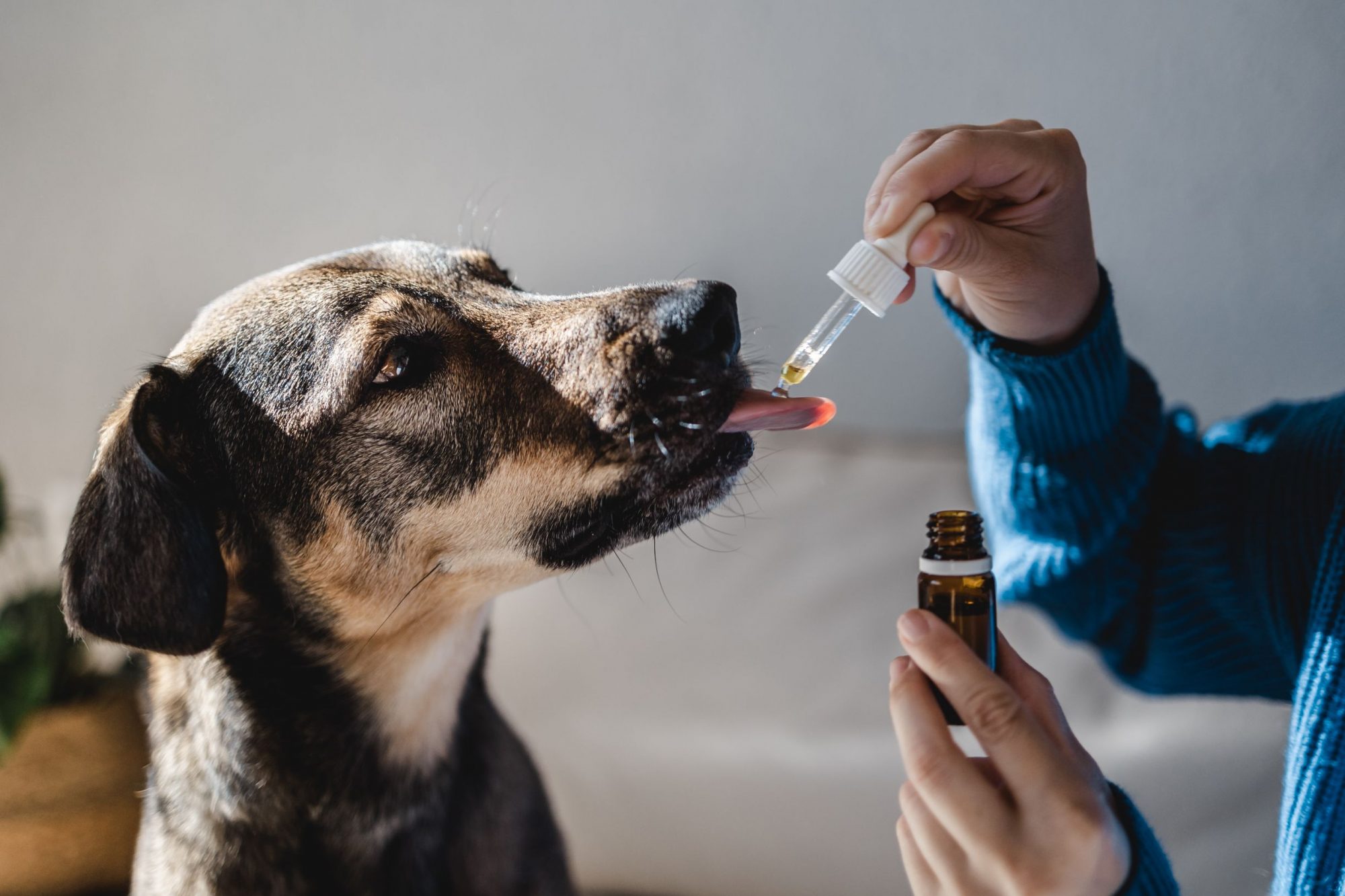
Herbal Supplements
Ah, the world of herbs! Some can be quite helpful. But approach with caution.
- Ginger: A natural anti-inflammatory that can help soothe the digestive tract.
- Chamomile: Known for its calming properties, it can help reduce stomach upset.
- Slippery Elm: Coats and soothes the esophagus.
Important: Always talk to your vet before introducing any new supplement. Some herbs can interact with medications or have side effects.
Lifestyle Changes
Simple changes can make a big difference. Elevate your pet's food bowl. This helps gravity keep things moving in the right direction. Encourage gentle exercise to aid digestion. Avoid strenuous activity right after meals.
The Expert's Corner: Vet's Perspective
I've seen countless cases in the exam room. Owners trying everything under the sun. One thing I always stress: natural doesn't always equal safe. I had a client try giving their cat essential oils for reflux. Ended up with a very sick kitty and a hefty vet bill. Be smart. Be cautious. Start slow.
Pro-Tip: Keep a symptom diary. Track what your pet eats, when they experience reflux, and any remedies you try. This will help you identify triggers and what works best.
When to See a Vet
Natural remedies can be helpful, but they're not a substitute for veterinary care. See a vet immediately if your pet experiences:
- Severe vomiting
- Bloody stool
- Extreme lethargy
- Difficulty breathing
- Unexplained ataxia (wobbly gait)
These could be signs of a more serious underlying condition. Early diagnosis is crucial.