

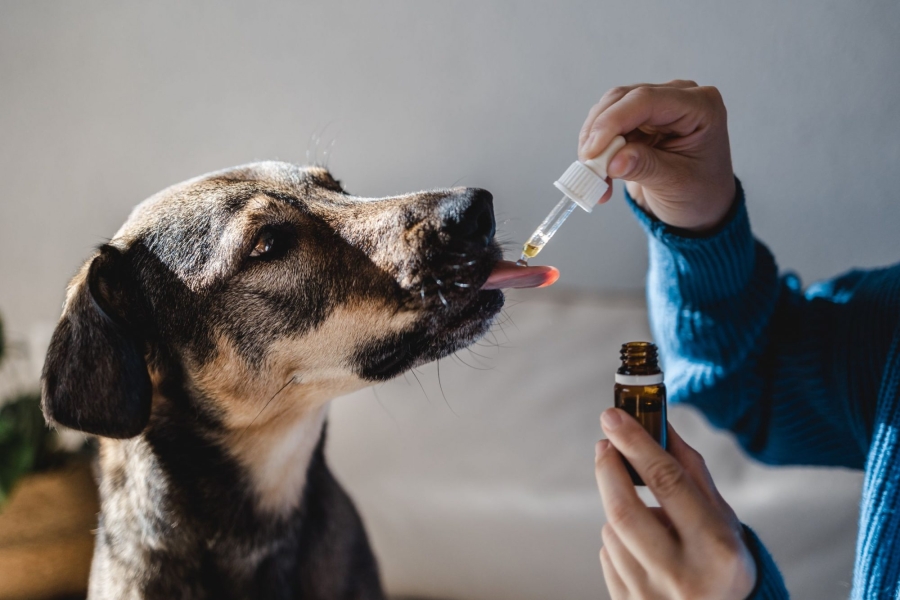
Is Your Pet Anxious? You're Not Alone.
It's tough seeing your furry friend stressed. Pacing, panting, hiding… it all points to anxiety. It's more common than you think. I see it every day in the exam room. Owners desperate for relief. We'll explore some natural options to help calm those frayed nerves.
Quick Answer: Natural Anxiety Relief
Looking for fast relief? Consider calming supplements, aromatherapy with pet-safe essential oils, and creating a secure, predictable environment. Don't forget consistent routines. Always check with your vet first to rule out underlying medical issues and ensure safety.

Understanding Pet Anxiety
First, know the enemy. Anxiety manifests differently. Some pets whine. Others tremble. Excessive licking? That could be anxiety too.
- Separation anxiety: Distress when left alone.
- Noise phobias: Fear of thunderstorms or fireworks.
- Generalized anxiety: Persistent worry or unease.
Identify the triggers. That's step one. Addressing the root cause is mission-critical.
Natural Remedies: Your Arsenal of Calm
Let's get practical. What can you actually *do*?
Supplements: The Calming Agents
Several supplements can help. L-theanine, derived from green tea, promotes relaxation. Melatonin can aid with sleep and anxiety related to noise phobias. Always follow dosage instructions carefully. And again, vet first.
- L-Theanine: Promotes relaxation without sedation.
- Melatonin: Helps with sleep and reduces anxiety associated with loud noises.
- Zylkene: Contains a milk protein derivative with calming properties.
Pheromone Therapy: Scent of Serenity
Pheromone diffusers mimic natural calming signals. For dogs, look for Adaptil. For cats, Feliway. These can reduce stress in the environment. Plug them in where your pet spends the most time. Simple, but effective.
Herbal Remedies: Nature's Pharmacy
Certain herbs have calming properties. Chamomile, valerian root, and passionflower are popular choices. Use cautiously. Some herbs can interact with medications. Vet approval is non-negotiable.
Environmental Enrichment: A Safe Haven
Create a safe and predictable environment. Provide a quiet space where your pet can retreat. A crate, a bed under a table… somewhere they feel secure. Consistency is key. Stick to a regular feeding and walking schedule. Predictability reduces anxiety.
Behavioral Modification: Training for Tranquility
Desensitization and counter-conditioning can help. Gradually expose your pet to anxiety triggers. Reward calm behavior. Consult a certified professional dog trainer or veterinary behaviorist. They can tailor a plan to your pet's specific needs.

The Expert's Corner: Vet’s Perspective
Don't underestimate the power of routine. Animals thrive on predictability. Also, pay attention. Is your dog suddenly showing new signs of anxiety? Are they ataxic (wobbly) or showing increased borborygmi (stomach noises)? These could be medical issues, not just behavioral. Rule out medical causes first. I can't stress this enough. A full physical exam and bloodwork can provide valuable insights.
Pro-Tip: Keep a journal. Document when your pet exhibits anxiety. Note the triggers. This helps you and your vet identify patterns and tailor treatment effectively.