

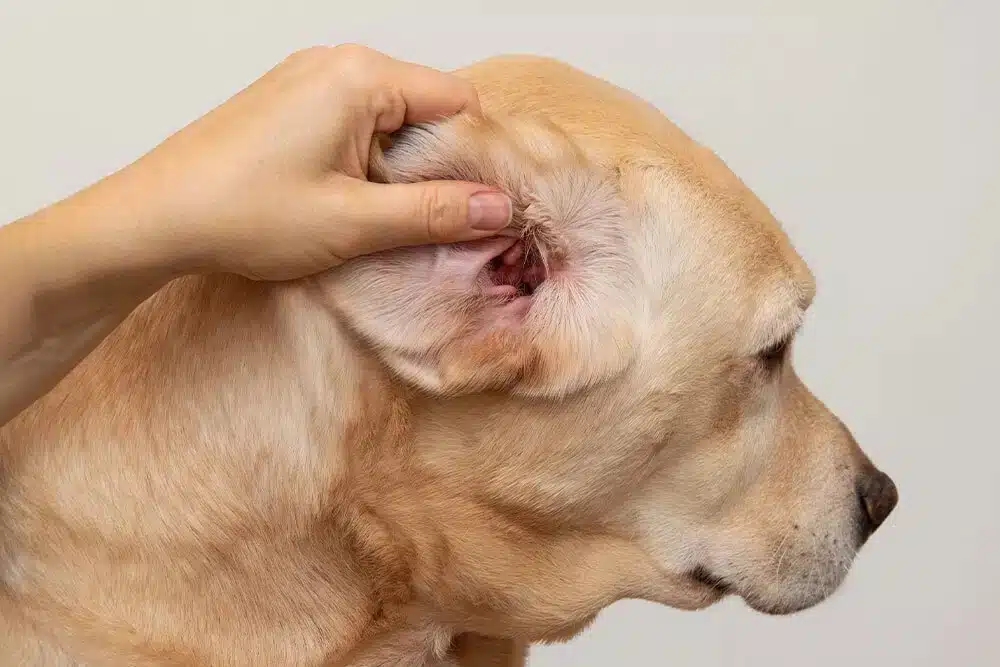
Is Natural the Right Path? Understanding Ear Infections
Seeing your pet scratch incessantly at their ear is… concerning. You want to help, *fast*. The internet is overflowing with 'natural' solutions. But are they actually effective? And, mission-critical, are they safe?
Ear infections are common. I see them all the time in the exam room. Owners are desperate for relief for their furry pals. Let's unpack what truly works, and what's just wishful thinking.
What Causes Ear Infections Anyway?
Several factors can contribute. Allergies are a huge one. So are ear mites, bacteria, yeast, and even just the shape of your pet's ear canal. Some breeds are more prone. Think floppy-eared dogs like Cocker Spaniels. Those ears trap moisture.
- Allergies: Food or environmental.
- Ear Mites: Tiny parasites.
- Bacteria & Yeast: Overgrowth leads to infection.
- Anatomy: Floppy ears are problematic.
Natural Remedies: What *Might* Help (and What to Watch Out For)
Okay, let's dive into some common natural remedies. Remember, **always** consult your veterinarian before trying anything new. What works for one pet might be harmful to another.
Apple Cider Vinegar (ACV)
ACV has antibacterial and antifungal properties. It *can* help. But it's also acidic. It can sting if the ear is already inflamed. Dilute it *significantly* with water (usually 50/50). Only use if the eardrum is intact! A ruptured eardrum? That's a vet visit, stat.
Herbal Infusions
Some herbs boast anti-inflammatory and antimicrobial qualities. Calendula and chamomile are common choices. Steep dried herbs in hot water, let it cool, then use the infusion to gently clean the ear. Make sure it's *completely* cool. And, again, proceed with caution.
Essential Oils: A Minefield
Essential oils are potent. Some are downright toxic to pets. Never use undiluted essential oils. Even diluted, some can cause severe reactions. Lavender and chamomile are sometimes recommended, but use with extreme care. Seriously. I'm talking *one drop* in a carrier oil (like coconut oil) diluted to a concentration of 0.5% or less.
Other Considerations
Diet plays a role. A healthy, balanced diet supports the immune system. Probiotics can also help boost gut health. And a strong gut can mean a stronger immune response.
When to Ditch the DIY and See a Vet
Natural remedies aren't a cure-all. Some symptoms scream, “Vet now!”
- Severe Pain: Whining, pawing at the ear.
- Discharge: Pus or blood.
- Head Tilt: A sign of a serious inner ear issue.
- Ataxia: Uncoordinated movements.
- Nystagmus: Rapid, involuntary eye movements.
Those last three? Those are *neurological* signs. Get to a vet. Immediately.
The Expert's Corner: Vet's Perspective
Here's the truth: I've seen too many cases where well-meaning owners tried home remedies. The infection got worse. It became more difficult (and expensive) to treat. My advice? Use natural remedies for *mild* cases only. And always, always have a vet check it out first. Prevention is key. Regular ear cleaning (with a vet-approved solution) can help prevent infections in the first place.
Pro-Tip: Chronic ear infections? They often stem from underlying allergies. Work with your vet to identify and manage those allergies. It's a game changer.
Prevention is Better Than Cure
Regular ear cleaning is non-negotiable. Use a vet-approved ear cleaner. Don't use cotton swabs deep in the ear canal. You'll just push debris further in. Gently clean the outer ear. And dry the ear thoroughly after baths or swimming.
Diet matters. Feed a high-quality diet. Consider adding omega-3 fatty acids. They have anti-inflammatory properties. Talk to your vet about the right dosage.