

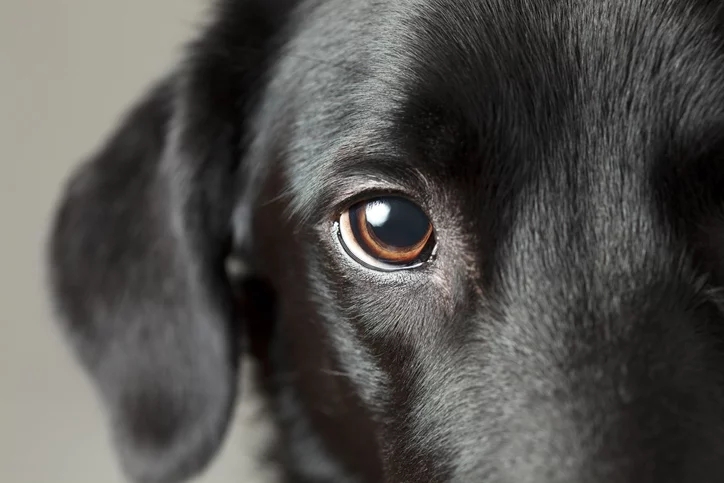
Is Your Pet Suffering From Dry Eyes?
Seeing your furry friend uncomfortable is never easy. Dry eyes, or keratoconjunctivitis sicca (KCS) if we want to get all vet-y, can cause real misery. I see it often in the exam room: squinting, redness, and that thick, goopy discharge. It's painful, and you're right to look for solutions.
Before we dive in, remember this isn't a substitute for a vet visit. I can't stress that enough. Some causes need prescription meds. But these natural approaches can offer much-needed comfort and support alongside conventional treatment.
Understanding Dry Eyes in Pets
Dry eye happens when the tear glands don't produce enough tears. Tears are mission-critical. They keep the cornea (the clear front part of the eye) moist, wash away debris, and fight infection. Without enough tears, the eye becomes irritated and inflamed. Not good.
Several factors can contribute to dry eyes:
- Breed Predisposition: Some breeds are simply more prone. Think Bulldogs, Shih Tzus, and Westies.
- Autoimmune Disease: The body attacks its own tear glands.
- Medications: Certain drugs can reduce tear production.
- Infections: Infections damage tear-producing cells.
Natural Remedies: What Can Help?
Okay, let's get to the good stuff. What can you do, naturally, to help your pet's dry eyes? Think of these as supportive therapies – things to do *in addition* to what your veterinarian recommends. Not instead.
Omega-3 Fatty Acids
These are non-negotiable. Omega-3s have potent anti-inflammatory properties. They can help reduce inflammation around the tear glands and improve tear quality. Fish oil is a great source. Krill oil is another good option.
Dosage: Discuss the correct dosage with your vet. It depends on your pet's weight and the concentration of the supplement.
Hydration is Key
Dehydration makes everything worse. Ensure your pet has access to fresh, clean water *always*. Consider adding wet food to their diet to increase their water intake. Simple, right?
Gentle Eyelid Cleaning
Build-up around the eyes exacerbates irritation. Use a warm, damp cloth to gently clean the eyelids and surrounding area. Do this daily. Get rid of that crusty gunk.
Pro-Tip: Use a separate clean cloth for each eye to prevent cross-contamination.
Herbal Support
Some herbs may offer relief. But tread carefully here. Always consult with a holistic vet before using herbs, especially if your pet is on medication.
- Eyebright (Euphrasia): Known for its anti-inflammatory and soothing properties. Use as a diluted eyewash.
- Calendula: Can help soothe irritated skin around the eyes.
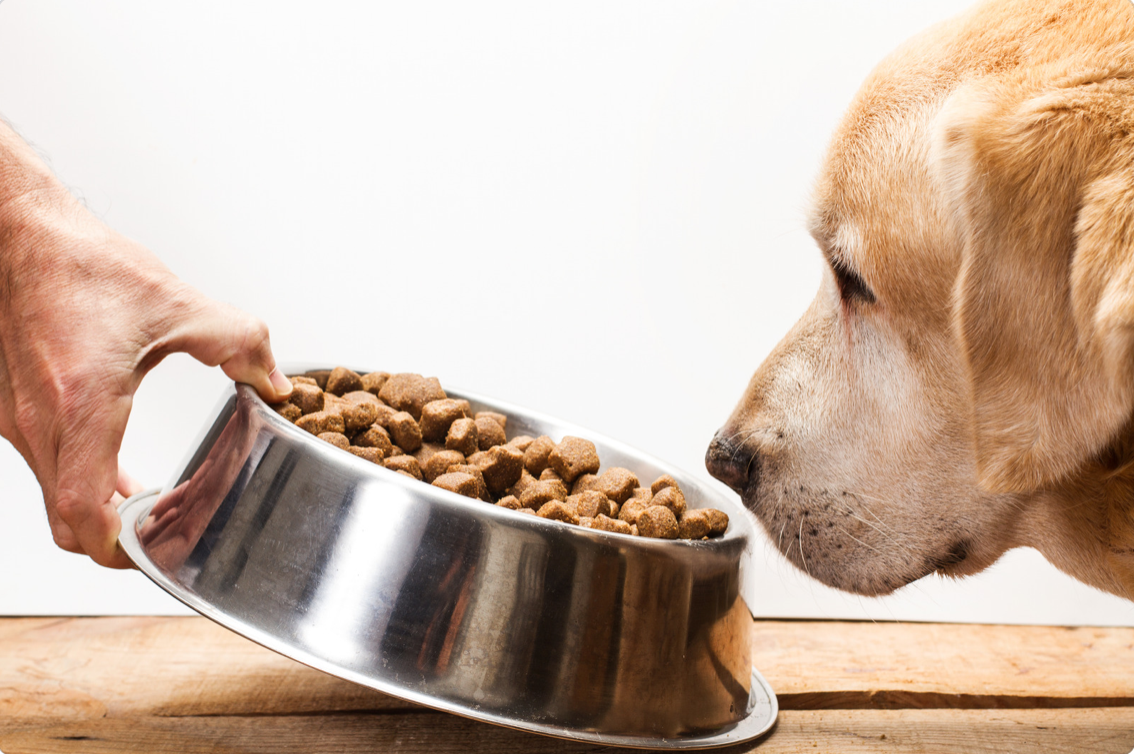
Diet Matters
A balanced, species-appropriate diet is fundamental. Avoid processed foods with artificial additives. These can contribute to inflammation. Feed a high-quality diet rich in antioxidants.
The Expert's Corner: Practical Advice From the Trenches
Listen, I've seen a lot of dry eyes in my career. Here’s what I've learned. Consistency is paramount. These remedies aren't a one-shot deal. You need to stick with them long-term to see results.
Also, be patient. It can take weeks or even months to see a significant improvement. Don't get discouraged. And please, monitor your pet closely for any signs of worsening. Things like increased redness, pain, or vision changes warrant an immediate vet visit. No exceptions.
Vet's Perspective: I had a case last year, a sweet little pug named Penelope. Her dry eyes were so severe, she was nearly blind. We started her on cyclosporine (a prescription medication), but we also incorporated omega-3s, eyelid cleaning, and dietary changes. The transformation was remarkable. Her vision improved, and she was so much more comfortable. It was a reminder that a multi-faceted approach often yields the best outcomes.
When to See a Vet (Again, Seriously)
I can’t stress this enough: Dry eye can be a sign of a more serious underlying condition. Get a diagnosis. If you notice any of these symptoms, schedule an appointment immediately:
- Excessive squinting
- Redness of the eyes
- Thick, mucus-like discharge
- Rubbing or pawing at the eyes
- Cloudiness of the cornea
- Vision changes
Don't delay. Early diagnosis and treatment can prevent permanent damage.