

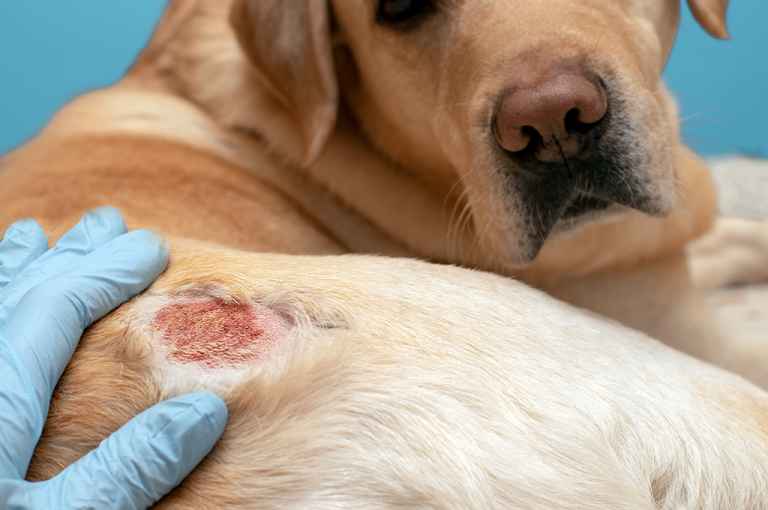
Understanding Eczema in Dogs
Seeing your dog constantly scratching is heartbreaking. It’s even worse when you realize it might be eczema, also known as atopic dermatitis. It's an inflammatory skin condition. It causes intense itching and discomfort.
Eczema isn't just a surface issue. It’s often linked to allergies, genetics, or environmental factors. Don't panic. Natural remedies can offer significant relief, complementing traditional veterinary care.
Identifying Eczema: What to Look For
How do you *know* it's eczema? Look for these telltale signs:
- Persistent scratching and licking: This is the most obvious sign.
- Red, inflamed skin: Especially around the paws, ears, groin, and armpits.
- Hair loss: From constant scratching and rubbing.
- Secondary infections: Due to skin damage.
Sometimes, it's hard to tell. Get a vet's opinion. Rule out other conditions. Like mange or ringworm.
Dietary Changes: Fueling Healthy Skin from Within
What your dog eats profoundly affects their skin health. A balanced diet rich in essential fatty acids is mission-critical.
Omega-3 Fatty Acids
These are non-negotiable for managing inflammation. Fish oil (salmon, mackerel, or sardines) is an excellent source. Flaxseed oil is another option. But it's less potent. Add these to your dog's food. Follow the dosage instructions carefully.
Elimination Diet
Food allergies can trigger eczema flare-ups. An elimination diet can help identify the culprit. Work with your vet. Introduce new protein sources one at a time. Monitor for any adverse reactions.
Probiotics
Gut health and skin health are intertwined. Probiotics can improve your dog's gut microbiome. This reduces inflammation. Look for canine-specific probiotics.
Topical Treatments: Soothing the Itch Directly
Sometimes, you need immediate relief. Topical treatments can soothe irritated skin. These are best for localized eczema patches.
Oatmeal Baths
Colloidal oatmeal is a classic remedy. It reduces itching and inflammation. Mix it with warm water. Soak your dog for 10-15 minutes. Do not rinse afterward. Let the oatmeal dry on their skin.
Coconut Oil
This natural moisturizer has antibacterial and antifungal properties. Apply a thin layer to affected areas. Make sure your dog doesn't ingest too much. It can cause diarrhea (vet-speak: borborygmi).
Aloe Vera
Aloe vera gel soothes and heals irritated skin. Use pure, organic aloe vera. Apply it to the affected areas. Monitor for any allergic reactions.
Herbal Remedies: Nature's Pharmacy
Some herbs have anti-inflammatory and soothing properties. Always consult your vet before using herbal remedies. Some can interact with medications.
Calendula
Calendula has anti-inflammatory and wound-healing properties. Calendula creams or ointments can be applied to affected areas.

Chamomile
Chamomile has calming and anti-inflammatory effects. Chamomile tea can be used as a rinse. Or apply a cooled chamomile tea bag to the affected area.
The Expert's Corner: Pro Tips from the Exam Room
In the exam room, I see a lot of frustrated pet parents. Here's what I tell them. First, consistency is key. Natural remedies take time. Don't expect overnight miracles.
Second, be patient. What works for one dog might not work for another. It's a trial-and-error process. Third, monitor your dog closely. Watch for any adverse reactions. Contact your vet immediately if you notice anything concerning.
One more thing: environmental management. Reduce exposure to allergens. Use air purifiers. Wash your dog's bedding frequently. This is non-negotiable. It's a holistic approach. It addresses the root cause. It doesn't just mask the symptoms.
I remember one case. A golden retriever. Severe eczema. Ataxia (loss of coordination) from the constant antihistamines. We switched to a fish oil supplement. Oatmeal baths. A hypoallergenic diet. The difference was night and day. It's possible. It takes work. But it's worth it.