

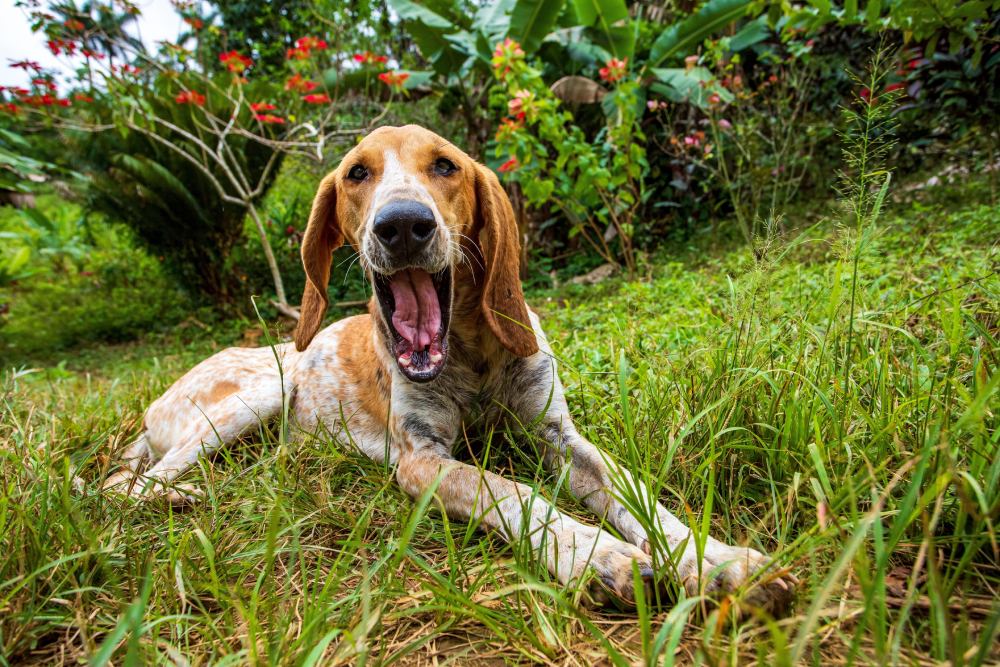
Why Is My Dog's Mouth Quivering? 6 Vet-Reviewed Causes & Home Care
Here's a truth bomb most owners miss: mouth quivering in dogs isn't always about cold or fear. Sometimes, it signals hidden pain, like a smoldering dental abscess you can't see. Ignoring it could mean a painful condition worsens. So, let's get to the bottom of this!
Is your dog's mouth quivering, and you're not sure why? It could be anything from a simple chill to something more serious like dental disease or a neurological issue. Getting a vet's opinion is crucial for diagnosis and a proper treatment plan. Don't delay seeking help!
Why is My Dog's Mouth Quivering? 6 Vet-Reviewed Causes
Mouth quivering in dogs isn't normal and often points to an underlying problem. The cause can range from minor discomfort to significant medical issues. A vet visit is essential to pinpoint the exact cause and start the right treatment. Don't just wait and see; take action.
Okay, here's the deal. Mouth quivering, teeth chattering, excessive drooling – these can be clues that something's up with your dog. Let's break down the most common culprits. I've seen it all in the exam room, from shivering Chihuahuas to anxious Great Danes. So, let's get started.
1. Dog Suddenly Shivering: Could it Be the Cold?
Just like us, dogs shiver when they're cold. This shivering can manifest as teeth chattering or mouth quivering. Smaller breeds, senior dogs, and those with thin coats are especially vulnerable. Think about it: their body mass is lower, meaning they lose heat faster. The hypothalamus, the body's thermostat, kicks into overdrive, triggering muscle contractions (shivering) to generate warmth.
Honestly, this one's pretty straightforward. If your dog's been out in the cold, especially if they're a smaller breed or have a thin coat, they might just be shivering. Think of it like us turning up the thermostat – their body is trying to generate heat. I always tell my clients: if you're cold, they're probably even colder. A dog coat can make a big difference here.
Home-Care Hacks for a Chilly Dog
- Bundle Up: A well-fitting dog coat can be a game-changer.
- Warm Bedding: Provide a plush blanket or a heated bed.
- Limit Exposure: Shorten outdoor time during cold snaps.
Red Flags: When to Worry About Cold-Induced Shivering
- Shivering persists even indoors.
- Lethargy or weakness accompanies the shivering.
- Pale gums or other signs of illness are present.
2. Why is My Dog Drooling and Quivering? Dental Problems are Often the Culprit
Dental problems are a frequent cause of mouth quivering and drooling in dogs. Conditions like abscesses, inflammation (gingivitis), or broken teeth can cause significant pain. This pain triggers a neurological response, leading to muscle spasms in the jaw and increased salivation. Neglecting dental health allows bacteria to thrive, eroding the protective enamel and irritating sensitive nerve endings.
Dental issues are huge. I mean, massive. Dental pain is a very common cause of mouth quivering. Think about it: a dental abscess, a broken tooth – that hurts! They can't exactly tell us, so they show it in other ways. And trust me, I've pulled enough rotten teeth to know how much relief they feel afterward.
Home-Care Hacks for Dental Health
- Regular Brushing: Daily brushing is non-negotiable.
- Dental Chews: Choose vet-approved dental chews.
- Professional Cleanings: Schedule regular dental cleanings with your vet.
Red Flags: When to Worry About Dental Issues
- Bad breath that doesn't go away.
- Resistance to having their mouth touched.
- Difficulty chewing or loss of appetite.
3. Could it Be TMJ? Temporomandibular Joint Disorder & Jaw Quivering in Dogs
Temporomandibular joint (TMJ) disorders can cause mouth quivering. Arthritis or injury to the TMJ can cause pain and inflammation. This disrupts the normal biomechanics of the jaw, leading to spasms and quivering. The TMJ, like any joint, is susceptible to age-related degeneration and the inflammatory cascade associated with arthritis.
TMJ disorders? Yeah, they can do it too. The TMJ is basically the hinge that connects the jaw to the skull. If that joint is inflamed or damaged, it can cause pain and muscle spasms, leading to that telltale quivering. I've seen dogs struggle to eat because of this. It's not fun for anyone.
Home-Care Hacks for TMJ Issues
- Soft Food: Switch to a soft food diet to reduce strain on the jaw.
- Warm Compresses: Apply warm compresses to the jaw to ease pain.
- Avoid Hard Toys: Refrain from giving hard toys that require excessive chewing.
Red Flags: When to Worry About TMJ Disorders
- Difficulty opening or closing the mouth.
- Deviation of the jaw to one side.
- Loss of appetite due to chewing pain.
4. Dog Shaking and Quivering: Anxiety as a Cause
Anxiety is a common cause of shaking and mouth quivering in dogs. When a dog experiences anxiety, their body releases stress hormones like cortisol. These hormones trigger a cascade of physiological responses, including muscle tremors and increased heart rate. In the exam room, I often see dogs that are seemingly fine until I approach them, then they start trembling uncontrollably.
Anxiety. It's a big one. A stressed dog releases adrenaline, which can cause trembling and quivering. Think of it as their body going into overdrive. I see this all the time with dogs who are scared of thunderstorms or vet visits. It's heartbreaking, honestly.
Home-Care Hacks for Anxiety
- Create a Safe Space: Provide a quiet, comfortable den.
- Calming Aids: Try pheromone diffusers or calming supplements.
- Consistent Routine: Maintain a predictable daily schedule.
Red Flags: When to Worry About Anxiety
- Excessive barking or whining.
- Destructive behaviors like chewing or scratching.
- Aggression towards people or other animals.
5. Mouth Twitching in Dogs: Neurological Issues
Neurological conditions, such as focal seizures, can manifest as mouth twitching in dogs. These seizures involve abnormal electrical activity in a localized area of the brain. This aberrant activity can cause involuntary muscle contractions, leading to twitching or quivering of the mouth. In severe cases, this can progress to generalized seizures affecting the entire body.
Neurological issues are serious. Focal seizures, for example, can cause localized twitching, including in the mouth. It's like a misfire in the brain's electrical system. If you see this, especially with other neurological signs, get to a vet ASAP. This is not something to mess around with.
Home-Care Hacks for Neurological Issues
Honestly, there aren't many home-care hacks for neurological issues. These require veterinary intervention.
Red Flags: When to Worry About Neurological Issues
- Loss of consciousness.
- Stiffening or jerking of the body.
- Foaming at the mouth or excessive drooling.
6. Dog Making Weird Mouth Movements: Gastrointestinal Problems
Gastrointestinal (GI) issues, like nausea or gastroesophageal reflux, can cause mouth quivering and weird mouth movements. These conditions irritate the esophagus and stomach, triggering a reflex response that includes increased salivation and lip licking. The dog might also grind their teeth in an attempt to alleviate the discomfort.
GI problems can also be to blame. Nausea or reflux can cause weird mouth movements, including what might look like quivering. They might be trying to swallow or relieve discomfort. I've seen dogs lick their lips constantly when they're feeling nauseous. It's a subtle sign, but it's important to pay attention.
Home-Care Hacks for GI Issues
- Bland Diet: Offer a bland diet of boiled chicken and rice.
- Smaller, Frequent Meals: Feed smaller meals more frequently to ease digestion.
- Anti-Nausea Medication: Consult your vet about anti-nausea medication.
Red Flags: When to Worry About GI Issues
- Vomiting or diarrhea.
- Loss of appetite.
- Lethargy or weakness.