

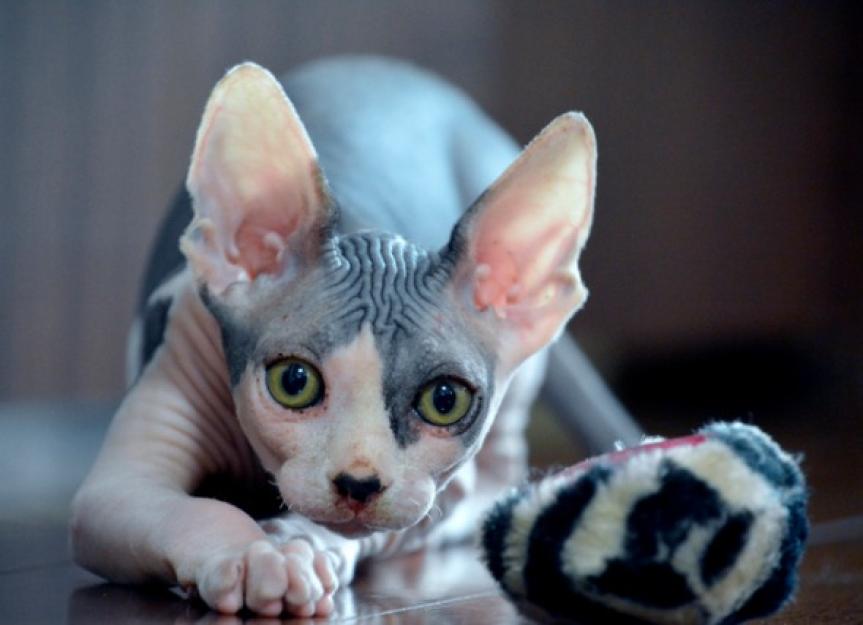
Thinking About a Sphynx? A Vet's Honest Guide to Hairless Cat Care
Here's a truth bomb for you: hairless doesn't equal maintenance-free. Many assume Sphynx cats are hypoallergenic and low-effort. Actually, their lack of fur demands a specialized care regimen to avoid a host of skin and health problems. So, are you ready for this?
For Busy Owners: Sphynx cats are social butterflies needing constant attention. Their hairlessness requires strict skincare, diet, and temperature regulation. Potential owners must understand the commitment before adopting.
Why is Sphynx Cat Care More Demanding Than Other Breeds? The Clinical Perspective
Sphynx cats require more care due to the absence of fur, which normally acts as a protective barrier. This means their skin is directly exposed to environmental irritants and temperature changes, necessitating vigilant care. Their unique physiology demands attention, or you will quickly see problems.
The lack of fur in Sphynx cats isn't just an aesthetic quirk; it fundamentally alters their physiology. Fur provides insulation, protecting against temperature fluctuations. Without it, Sphynxes are prone to heat loss, shivering in cooler environments to maintain their core body temperature. This increased metabolic demand means they often eat more than furry breeds to generate heat. Moreover, the skin's sebaceous glands, which normally lubricate fur, now overproduce oil to compensate for the lack of a protective coat. This excess sebum leads to a greasy feel and makes them prone to a specific type of yeast infection called Malassezia dermatitis. This is why diet and bathing routines are mission-critical.
"Grease Spots Everywhere!" What's the Secret to Sphynx Cat Skin Care and Diet?
A high-quality diet is paramount for managing a Sphynx cat's oily skin. Better food reduces oil production, preventing skin problems, ear wax buildup, and infections. Diet directly impacts the amount of oil a Sphynx’s skin produces, so choose wisely.
What I tell my clients in the exam room is this: think of your Sphynx's diet as the foundation of their skin health. A diet rich in omega-3 and omega-6 fatty acids supports the skin barrier function, reducing inflammation and controlling sebum production. Look for diets with named meat sources (like chicken or salmon) as the primary ingredient and avoid those packed with fillers like corn or soy. I often recommend limited-ingredient diets to rule out potential food sensitivities, which can manifest as skin irritation and increased oiliness. Also, consider supplementing with probiotics. A healthy gut microbiome is linked to improved skin health via the gut-skin axis. You might notice fewer 'grease spots' on your furniture.
Home-Care Hacks for a Gleaming Sphynx
- Regular Bathing: Use a gentle, soap-free shampoo (like those with oatmeal and aloe) every 1-2 weeks to remove excess oil and grime.
- Ear Cleaning: Weekly ear cleaning with a vet-approved solution prevents wax buildup and infections.
- Paw Patrol: Clean between their toes regularly to avoid infections from accumulated grime.
- Cozy Comfort: Provide sweaters and warm beds, especially in colder months, to help them regulate their body temperature.
Why Does My Hairless Cat Need a Bath? Practical Cleaning Tips
Sphynx cats lack fur to absorb skin oils, requiring regular baths to remove dirt and prevent skin issues. Gentle shampoos and quick drying are essential to maintain skin health. Think of it as bathing a baby – but with claws.
The technique matters just as much as the frequency. Instead of fully immersing your Sphynx, which can be stressful, use a soft washcloth with diluted shampoo to gently cleanse their skin. Focus on areas prone to oil buildup, like the folds of their neck and between their toes. Rinse thoroughly with another damp washcloth. Drying is mission-critical. Use a soft, absorbent towel to pat them dry immediately after bathing. A cool hair dryer (on the lowest setting) can help, but be careful not to overheat their sensitive skin. Neglecting these steps can lead to skin irritation, dermatitis, and even secondary bacterial infections.
The Red Flag Checklist: When to Call the Vet
- Excessive Redness or Itching (Pruritus): Could indicate allergies, infections, or dermatitis.
- Open Sores or Lesions: Requires immediate veterinary attention to prevent secondary infections.
- Foul Odor: Often a sign of a bacterial or yeast infection.
- Changes in Skin Texture: Unusual lumps, bumps, or thickening of the skin warrant a vet visit.
Are Sphynx Cats Prone to More Health Problems? Understanding Genetic Risks
Sphynx cats, like many purebreds, are predisposed to genetic health issues, including hypertrophic cardiomyopathy (HCM) and dental problems. Regular veterinary screenings are essential for early detection and management. Early intervention is key.
Hypertrophic cardiomyopathy (HCM), a thickening of the heart muscle, is a significant concern in Sphynx cats. The underlying mechanism involves genetic mutations affecting sarcomere proteins, the contractile units of the heart. These mutations lead to myocyte hypertrophy (enlargement of heart cells) and disarray, impairing the heart's ability to pump blood efficiently. Regular echocardiograms (ultrasounds of the heart) are non-negotiable to screen for HCM, even in young, seemingly healthy cats. Dental issues are also common due to genetic factors affecting tooth development and enamel formation. This often leads to early periodontal disease and tooth loss. Regular dental cleanings, and sometimes extractions, are often necessary.
Home-Care Hacks for Promoting Longevity
- Regular Vet Checkups: Twice-yearly checkups, including heart and dental screenings, are vital.
- Dental Hygiene: Daily tooth brushing (if tolerated) or dental chews can help prevent dental disease.
- Weight Management: Maintaining a healthy weight reduces the strain on their heart and joints.
- Stress Reduction: Minimize stress in their environment, as stress can exacerbate underlying health conditions.
Why is My Sphynx Cat Always Cold? Temperature Regulation Tips
Sphynx cats lack fur, making them highly susceptible to cold temperatures. Owners must provide warm clothing, heated beds, and a strictly indoor environment to prevent hypothermia and sunburn. Remember, if you're cold, they're freezing.
Without fur, Sphynx cats struggle to maintain their body temperature, especially in cooler environments. The hypothalamus, the brain's thermostat, triggers shivering when the body temperature drops. Shivering is an involuntary muscle contraction that generates heat, but it's an energy-intensive process. Prolonged exposure to cold can lead to hypothermia, a dangerous condition where the body loses heat faster than it can produce it. Conversely, their lack of fur also makes them vulnerable to sunburn. Prolonged sun exposure can damage their skin cells, leading to inflammation, pain, and an increased risk of skin cancer. This is why indoor living is non-negotiable.
The Red Flag Checklist: When to Call the Vet
- Shivering: Persistent shivering, even when indoors, indicates they're too cold.
- Lethargy: Unexplained tiredness or weakness can be a sign of hypothermia or other underlying issues.
- Sunburn: Redness, inflammation, or blistering on the skin after sun exposure requires veterinary attention.
- Changes in Appetite: A sudden decrease in appetite can indicate illness or discomfort.
I Heard Sphynx Cats Are Hypoallergenic. Is That True? Debunking Myths
Sphynx cats are often mistakenly considered hypoallergenic. Allergens are primarily found in cat saliva and skin oils, not fur. Therefore, hairlessness does not guarantee a reduction in allergic reactions. Don't believe the hype.
The major cat allergen is Fel d 1, a protein produced in the salivary and sebaceous glands. When cats groom themselves, they deposit saliva onto their fur, which then dries and becomes airborne. People with cat allergies react to these airborne particles. Since Sphynx cats still produce Fel d 1 (albeit potentially in slightly lower amounts), they are not truly hypoallergenic. Some individuals may experience fewer allergy symptoms around Sphynx cats, possibly due to the lack of shedding fur reducing allergen dispersal. However, it's crucial to spend time with a Sphynx before adopting to assess your individual allergic response. Don't make assumptions; test before you invest.