

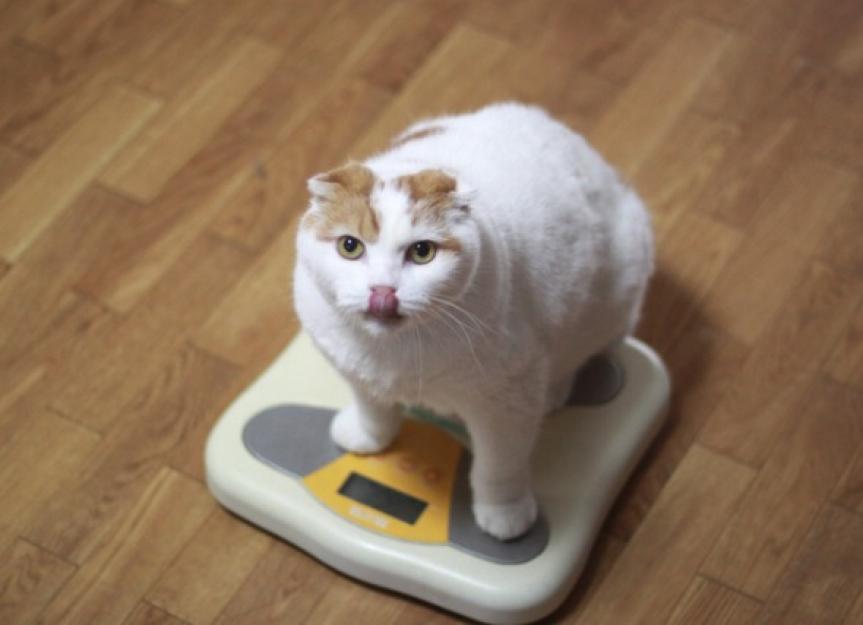
Smart Tech for Cat Weight Loss: Automatic Feeders, Cameras, and Fitness Trackers
Here's a counter-intuitive fact from the trenches: sometimes, more food bowls, not less, are the key to feline weight loss. Think about it: wild cats are hunters who roam and forage. Now, consider the indoor cat, often bored and with a single, overflowing food bowl. The result? A recipe for obesity. Smart tech aims to mimic natural feeding behaviors and reverse this trend.
For busy owners: Smart technology offers innovative solutions for cat weight management. Automatic feeders control portions and timing, mimicking natural feeding behaviors. Pet cameras monitor feeding habits, especially crucial in multi-cat households, while fitness trackers gauge activity levels, aiding in tailored weight loss plans.
Why Has Cat Obesity Become Such a Problem? Understanding the Risks of Cat Weight Gain
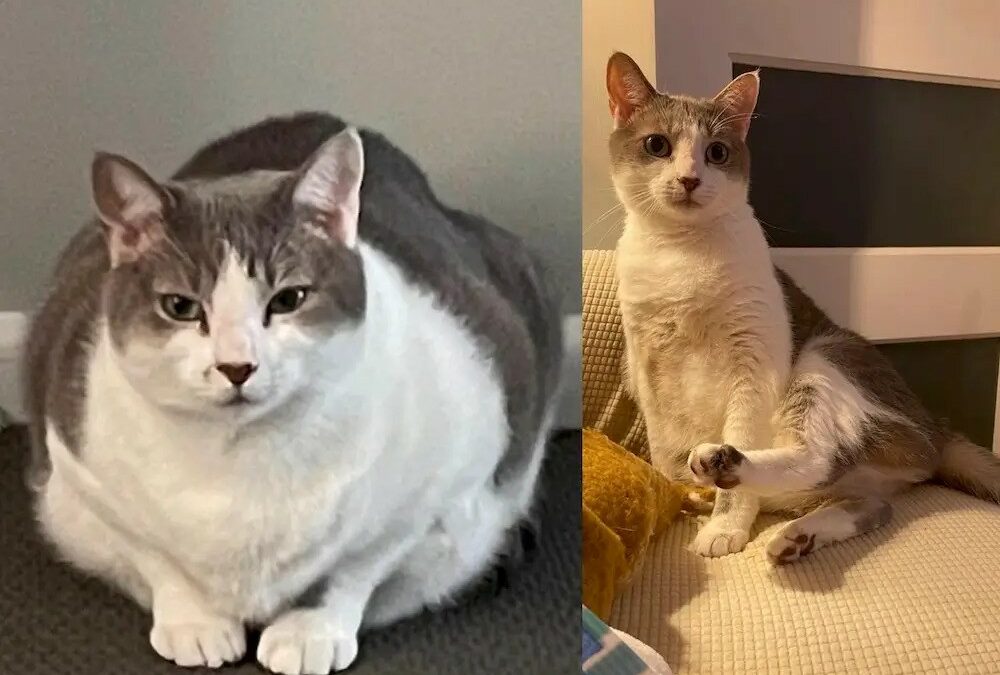
We've essentially created a perfect storm for feline obesity. Indoor lifestyles, calorie-dense foods, and infrequent, large meals all contribute. This isn't just about aesthetics; it's a cascade of physiological consequences. Obesity in cats leads to insulin resistance, mirroring type 2 diabetes in humans, and places immense stress on joints, accelerating cartilage breakdown and osteoarthritis. The increased fat tissue also acts as an endocrine organ, releasing inflammatory cytokines that contribute to systemic inflammation and further exacerbate joint pain.
The Clinical Perspective (Biological 'Why')
Honestly, in the exam room, I see the heartbreaking results of feline obesity daily. It's not just about the extra pounds; it's about the downstream effects on their health and longevity. We're talking about a higher risk of hepatic lipidosis (fatty liver disease), a potentially fatal condition where excess fat accumulates in the liver. Obese cats often have elevated levels of leptin, a hormone produced by fat cells, which can paradoxically lead to leptin resistance and further dysregulation of appetite. The chronic inflammation associated with obesity also impacts immune function, making cats more susceptible to infections. The biological mechanisms are complex and interwoven, making prevention the absolute best medicine.
Home-Care Hacks (Low-cost, practical tips)
- Elevated Feeding Stations: Place food bowls on cat trees or shelves to encourage climbing and activity.
- DIY Puzzle Feeders: Use empty toilet paper rolls or egg cartons to create simple puzzle feeders. Hide kibble inside and let your cat work for their food.
- Interactive Play: Dedicate at least 15-20 minutes each day to interactive play with toys like laser pointers, wands, or feather toys.
- Environmental Enrichment: Provide plenty of vertical space (cat trees, shelves), scratching posts, and hiding places to stimulate natural behaviors.
The Red Flag Checklist (When to panic vs. when to wait)
- Sudden Weight Gain: If your cat gains a significant amount of weight in a short period, consult your veterinarian to rule out underlying medical conditions.
- Difficulty Grooming: Obese cats may struggle to groom themselves properly, leading to matted fur and skin infections.
- Lethargy and Decreased Activity: If your cat is noticeably less active or tires easily, it could be a sign of obesity-related health problems.
- Changes in Appetite or Thirst: These could indicate diabetes or other metabolic disorders.
Where Should You Start Your Cat Weight Loss Journey?
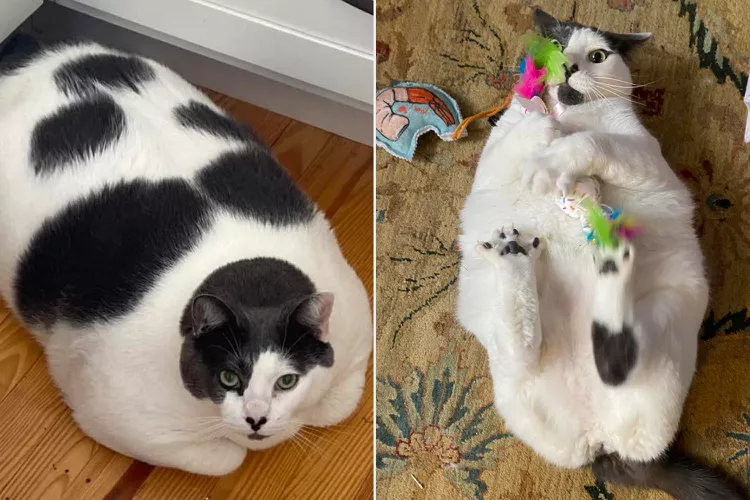
A vet visit is non-negotiable before starting any weight loss program. Cats are obligate carnivores with unique metabolic needs. A veterinarian can assess your cat's body condition score, rule out underlying medical issues, and calculate their precise caloric needs. They can also guide you on appropriate food choices, considering factors like protein content and digestibility. This assessment is crucial because rapid weight loss in cats can lead to hepatic lipidosis, a life-threatening liver condition. It's about a safe, gradual, and medically supervised approach.
The Clinical Perspective (Biological 'Why')
What I tell my own clients is that a vet visit isn't just about getting a diet plan; it's about understanding the 'why' behind the weight gain. Is it purely dietary, or is there an underlying hormonal imbalance like hypothyroidism? Are there any orthopedic issues that limit their mobility and contribute to weight gain? A thorough physical exam and bloodwork can provide valuable insights. For example, elevated liver enzymes might indicate early stages of hepatic lipidosis, requiring immediate intervention. Or, a low thyroid level could explain the sluggish metabolism and weight gain. Addressing these underlying issues is mission-critical for successful and sustainable weight loss.
Home-Care Hacks (Low-cost, practical tips)
- Food Journaling: Keep a detailed record of everything your cat eats, including treats and snacks. This helps you track calorie intake and identify potential problem areas.
- Measuring Cups: Use accurate measuring cups to portion out food. Avoid eyeballing it, as this can lead to overfeeding.
- Strategic Treat Giving: Opt for low-calorie treats and offer them sparingly. Use treats as rewards for positive behaviors like playing or using a scratching post.
- Regular Weigh-Ins: Weigh your cat weekly using a baby scale or at your veterinarian's office to monitor progress.
The Red Flag Checklist (When to panic vs. when to wait)
- Loss of Appetite: If your cat suddenly stops eating, consult your veterinarian immediately. This could be a sign of a serious health problem.
- Vomiting or Diarrhea: These can indicate digestive upset or other underlying medical conditions.
- Jaundice (Yellowing of the Skin or Eyes): This is a sign of liver problems and requires immediate veterinary attention.
- Muscle Weakness or Ataxia (Loss of Coordination): These could indicate neurological issues or other serious health problems.
How Can Automatic Cat Feeders Aid in Weight Management?
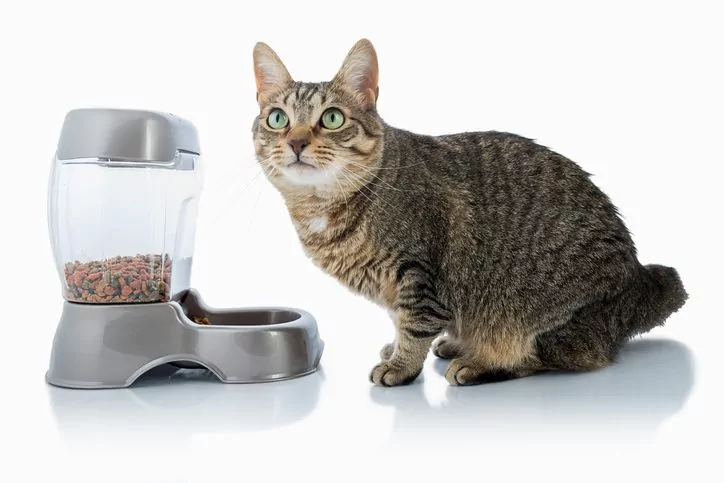
Automatic feeders are game-changers when it comes to controlling portions and meal timing. In multi-cat households, they're essential for preventing food stealing and ensuring each cat gets the correct amount of food. These devices allow you to program specific portion sizes and feeding times, mimicking the natural feeding patterns of cats who would typically hunt and eat multiple small meals throughout the day. This consistent and controlled feeding schedule helps regulate metabolism and prevent overeating.
The Clinical Perspective (Biological 'Why')
Here's the deal: consistency is paramount for successful weight loss. Automatic feeders help stabilize blood sugar levels by providing small, frequent meals. This prevents drastic fluctuations in insulin and reduces the risk of insulin resistance. The consistent feeding schedule also helps regulate the hunger hormone ghrelin, reducing cravings and preventing overeating. Furthermore, for cats with diabetes, automatic feeders can be synchronized with insulin injections to maintain optimal blood glucose control. It's about harnessing technology to optimize their metabolic health.
Home-Care Hacks (Low-cost, practical tips)
- Gradual Transition: Introduce the automatic feeder gradually to avoid stressing your cat. Start by placing it near their regular food bowl and slowly transition them to eating exclusively from the feeder.
- Positive Reinforcement: Reward your cat with treats or praise when they use the automatic feeder.
- Regular Cleaning: Clean the feeder regularly to prevent bacterial growth and ensure food freshness.
- Backup Power: Ensure the feeder has a backup power source in case of a power outage.
The Red Flag Checklist (When to panic vs. when to wait)
- Refusal to Eat from the Feeder: If your cat refuses to eat from the automatic feeder, try different types of food or consult your veterinarian for advice.
- Feeder Malfunctions: Regularly check the feeder for malfunctions and ensure it's dispensing the correct amount of food.
- Changes in Water Intake: Monitor your cat's water intake, as changes could indicate dehydration or other health problems.
- Lethargy or Weakness: These could indicate underlying health problems or an adverse reaction to the new feeding schedule.
How Can Pet Cameras Monitor Your Cat's Feeding Habits?
Pet cameras provide invaluable insights into your cat's feeding behaviors, especially in multi-cat households. They allow you to monitor who's eating what, identify food stealing, and ensure each cat is getting their fair share. This is particularly useful when one cat is on a weight loss plan and needs to be kept away from the food of other cats. Cameras can also reveal subtle changes in appetite or behavior that might indicate underlying health issues.
The Clinical Perspective (Biological 'Why')
What I tell my own clients is that pet cameras are like having a second pair of eyes. They allow us to observe their feeding behaviors in their natural environment without causing stress or anxiety. This is crucial because stress can significantly impact appetite and metabolism. For example, a cat who's being bullied by another cat may avoid eating in their presence, leading to weight loss or malnutrition. By identifying these stressors, we can implement strategies to create a more harmonious feeding environment.
Home-Care Hacks (Low-cost, practical tips)
- Strategic Placement: Place the camera in a location that provides a clear view of the feeding area.
- Motion Detection: Utilize the camera's motion detection feature to alert you when your cat is near the food bowl.
- Night Vision: Choose a camera with night vision capabilities to monitor feeding behaviors in low-light conditions.
- Two-Way Audio: Use the camera's two-way audio feature to communicate with your cat and discourage unwanted behaviors like food stealing.
The Red Flag Checklist (When to panic vs. when to wait)
- Sudden Changes in Feeding Behavior: If you notice any sudden changes in your cat's feeding behavior, such as a decrease in appetite or increased food stealing, consult your veterinarian.
- Signs of Stress or Anxiety: If your cat appears stressed or anxious while eating, try to identify and eliminate the source of stress.
- Aggression Towards Other Cats: If your cat is aggressive towards other cats during feeding time, separate them into different feeding areas.
- Vomiting or Diarrhea: These can indicate digestive upset or other underlying medical conditions.
Can Fitness Monitors Help Track Your Pet's Activity for Weight Loss?
While not as sophisticated as human fitness trackers, pet fitness monitors can provide valuable data on your cat's activity levels. They track steps, distance traveled, and active minutes, giving you a baseline understanding of their daily exercise habits. This information can help you tailor their weight loss plan by identifying opportunities to increase activity and encourage more movement throughout the day. Remember, consistent activity is crucial for burning calories and maintaining a healthy weight.
The Clinical Perspective (Biological 'Why')
The reality is that increased physical activity isn't just about burning calories; it's about improving overall metabolic health. Exercise increases insulin sensitivity, making it easier for cells to utilize glucose for energy. It also promotes muscle growth, which further boosts metabolism and helps burn fat. Furthermore, exercise releases endorphins, which have mood-boosting effects and can help reduce stress-related eating. So, it's a holistic approach to weight loss that benefits both their physical and mental well-being.
Home-Care Hacks (Low-cost, practical tips)
- Interactive Play Sessions: Engage your cat in daily interactive play sessions using toys like laser pointers, wands, or feather toys.
- Environmental Enrichment: Provide plenty of vertical space (cat trees, shelves), scratching posts, and hiding places to encourage exploration and activity.
- Food Puzzles: Use food puzzles to make mealtime more challenging and engaging.
- Outdoor Access (Safely): If possible, provide your cat with safe outdoor access to a catio or enclosed yard.
The Red Flag Checklist (When to panic vs. when to wait)
- Sudden Decrease in Activity: If your cat suddenly becomes less active, consult your veterinarian to rule out underlying medical conditions.
- Limping or Lameness: These could indicate joint pain or other orthopedic problems.
- Difficulty Breathing: This could be a sign of heart or lung problems.
- Lethargy or Weakness: These could indicate underlying health problems or an adverse reaction to exercise.