

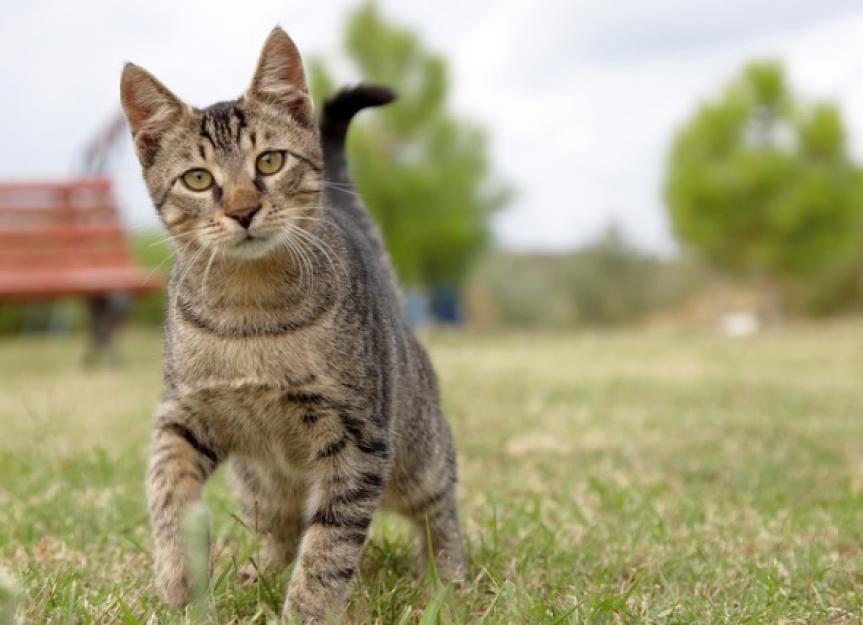
Essential Vaccines for Outdoor Cats: A Vet's Guide to Protection
Here's a counter-intuitive fact from the exam room: indoor cats actually need some of the same vaccines as outdoor cats. Why? Because sneaky viruses can hitchhike into your home on your shoes. It’s wild, I know, but ignoring this can have serious consequences for your furry pal.
Busy Owners: Outdoor cats face higher disease risks. Core vaccines like rabies and FVRCP are crucial. Annual FeLV testing and tailored parasite control are also non-negotiable for their well-being.
Why Does My Outdoor Cat Need Extra Vaccinations? (The Real Risks)
Outdoor cats are exposed to a wider range of pathogens and parasites than indoor cats. This necessitates a more robust vaccination and preventative care plan. Outdoor cats are hunters, and the simple act of stalking prey exposes them to a buffet of nasty bugs and diseases. Think of it this way: their immune systems are constantly battling threats, making vaccinations absolutely mission-critical.
The increased disease exposure is directly tied to their lifestyle. Roaming freely exposes them to other cats, wildlife, and contaminated environments. This constant interaction increases their risk of contracting viral, bacterial, and parasitic infections. From a clinical perspective, we're talking about a higher likelihood of encountering everything from fleas and ticks to deadly viruses like feline leukemia.
Rabies Vaccine for Cats: Why is it Non-Negotiable?
Rabies is a fatal viral infection affecting the central nervous system. It poses a significant threat to both animals and humans. The virus is transmitted through saliva, typically via bites from infected animals. Due to the invariably fatal outcome and public health implications, rabies vaccination is often legally mandated for pets.
The implications of rabies are terrifying. Once symptoms appear (ataxia, hydrophobia, paralysis), it's a death sentence. And honestly, here's what I tell my clients: prevention is the only cure. The disease progresses rapidly once neurological signs manifest, leading to complete system failure. We're talking about a virus that hijacks the nervous system, causing inflammation and irreversible damage to the brain.
Home-Care Hacks: Rabies Prevention
- Regular vaccination: Adhere to your veterinarian's recommended schedule.
- Avoid contact with wildlife: Keep your cat indoors, especially at dawn and dusk.
- Report suspicious animal behavior: Contact animal control if you observe unusual aggression or disorientation in wildlife.
The Rabies Red Flag Checklist
- Unexplained aggression or behavioral changes
- Excessive salivation or foaming at the mouth
- Difficulty swallowing
- Paralysis or incoordination
FVRCP Vaccine: Protecting Your Cat from the Feline Distemper Complex
The FVRCP vaccine is a combination vaccine protecting against feline viral rhinotracheitis (feline herpesvirus), feline calicivirus, and feline panleukopenia (feline distemper). These diseases are highly contagious among cats, particularly in multi-cat environments or shelters. Vaccination is a cornerstone of preventative care, safeguarding cats from severe illness.
The "feline distemper complex" can trigger a cascade of issues. These viruses target the respiratory and gastrointestinal tracts, causing symptoms ranging from sneezing and conjunctivitis to severe diarrhea and dehydration. Feline panleukopenia, in particular, decimates white blood cells, crippling the immune system and leaving cats vulnerable to secondary infections. The biological mechanism involves viral replication within rapidly dividing cells, like those in the bone marrow and intestinal lining, leading to rapid tissue destruction.
Home-Care Hacks: Managing Feline Distemper Symptoms
- Isolate infected cats: Prevent further spread of the disease.
- Provide supportive care: Ensure adequate hydration and nutrition.
- Monitor for secondary infections: Watch for signs of pneumonia or sepsis.
The FVRCP Red Flag Checklist
- Lethargy and loss of appetite
- Sneezing, coughing, or nasal discharge
- Eye discharge or conjunctivitis
- Diarrhea or vomiting
Feline Leukemia Vaccine (FeLV): Shielding Against a Deadly Virus
Feline leukemia virus (FeLV) is a retrovirus that weakens the immune system, making cats susceptible to various infections and cancers. Transmission occurs through saliva, nasal secretions, urine, and feces, typically via close contact, mutual grooming, or sharing food and water bowls. Vaccination is highly recommended for outdoor cats and those living in multi-cat households.
FeLV integrates its genetic material into the host cell's DNA, leading to lifelong infection. The virus disrupts normal immune function, increasing the risk of opportunistic infections, anemia, and lymphoma. Honestly, here's the deal: FeLV can shorten a cat's lifespan significantly. The virus directly impairs the bone marrow's ability to produce healthy blood cells, leading to anemia and immune suppression.
Home-Care Hacks: Supporting FeLV-Positive Cats
- Minimize stress: Provide a calm and stable environment.
- Boost the immune system: Offer a high-quality diet and immune-enhancing supplements.
- Prevent secondary infections: Monitor for signs of illness and seek prompt veterinary care.
The FeLV Red Flag Checklist
- Persistent fever or lethargy
- Weight loss and loss of appetite
- Enlarged lymph nodes
- Pale gums
Annual Testing for Feline Leukemia and Feline Immunodeficiency Virus: Why is it Crucial?
Annual testing for FeLV and FIV (feline immunodeficiency virus) is crucial for early detection and management. Both viruses compromise the immune system, increasing the risk of secondary infections and other health problems. Early diagnosis allows for proactive management strategies, improving the cat's quality of life.
These viruses are masters of immune evasion. FIV, in particular, targets CD4+ T cells, which are crucial for coordinating immune responses. As the virus progressively destroys these cells, the cat becomes increasingly vulnerable to infections. FeLV, as mentioned earlier, disrupts bone marrow function and can lead to various cancers. The biological consequence is a gradual weakening of the immune system, making the cat susceptible to a wide range of opportunistic infections.
Home-Care Hacks: Caring for FIV/FeLV Positive Cats
- Provide a stress-free environment.
- Feed a high-quality diet.
- Prevent exposure to infections.
The FIV/FeLV Red Flag Checklist
- Recurrent infections
- Weight loss
- Lethargy
Anti-Parasitic Treatments for Outdoor Cats: Deworming and Beyond
Outdoor cats are highly susceptible to parasitic infections. Regular deworming and broad-spectrum parasite control are essential for preventing internal and external parasite infestations. These treatments protect cats from a range of parasites, including fleas, ticks, heartworms, and intestinal worms, ensuring their overall well-being.
Parasites can wreak havoc on a cat's health. Intestinal worms steal nutrients, leading to weight loss and malnutrition. Fleas transmit diseases and cause intense pruritus (itchiness). Ticks transmit Lyme disease and other tick-borne illnesses. Heartworms clog the heart and lungs, leading to heart failure. The biological impact of these infestations can range from mild discomfort to life-threatening complications.
Home-Care Hacks: Natural Parasite Control
- Use flea combs regularly.
- Maintain a clean environment.
- Consider diatomaceous earth (food grade) around the yard.
The Parasite Red Flag Checklist
- Scratching or biting excessively
- Visible fleas or ticks
- Worms in stool
- Potbelly appearance