

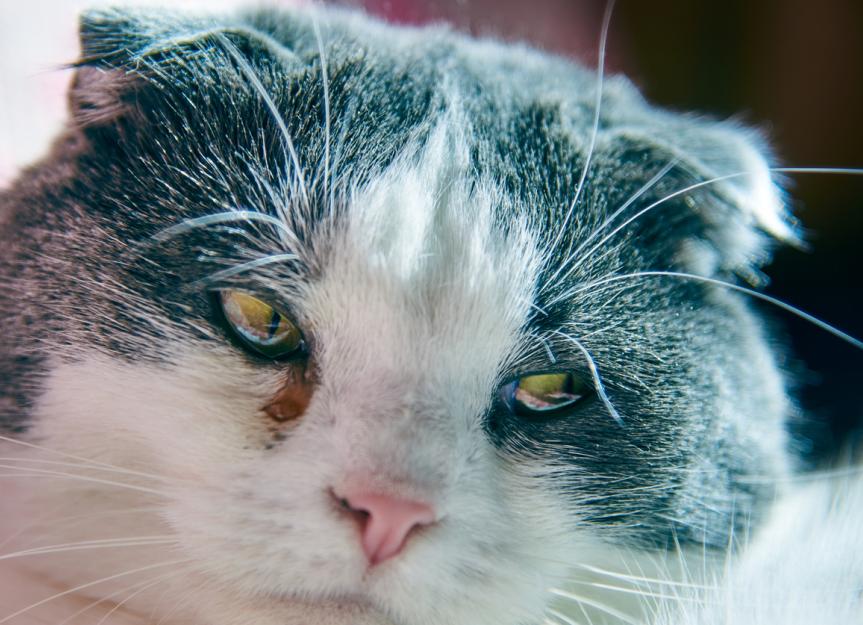
Why Does My Cat Keep Getting Sick? Understanding Congenital Immune Disorders
Here's a sobering fact that I share with owners in the exam room: even the cutest kitten can harbor a hidden vulnerability. We often assume a healthy-looking cat has a robust immune system, but sometimes, a genetic quirk can leave them defenseless. It’s heartbreaking to watch a young cat struggle with recurrent infections, and it’s often due to a primary immunodeficiency.
For Busy Owners: Congenital immunodeficiency means a cat is born with a weak immune system. This makes them prone to frequent infections. Sadly, there is no cure, but careful management and infection control can improve their quality of life.
What are Primary Immunodeficiency Disorders in Cats?
Primary immunodeficiency disorders (PIDs) in cats are genetic conditions that impair the immune system's ability to fight off infections. The immune system, a complex network of cells and proteins, constantly identifies and neutralizes threats like bacteria, viruses, and parasites. When a cat has a PID, this defense system is compromised from birth.
Think of the immune system as a highly trained army. In a cat with a PID, that army is missing key soldiers or their weapons are faulty. Unlike secondary immunodeficiencies, which arise from other diseases or medications (like feline leukemia virus or chemotherapy), PIDs are hardwired into the cat's DNA. These disorders disrupt the intricate dance of immune cells, often affecting the production or function of B lymphocytes (antibody producers) or T lymphocytes (cell-mediated immunity).
The Clinical Perspective (Biological ‘Why’)
The biological mechanisms behind PIDs are varied and complex. Some involve defects in antibody production, leaving the cat vulnerable to bacterial infections. Others affect cell-mediated immunity, increasing susceptibility to viral and fungal invaders. Some specific genetic mutations can lead to a deficiency in complement proteins, which are vital for opsonization (marking pathogens for destruction) and inflammation. From a clinical perspective, many of these disorders cause a failure of “clonal expansion” – the body’s inability to ramp up the production of immune cells when it detects a threat.
What are the Signs of a Weak Immune System in Cats? Recognizing the Symptoms of Feline Immunodeficiency
Cats with PIDs often present with a constellation of symptoms, primarily revolving around recurrent and unusual infections. These infections can manifest in various ways, affecting different organ systems. The key here is “recurrent” – a normal cat might get an occasional upper respiratory infection, but a cat with a PID is constantly battling something.
- Recurrent Infections: This is the hallmark. Expect to see frequent upper respiratory infections (sneezing, runny nose, conjunctivitis), skin infections (abscesses, pyoderma), and gastrointestinal issues (diarrhea, vomiting). These infections often fail to respond to standard antibiotic therapies.
- Lethargy: A persistently tired or weak cat should raise a red flag.
- Anorexia: Loss of appetite is a common sign of illness in cats, but in those with PIDs, it can be chronic.
- Skin Infections: Look for persistent skin problems like ringworm, mange, or unexplained sores. Don’t be surprised if you see pruritus, the vet-speak for intense itching.
- Poor Growth: This is a hallmark, especially in kittens. A kitten with a PID may be significantly smaller and less developed than its littermates.
- Post-Vaccination Illness: In rare cases, a cat with a PID may develop signs of the disease they were vaccinated against.
Home-Care Hacks (Low-cost, practical tips)
- Boost Nutrition: A high-quality diet rich in essential fatty acids and antioxidants is mission-critical.
- Minimize Stress: Stress suppresses the immune system. Provide a calm, stable environment for your cat.
- Hygiene is Key: Regularly clean food and water bowls, litter boxes, and bedding to minimize exposure to pathogens.
- Probiotics: Consider adding a probiotic supplement to your cat’s diet to support gut health, which plays a vital role in immunity.
What Causes Congenital Immunodeficiency in Cats? Understanding the Root Cause
The underlying cause of PIDs is genetics, plain and simple. These disorders are congenital, meaning the cat is born with the defect. Specific genetic mutations disrupt the normal development and function of the immune system. These mutations can be inherited from one or both parents, depending on the specific disorder.
Honestly, unraveling the exact genetic cause of a PID can be challenging. The feline genome is complex, and many different genes are involved in immune function. In some cases, the specific mutation responsible for a cat's PID may not even be known. However, the underlying principle remains the same: a genetic flaw is crippling the cat's ability to defend itself.
The Red Flag Checklist (When to panic vs. when to wait)
- Frequent Infections: More than 2-3 infections per year warrant a vet visit.
- Unresponsive Infections: Infections that don’t improve with standard treatment are a major concern.
- Severe Infections: Pneumonia, sepsis, or other life-threatening infections require immediate veterinary attention.
- Family History: If other cats in the cat’s lineage have a history of immune problems, genetic testing may be warranted.
How is Feline Immunodeficiency Diagnosed?
Diagnosing a PID requires a thorough veterinary workup, combining a detailed history, physical examination, and specialized diagnostic tests. This is not a simple process, and it often involves ruling out other more common causes of recurrent infections.
First, your veterinarian will ask detailed questions about your cat's health history, including the frequency and nature of infections, response to previous treatments, and any family history of immune problems. A complete physical examination will assess the cat's overall health status and look for any telltale signs of immune dysfunction, such as enlarged lymph nodes or skin lesions. Diagnostic tests may include a complete blood count (CBC), biochemistry profile, urinalysis, and specialized tests to evaluate immune function. These tests may assess the number and function of different immune cells, antibody levels, and the ability of the immune system to respond to challenges.
What Treatments are Available for Cats with Congenital Immune Disease?
Unfortunately, there is no cure for PIDs. The goal of treatment is to manage the symptoms, prevent infections, and support the cat's immune system as much as possible. In severe cases, hospitalization may be necessary to stabilize the cat and treat life-threatening infections. However, in many cases, cats with PIDs can be managed at home with appropriate care.
Antibiotics, antifungals, and antiviral medications are used to treat infections as they arise. Immunomodulatory drugs, such as interferon, may help to boost the immune system's response. In some cases, blood transfusions or bone marrow transplants may be considered, but these are complex and costly procedures with significant risks. The best approach is a multi-pronged strategy focusing on prevention and early intervention. I tell my clients that this is about damage control, not a cure.
Living and Management Strategies for Cats with Weak Immune Systems
The prognosis for cats with PIDs varies depending on the severity of the disorder and the cat's response to treatment. Some cats may live relatively normal lives with careful management, while others may succumb to recurrent infections despite the best efforts. You should discuss the issue of hereditary diseases with your cat’s veterinarian and how these should be prevented in future litters.
Diet is another mission-critical factor to meet your cat’s daily nutritional requirements. Exposure to infection should be minimized in those animals prone to infections due to some hereditary problem. This means keeping them indoors, away from potentially sick animals, and ensuring they are up-to-date on their vaccinations (although modified live vaccines should be used with caution). Regular veterinary checkups are also essential to monitor the cat's health and detect any early signs of infection.