

Is it Just a Cat Cold? Understanding and Treating Feline Upper Respiratory Infections
Here's a fact that might make you rethink that cute kitten sneeze: feline upper respiratory infections (URIs) are way more complex than the common cold we get. Unlike human colds, which are usually caused by rhinoviruses, cat URIs are often due to feline herpesvirus or calicivirus. And honestly, these can pack a punch, especially for our younger or immunocompromised feline friends.
For Busy Owners: Upper respiratory infections in cats are common, especially in shelters. Symptoms include sneezing, runny nose, and eye discharge. Treatment ranges from supportive care to vet-prescribed meds, with most cats recovering in about two weeks.
Why is My Cat Sneezing? Understanding Feline Upper Respiratory Infections
An upper respiratory infection (URI) in cats, often referred to as a "cat cold," involves a viral or bacterial invasion of the upper airways. These infections are highly contagious among cats, leading to symptoms like sneezing and nasal or ocular discharge. The severity can vary widely; some cats show only mild signs, while others become quite ill and lose their appetite. The key here is understanding how these pathogens hijack the cat's respiratory system.
The infection begins when a cat inhales contagious particles, which then attach to the cells lining the respiratory tract. Viruses like feline herpesvirus (FHV-1) and feline calicivirus (FCV) are masters of this. FHV-1, for instance, can cause inflammation and damage to the nasal passages and conjunctiva (the membrane lining the eyelids), leading to the classic symptoms. FCV is notorious for causing oral ulcers, which can make eating painful.
The Clinical Perspective (Biological 'Why')
From a clinical perspective, it's mission-critical to remember that these viruses can cause long-term changes. FHV-1, in particular, establishes a latent infection in the trigeminal ganglion (a nerve cluster in the head), meaning it can reactivate during times of stress. This is why some cats experience recurrent bouts of sneezing and sniffling throughout their lives. Also, remember that the immune system's response to these infections can vary wildly. Kittens, with their immature immune systems, are particularly vulnerable. And cats with underlying conditions like feline leukemia virus (FeLV) or feline immunodeficiency virus (FIV) are at a much higher risk for severe disease.
Home-Care Hacks (Low-cost, practical tips)
- Humidify: Run a humidifier or take your cat into the bathroom during a steamy shower to help loosen congestion.
- Nasal Saline: Gently flush your cat's nostrils with saline drops to clear away discharge.
- Warm Food: Offer warm, palatable food to encourage eating, as a stuffy nose can reduce their sense of smell.
The Red Flag Checklist (When to panic vs. when to wait)
- Not Eating: A loss of appetite for more than 24 hours is a red flag.
- Lethargy: If your cat is unusually tired and unresponsive, seek immediate vet care.
- Difficulty Breathing: Labored breathing or open-mouth breathing is an emergency.
What are the Key Symptoms of a Cat Cold or Feline URI?
The symptoms of a feline upper respiratory infection can range from mild to severe, depending on the specific pathogen involved and the cat's overall health. Common signs include sneezing, a runny nose, nasal congestion, and crusty eyes. You might also see green or yellow discharge from the eyes or nose, red eyes, and noisy breathing. Decreased appetite, fever, and lethargy are also frequently observed. The key is to recognize these signs early and monitor your cat closely.
Sneezing, for example, is the body's way of expelling irritants and infectious agents from the upper respiratory tract. Runny nose and nasal congestion occur due to inflammation and increased mucus production in the nasal passages. This inflammation is triggered by the release of inflammatory mediators like histamine and cytokines, which are part of the immune system's response to the infection. The green or yellow discharge indicates a secondary bacterial infection, where opportunistic bacteria take advantage of the weakened immune defenses.
Understanding Noisy Breathing in Cats with URIs
Noisy breathing, such as wheezing or crackling sounds, can indicate that the infection has spread deeper into the respiratory tract, affecting the bronchioles and lungs. This can be particularly worrisome, as it may lead to pneumonia, a severe and potentially life-threatening condition. Fever and lethargy are systemic signs, indicating that the infection is affecting the entire body. The hypothalamus, which regulates body temperature, is thrown off balance by the presence of pyrogens (fever-inducing substances) released by the immune system.
Home-Care Hacks (Low-cost, practical tips)
- Gentle Cleaning: Use a warm, damp cloth to gently clean away discharge from your cat's eyes and nose.
- Hydration: Ensure your cat has access to fresh water at all times to prevent dehydration.
- Isolation: If you have multiple cats, isolate the infected cat to prevent the spread of the infection.
The Red Flag Checklist (When to panic vs. when to wait)
- Severe Discharge: Copious amounts of thick, discolored discharge warrant a vet visit.
- Open-Mouth Breathing: This is a critical sign of respiratory distress and requires immediate veterinary attention.
- Seizures: Though rare, seizures can occur in severe cases and are an emergency.
What Causes Feline Upper Respiratory Infections (URIs)? Is it Contagious?
Feline upper respiratory infections are most often caused by viral infections, bacterial infections, or a combination of both. Over 90% of these infections are attributed to either feline herpesvirus-1 (FHV-1) or feline calicivirus (FCV). These pathogens are highly contagious and spread through direct contact, shared resources, or airborne droplets. Understanding the specific causes and transmission routes is mission-critical for effective prevention and management.
FHV-1, also known as feline viral rhinotracheitis (FVR), is the most prevalent cause of URIs in cats. It's estimated that a staggering 97% of cats will be exposed to FHV-1 at some point in their lives. The virus targets the cells lining the upper respiratory tract, causing inflammation and damage. After the initial infection, FHV-1 establishes latency in the trigeminal ganglion, a cluster of nerve cells in the head. This means the virus remains dormant in the cat's body and can reactivate during times of stress, leading to recurrent symptoms.
Calicivirus: The Other Common Culprit in Cat Colds
Calicivirus is the second most common viral cause of URIs in cats. Unlike FHV-1, FCV is more prone to causing oral ulcers, which can be extremely painful and lead to decreased appetite and drooling. FCV also exhibits a high degree of antigenic variation, meaning it can mutate rapidly and evade the immune system. This makes it challenging to develop effective vaccines that provide broad protection against all strains of FCV.
The Clinical Perspective (Biological 'Why')
From a biological perspective, it's important to note that these viruses can disrupt the delicate balance of the respiratory microbiome, the community of microorganisms that reside in the respiratory tract. This disruption can lead to secondary bacterial infections, further exacerbating the symptoms. Additionally, the immune system's response to these infections can vary depending on the cat's age, immune status, and overall health. Kittens, with their immature immune systems, are particularly susceptible to severe disease.
Home-Care Hacks (Low-cost, practical tips)
- Hygiene: Regularly clean and disinfect food and water bowls, litter boxes, and bedding to prevent the spread of infection.
- Ventilation: Ensure good ventilation in your home to reduce the concentration of airborne pathogens.
- Stress Reduction: Minimize stress in your cat's environment to reduce the likelihood of viral reactivation.
The Red Flag Checklist (When to panic vs. when to wait)
- Rapid Deterioration: If your cat's condition worsens rapidly, seek immediate veterinary attention.
- Neurological Signs: Any signs of neurological dysfunction, such as seizures or incoordination (ataxia), are an emergency.
- Pregnancy: Pregnant cats with URIs require careful monitoring and treatment to prevent complications.
How is a Feline Upper Respiratory Infection Diagnosed?
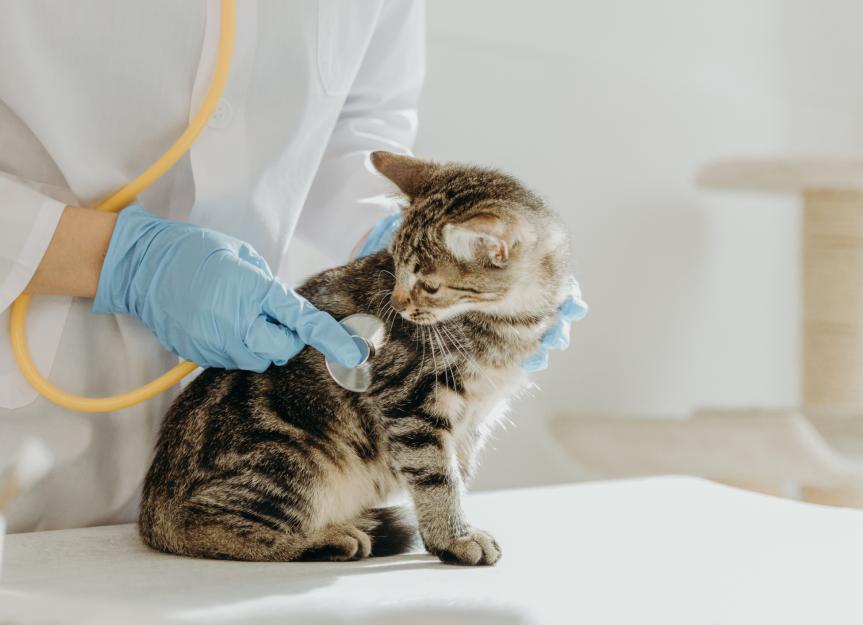
Veterinarians typically diagnose upper respiratory infections in cats through a thorough physical examination. They will assess the cat's eyes, ears, and nostrils for signs of inflammation and discharge. Palpation of the lymph nodes helps detect any swelling, and auscultation (listening with a stethoscope) of the lungs can reveal abnormal sounds. The vet will also measure the pet's temperature. Further diagnostic tests may be recommended based on the severity of the symptoms and the cat's overall health.
During the physical exam, your vet is looking for key indicators. For example, excessive tearing (epiphora) and squinting (blepharospasm) can suggest corneal ulceration, a common complication of FHV-1 infection. Swollen lymph nodes (lymphadenopathy) indicate an active immune response. Abnormal lung sounds, such as crackles or wheezes, may suggest pneumonia or bronchitis. These findings, combined with the cat's history and clinical signs, help the vet narrow down the possible causes of the URI.
The Clinical Perspective (Biological 'Why')
From a biological perspective, diagnostic testing is crucial for differentiating between viral and bacterial infections, as well as ruling out other underlying conditions. Feline leukemia virus (FeLV) and feline immunodeficiency virus (FIV) testing is often recommended, as these viruses can weaken the immune system and make cats more susceptible to URIs. Radiographs (X-rays) can help assess the lungs for signs of pneumonia or other respiratory complications. Blood work can provide valuable information about the cat's overall health and immune status.
Home-Care Hacks (Low-cost, practical tips)
- Detailed History: Provide your veterinarian with a detailed history of your cat's symptoms, including when they started, how often they occur, and any potential exposures to other cats.
- Video Documentation: Capture videos of your cat's sneezing, coughing, or noisy breathing to show your veterinarian.
- Medication List: Bring a list of any medications or supplements your cat is currently taking.
The Red Flag Checklist (When to panic vs. when to wait)
- Persistent Symptoms: If your cat's symptoms persist for more than a week despite home care, seek veterinary attention.
- Sudden Worsening: A sudden worsening of symptoms, such as increased respiratory distress or lethargy, is an emergency.
- Underlying Conditions: Cats with pre-existing health conditions, such as diabetes or kidney disease, require close monitoring and prompt veterinary care.
How are Cat Colds Treated? What Are My Options?
Treatment for feline upper respiratory infections varies depending on the severity of the symptoms and the underlying cause. Mild cases may resolve on their own with supportive care, while more severe cases may require medications such as eye drops, antibiotics, or anti-inflammatory drugs. It's important to consult with your veterinarian to determine the most appropriate treatment plan for your cat.
In mild cases, supportive care focuses on keeping the cat comfortable and hydrated. This includes providing a warm, quiet environment, offering palatable food, and ensuring access to fresh water. Nasal saline drops can help clear congestion and make breathing easier. Gently wiping away discharge from the eyes and nose can also improve comfort. For cats with decreased appetite, warming the food slightly can enhance its aroma and encourage eating.
The Clinical Perspective (Biological 'Why')
From a clinical perspective, it's important to address both the primary infection and any secondary complications. Antibiotics are often prescribed if a bacterial infection is suspected, either as the primary cause or as a secondary invader. Eye drops containing antibiotics or antivirals can help treat conjunctivitis and corneal ulcers. Anti-inflammatory drugs, such as NSAIDs (non-steroidal anti-inflammatory drugs), can reduce fever and pain. In severe cases, hospitalization and intravenous fluids may be necessary to provide intensive care.
Home-Care Hacks (Low-cost, practical tips)
- Lysine Supplementation: Lysine is an amino acid that may help suppress FHV-1 replication. Consult with your veterinarian before starting lysine supplementation.
- Probiotics: Probiotics can help support the immune system and promote a healthy gut microbiome.
- Essential Oil Diffusers: Avoid using essential oil diffusers around cats, as some essential oils can be toxic.
The Red Flag Checklist (When to panic vs. when to wait)
- Medication Side Effects: Monitor your cat for any signs of medication side effects, such as vomiting, diarrhea, or loss of appetite.
- Lack of Improvement: If your cat's symptoms do not improve after a few days of treatment, contact your veterinarian.
- Drug Interactions: Inform your veterinarian about any other medications or supplements your cat is taking to avoid potential drug interactions.
How Can I Help My Cat Recover from a URI?
Recovery from a feline upper respiratory infection typically takes one to two weeks. During this time, it's mission-critical to provide supportive care to help your cat heal. This includes keeping their airways moist, encouraging them to eat, and supporting their immune system. Remember, a stressed cat is a slower-healing cat. So, create a calm and comfortable environment to speed up the recovery process.
Keeping your cat's airways moist can help loosen congestion and make breathing easier. You can achieve this by keeping them in the bathroom while you shower, allowing them to breathe in the steamy air for a few minutes. Alternatively, you can use a humidifier or nebulizer to create a moist environment. Infant saline nose drops can also help moisten the airways, but be gentle and avoid forcing them if your cat resists.
The Clinical Perspective (Biological 'Why')
From a clinical perspective, it's important to address any underlying immune deficiencies that may be hindering recovery. Probiotic supplementation can help restore a healthy gut microbiome, which plays a crucial role in immune function. Lysine supplementation may help suppress FHV-1 replication. In some cases, immunostimulant medications may be prescribed to boost the immune system. However, these medications should be used cautiously and under the guidance of a veterinarian.
Home-Care Hacks (Low-cost, practical tips)
- Elevated Food Bowls: Elevate your cat's food bowls to make eating easier, especially if they have nasal congestion.
- Warm Compresses: Apply warm compresses to your cat's eyes to help relieve crusting and discomfort.
- Pheromone Therapy: Use feline pheromone diffusers to reduce stress and promote relaxation.
The Red Flag Checklist (When to panic vs. when to wait)
- Dehydration: Signs of dehydration, such as sunken eyes or decreased skin elasticity, require immediate veterinary attention.
- Worsening Cough: A worsening cough or the development of new respiratory symptoms should be evaluated by a veterinarian.
- Neurological Changes: Any changes in your cat's neurological status, such as seizures or incoordination, are an emergency.
How Can I Prevent My Cat From Getting a URI?
Vaccination is a mission-critical strategy for preventing feline upper respiratory infections. While vaccination doesn't always prevent infection entirely, it can significantly lessen the severity of symptoms if your cat is exposed to a pathogen. The FVRCP vaccine, recommended for kittens and most adult cats, protects against many of the most common viruses that cause URIs. Think of it as building a shield around your cat's respiratory system.
FVRCP stands for feline viral rhinotracheitis (FVR), calicivirus (C), and panleukopenia (P). FVR, also known as feline herpesvirus, is the most common respiratory virus in cats. Calicivirus is the second most common, often causing oral ulcers in addition to respiratory symptoms. Panleukopenia, also known as feline distemper, is a highly contagious and potentially fatal disease that affects the immune system.
The Clinical Perspective (Biological 'Why')
From a clinical perspective, it's important to understand how vaccines work. Vaccines stimulate the immune system to produce antibodies, which are specialized proteins that recognize and neutralize pathogens. When a vaccinated cat is exposed to a virus or bacterium, the antibodies bind to the pathogen and prevent it from infecting cells. This reduces the severity of the infection and helps the cat recover more quickly. However, it’s important to remember that vaccine-induced immunity is not always perfect. Some cats may still develop mild symptoms despite being vaccinated.
Home-Care Hacks (Low-cost, practical tips)
- Boost Immune System: Consider immune-boosting supplements like L-lysine, especially in multi-cat households.
- Reduce Stress: Minimize stress through environmental enrichment, like scratching posts and playtime.
- Quarantine New Cats: Always quarantine new cats for at least two weeks to monitor for any signs of illness.
The Red Flag Checklist (When to panic vs. when to wait)
- Vaccine Reactions: Monitor for any signs of vaccine reaction, such as fever, lethargy, or swelling at the injection site.
- Breakthrough Infections: Be aware that vaccinated cats can still get URIs, so don't ignore respiratory symptoms.
- Consult Your Vet: Always consult with your veterinarian about the best vaccination schedule for your cat.
Upper Respiratory Infection in Cats FAQs
How do I treat my cat’s upper respiratory infection?
While many upper respiratory infections will clear up on their own, some may need medicated eye drops or oral antibiotics. A vet visit is vital for proper diagnosis.
Can a cat survive an upper respiratory infection?
Most cats will survive getting an upper respiratory infection and have a full recovery, especially with prompt veterinary care and supportive home care.
How long does it take a cat to get rid of an upper respiratory infection?
Most upper respiratory infections clear up after a couple weeks, but complications can prolong the recovery. Stick to your vet's recommendations.
Is a cat’s upper respiratory infection contagious to humans?
Cat upper respiratory infections are not generally considered contagious to humans. However, practice good hygiene when handling sick animals.