

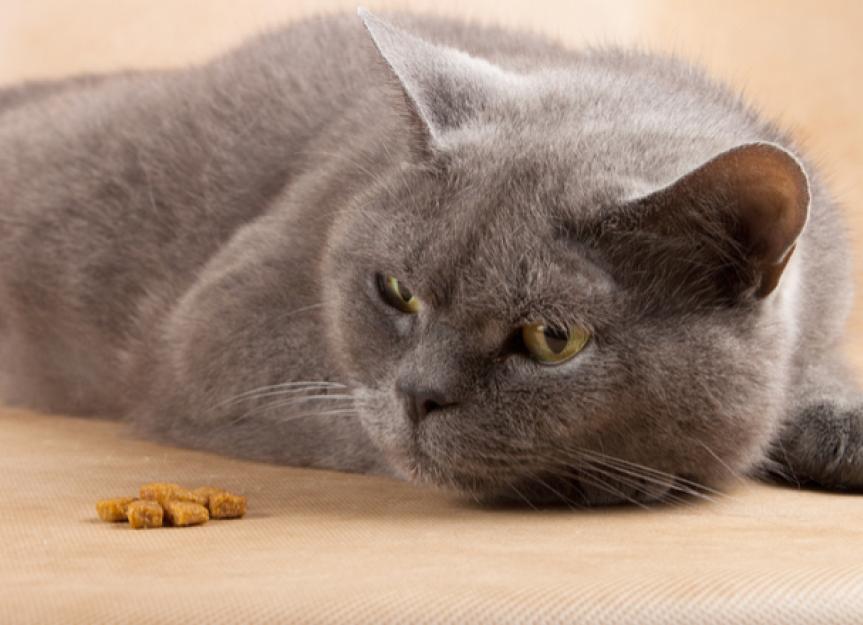
My Cat Won't Eat: Anorexia, Weight Loss, and When to Panic
Here's a weird truth from the exam room: Cats can go longer without water than without food. It flies in the face of what most owners assume. The reason is tied to their obligate carnivore status and how their liver metabolizes fat. Prolonged anorexia triggers a cascade of deadly events.
Busy Owners: A cat refusing to eat for even 24 hours is a red flag. Anorexia in cats can quickly lead to severe liver damage (hepatic lipidosis). Don't delay seeking veterinary help, especially if your cat is overweight or showing other signs of illness.
Why is My Cat Suddenly Not Eating? Understanding Feline Anorexia
Feline anorexia, or a complete lack of appetite, is a non-specific symptom that can point to a wide range of underlying issues. It's mission-critical to understand that cats are masters of disguise when it comes to illness. Even a seemingly minor change in appetite warrants immediate attention. The biological 'why' often involves the body's stress response, triggering the release of cortisol. Chronically elevated cortisol suppresses appetite and impairs immune function.
How Long Should I Wait to See a Vet About My Cat's Anorexia?
Honestly, waiting is a gamble. While some cats are naturally picky eaters, a sudden and complete refusal to eat for 24-36 hours demands a vet visit. The risk of hepatic lipidosis, a life-threatening liver condition, increases dramatically with each passing day of anorexia. What I tell my clients is this: "When in doubt, check it out." It's always better to be safe than sorry, especially when dealing with a cat's sensitive metabolism. Remember, early intervention significantly improves the chances of a full recovery.
What are the Dangers of Sudden Weight Loss in Cats? The Hepatic Lipidosis Threat
Sudden weight loss in cats, particularly in overweight cats, carries a significant risk of hepatic lipidosis. When a cat stops eating, the body begins to break down stored fat for energy. In obese cats, this process overwhelms the liver's capacity to process the large influx of fatty acids. The liver cells become engorged with fat, leading to liver dysfunction and, eventually, liver failure. This condition is known as hepatic lipidosis, and it can be fatal if not treated promptly. What's happening at the cellular level? The excess fat accumulation disrupts mitochondrial function, impairing the liver's ability to detoxify and synthesize essential proteins.
Dehydration in Cats: Why It's a Veterinary Emergency
Dehydration is another critical concern when a cat isn't eating or drinking properly. Even with adequate water intake, vomiting or diarrhea can rapidly lead to dehydration. Dehydration impairs circulation, reduces kidney function, and disrupts electrolyte balance. At the cellular level, dehydration reduces the efficiency of cellular respiration and waste removal. The longer a cat remains dehydrated, the more challenging it becomes to correct the fluid deficit and restore normal physiological function. This is why intravenous fluid therapy is often a non-negotiable part of treating anorexic cats.
What are the Physical Signs of a Life-Threatening Emergency in Cats?
Beyond a lack of appetite, there are several physical signs that indicate a life-threatening emergency in cats. These include: significant weight loss (easily felt ribs and spine), sunken eyes (indicating dehydration), jaundice (yellowing of the eyes and gums, a sign of liver dysfunction), lethargy (extreme weakness and lack of energy), and vomiting or diarrhea. The biological reason behind these signs? Weight loss reflects muscle wasting and fat depletion. Sunken eyes are a direct result of fluid loss. Jaundice indicates bilirubin accumulation due to impaired liver function. And lethargy stems from a combination of malnutrition, dehydration, and toxin buildup in the bloodstream.
Home-Care Hacks: Simple Tricks to Tempt a Finicky Cat to Eat
Before rushing to the vet, you can try a few home-care hacks to stimulate your cat's appetite. First, offer highly palatable, easily digestible foods such as baby food (meat-only, no onion or garlic) or tuna in water. Warming the food slightly can also enhance its aroma and make it more appealing. You can also try hand-feeding your cat or offering food from a spoon. If your cat has nasal congestion, gently clear the nasal passages with a saline solution to improve their sense of smell. These are temporary measures and do not replace veterinary care.
Red Flag Checklist: When is My Cat's Anorexia an Emergency?
Here's the deal: if your cat exhibits any of the following red flags, seek immediate veterinary attention: complete anorexia for more than 24 hours, significant weight loss, sunken eyes, jaundice, lethargy, vomiting, diarrhea, or any other signs of illness. Remember, early intervention is critical for a positive outcome. Don't delay seeking professional help if you're concerned about your cat's health.
Long-Tail: Can Stress Cause My Cat to Stop Eating?
Yes, stress can absolutely cause a cat to stop eating. Cats are creatures of habit, and any change in their environment or routine can trigger stress and anxiety. Common stressors include moving to a new home, introducing a new pet or family member, changes in feeding schedule, or even loud noises. Stress increases cortisol levels, which can suppress appetite and impair digestive function. Minimize stress by providing a safe and comfortable environment, maintaining a consistent routine, and using calming pheromone diffusers.
Long-Tail: What Kind of Food is Best for a Cat Not Eating?
When a cat isn't eating, the most non-negotiable thing is to get them to eat *something*. The ideal food is highly palatable, easily digestible, and nutritionally complete. Prescription diets designed for gastrointestinal support are often a good choice. These diets are typically low in fiber and high in protein and fat, making them easy for the cat to digest and absorb. If you don't have access to a prescription diet, try offering baby food (meat-only), tuna in water, or boiled chicken breast. Avoid foods that are high in carbohydrates or contain artificial additives.
Long-Tail: My Cat is Anorexic But Still Drinking Water, Is That Okay?
While it's good that your cat is still drinking water, it doesn't negate the need for veterinary attention. Anorexia, even with adequate water intake, can still lead to hepatic lipidosis and other serious health problems. Furthermore, some underlying conditions, such as diabetes mellitus, can increase thirst, giving a false sense of security. A cat that is anorexic but still drinking water needs a thorough veterinary examination to determine the underlying cause of the anorexia and rule out any life-threatening conditions.