

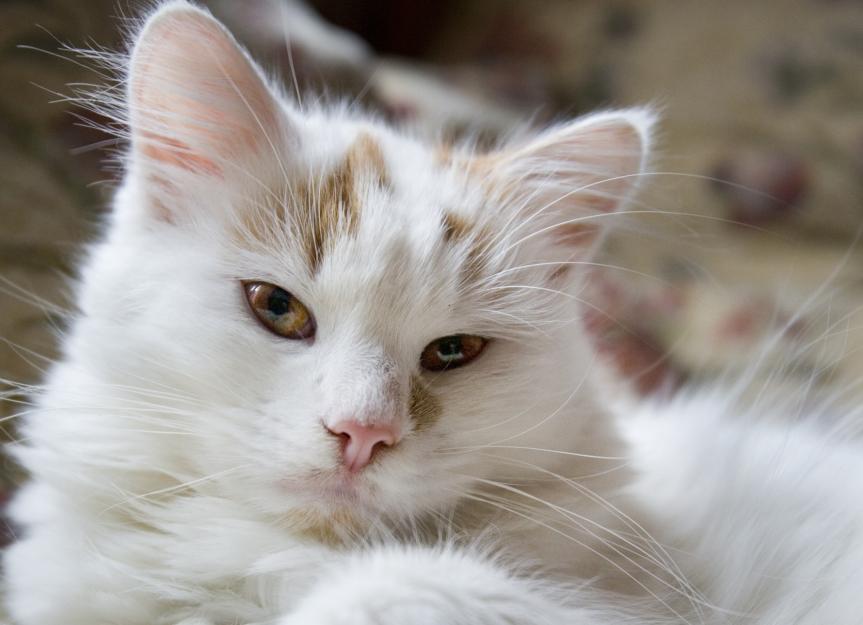
The Turkish Van: Everything You Need to Know About the 'Swimming Cat'
Here's a weird fact I tell clients in the exam room: not all cats hate water. The Turkish Van is proof. Originating near Lake Van in Turkey, this breed is nicknamed the "swimming cat" because, honestly, they seem to enjoy a dip. They're also smart and playful, almost dog-like in their behavior.
For Busy Owners: The Turkish Van is an active and intelligent breed known for its love of water. They need plenty of playtime and mental stimulation to prevent unwanted behaviors. Regular grooming and vet checkups are also mission-critical to keep them healthy and happy.
Why is the Turkish Van Called the 'Swimming Cat'?
The Turkish Van earned its nickname because, unlike most cats, it seems to genuinely enjoy water. This isn't just tolerance; some Vans actively seek out opportunities to splash and swim. This behavior might be linked to their origin in the Lake Van region, where they may have needed to enter the water to hunt for food or escape predators. This is in stark contrast to most domestic felines, who avoid water due to the rapid heat loss that occurs when their fur gets wet, causing a drop in core body temperature.
Caring for a Turkish Van: Creating a Vertical Playground
Turkish Vans are energetic cats that need plenty of exercise and mental stimulation. To prevent them from scaling your curtains or using your furniture as a jungle gym, provide them with ample opportunities to play, jump, and climb. Cat trees, scratching posts, and wall-mounted shelves are non-negotiable for this breed. Actually, if you get a Turkish Van, expect them to explore every nook and cranny of your home.
The Clinical Perspective: This urge to climb and explore is driven by their natural hunting instincts and a need to survey their territory. Cats are ambush predators, and a high vantage point allows them to observe their surroundings and identify potential prey (or, you know, dust bunnies).
Home-Care Hacks: Rotate their toys regularly to keep them interested. Try puzzle feeders to engage their minds while they eat. And consider a cat water fountain; they might just enjoy splashing around in it.
Red Flag Checklist: If your Turkish Van is suddenly lethargic or uninterested in playing, it could be a sign of an underlying health issue. Also, watch out for destructive behaviors like excessive scratching or spraying, which can indicate stress or anxiety.
Understanding the Turkish Van Coat: Why Does it Change Seasonally?
The Turkish Van's coat is unique in that it changes dramatically with the seasons. In the winter, they grow a thick, luxurious coat with a full chest ruff and even fur between their toes. In the summer, their coat becomes short and light. This seasonal change is an adaptation to the harsh climate of their native region, where winters are cold and summers are hot.
The Clinical Perspective: This coat change is driven by hormonal fluctuations in response to changes in day length. As daylight hours decrease in the fall, the pineal gland produces more melatonin, which stimulates hair follicles to produce a thicker coat. The opposite happens in the spring as daylight hours increase.
Home-Care Hacks: Invest in a good quality slicker brush to help remove loose fur during shedding season. You might also want to consider a de-shedding shampoo to help loosen dead hair.
Red Flag Checklist: Excessive shedding or bald patches can be a sign of skin allergies, parasites, or other health problems. Consult your veterinarian if you notice any abnormalities in your cat's coat.
Are Turkish Vans Prone to Specific Health Issues? What Should I Watch For?
While Turkish Vans are generally a healthy breed thanks to natural selection, they can still develop common cat illnesses. Dental disease is extremely common, with up to 90% of cats over age four showing some form of it. Obesity is another concern, affecting around 50% of cats. Regular vet checkups are mission-critical to catch these issues early.
The Clinical Perspective: Dental disease in cats is often caused by the accumulation of plaque and tartar, which leads to inflammation and infection of the gums (gingivitis) and surrounding tissues (periodontitis). Obesity, on the other hand, is typically the result of overfeeding and lack of exercise, leading to an accumulation of excess body fat and increased risk of diabetes, arthritis, and other health problems.
Home-Care Hacks: Brush your cat's teeth regularly with cat-safe toothpaste to prevent dental disease. Provide daily interactive play and carefully portion their meals to prevent obesity.
Red Flag Checklist: Bad breath, drooling, and difficulty eating are all signs of dental disease. Weight gain, lethargy, and increased appetite can indicate obesity. Contact your veterinarian if you notice any of these symptoms.What's the Best Diet for a Turkish Van? Nutritional Needs Explained
Turkish Vans should eat a high-quality cat food that is formulated for their age and activity level. Look for a food that meets the recommendations set by the Association of American Feed Control Officials (AAFCO). Avoid free-feeding, as this can lead to weight gain. Instead, feed them two or more small meals per day.
The Clinical Perspective: AAFCO-compliant cat foods contain all the essential nutrients that cats need to thrive, including protein, fat, carbohydrates, vitamins, and minerals. The specific nutrient requirements vary depending on the cat's age, activity level, and health status. For example, kittens need more protein and calories than adult cats to support their rapid growth and development.
Home-Care Hacks: Consider adding wet food to your cat's diet to increase their water intake, especially if they are prone to urinary problems. You can also use puzzle feeders to make mealtime more engaging.
Red Flag Checklist: Vomiting, diarrhea, and loss of appetite can indicate a food allergy or intolerance. Consult your veterinarian if you notice any of these symptoms.
Training a Turkish Van: Harness Training and Fun Activities
Turkish Vans are intelligent and trainable cats. They can be taught to do all sorts of tricks, from fetching toys to walking on a harness and leash. The key is to use positive reinforcement, such as praise and treats. Keep training sessions short and fun to maintain their interest.
The Clinical Perspective: Positive reinforcement works by associating a desired behavior with a reward, which makes the cat more likely to repeat that behavior in the future. This is based on the principles of operant conditioning, which is a fundamental learning process in animals.
Home-Care Hacks: Start harness training early, when your cat is still a kitten. Use a comfortable, well-fitting harness and gradually introduce them to wearing it. Reward them with treats and praise when they are wearing the harness and behaving calmly.
Red Flag Checklist: If your cat is resistant to training or shows signs of stress, stop the session and try again later. Never force your cat to do something they don't want to do.
Turkish Van Grooming Guide: Managing That Seasonal Coat
Turkish Vans are relatively low-maintenance when it comes to grooming. They are low shedders most of the year, and their fur doesn't tend to mat. However, they do have a heavy shedding period when they transition from their winter to summer coats. Brushing a few times a week will help manage loose fur.
The Clinical Perspective: Regular brushing helps to remove dead hair and prevent mats from forming. It also stimulates blood flow to the skin, which promotes healthy hair growth. In addition, grooming provides an opportunity to check your cat for any signs of skin problems, such as fleas, ticks, or skin lesions.
Home-Care Hacks: Use a good quality slicker brush or de-shedding tool to remove loose fur. You can also give your cat a bath to help loosen dead hair.
Red Flag Checklist: Excessive scratching, licking, or biting can indicate skin irritation or allergies. Consult your veterinarian if you notice any of these symptoms.