

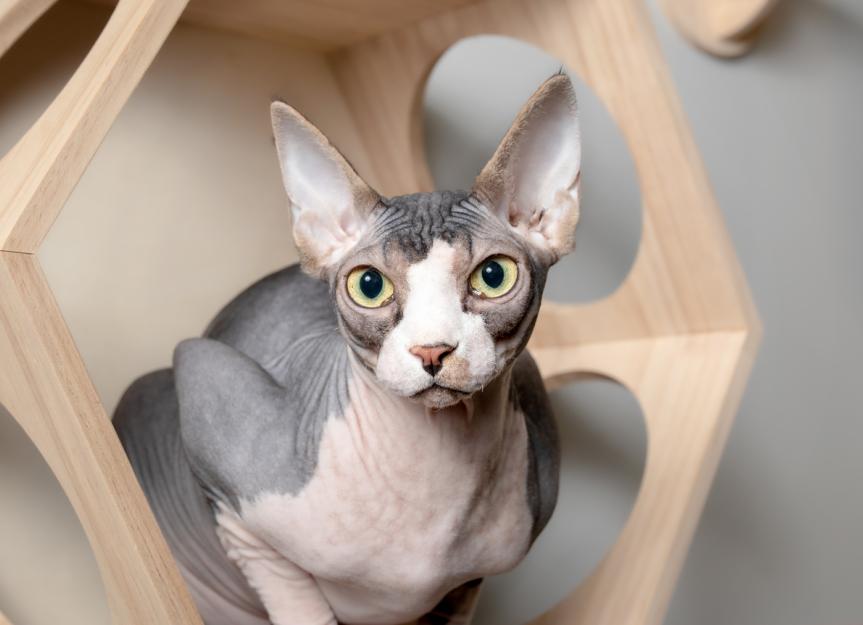
The Naked Truth: Expert Guide to Raising a Healthy Sphynx Cat
Here's a myth buster straight from the exam room: Just because they lack fur doesn't mean Sphynx cats are low-maintenance. In fact, their unique physiology demands an owner who's ready to commit to a specialized care routine. Think of them as the high-performance sports car of the feline world—gorgeous, but requiring meticulous attention.
For Busy Owners: Sphynx cats need regular baths to manage oily skin. They are prone to specific health issues like ear infections and HCM. Due to their social nature, they thrive on attention and interaction.
Why is Sphynx Cat Skin Care So Mission-Critical?
Sphynx cats lack a traditional fur coat, making their skin vulnerable. Without fur to absorb oils and protect against environmental factors, they need frequent bathing. This is crucial to prevent skin issues. Neglecting this can lead to secondary infections and discomfort.
The biological reason for this lies in the sebaceous glands. In normal cats, fur distributes sebum, the oily secretion that waterproofs and conditions the coat. Sphynx cats, however, accumulate sebum directly on the skin. This creates a breeding ground for bacteria and yeast, leading to conditions like *Malassezia* dermatitis (a type of yeast infection) and bacterial folliculitis. I can't tell you how many times I've seen this in the exam room.
The Clinical Perspective (Biological 'Why')
Consider the skin as the largest organ, a barrier against the outside world. In Sphynx cats, this barrier is compromised. Their skin has a higher transepidermal water loss (TEWL), meaning they lose moisture more rapidly than furred cats. This is why owners often complain of flaky, dry skin despite frequent bathing. Think of it like this: their skin is constantly trying to compensate for the lack of a protective fur coat.
Home-Care Hacks (Low-Cost, Practical Tips)
- Bath Time Essentials: Use a hypoallergenic, pH-balanced shampoo. Human shampoos are a no-go; they strip the skin of essential oils.
- The 'Peach Fuzz' Test: Aim for a bathing frequency that keeps their skin feeling like a slightly damp peach—not oily, not dry. This usually translates to once a week.
- DIY Skin Soothers: A diluted apple cider vinegar rinse (1 part vinegar to 10 parts water) can help restore the skin's acid mantle, acting as a natural antibacterial.
The Red Flag Checklist (When to Panic vs. When to Wait)
- Red Flags: Excessive scratching (pruritus), redness, pustules, foul odor, or greasy discharge. These warrant an immediate vet visit.
- Wait-and-See: Mild flakiness that resolves within a day or two after bathing is usually not a cause for alarm.
Why Does My Sphynx Cat Always Have Ear Infections? Understanding Aural Care
Sphynx cats are prone to ear infections due to their large, open ear canals and lack of fur. Without fur to trap debris, dirt and wax accumulate, creating a breeding ground for bacteria and yeast. Regular cleaning is non-negotiable to prevent otitis externa (inflammation of the external ear canal).
The lack of hair inside the ear canal means there's no natural barrier against the migration of microbes. Furthermore, many Sphynx cats have narrower ear canals than their furred counterparts, hindering natural debris expulsion. This combination makes them prime candidates for chronic ear issues. What I tell my clients: cleaning is key!
The Clinical Perspective (Biological 'Why')
The ear canal is a self-cleaning ecosystem. Cerumen (earwax) traps debris, and the movement of the jaw helps to push it outwards. But in Sphynx cats, this system often fails. The absence of fur means more debris enters the canal. The increased humidity and temperature within the ear canal—especially in warm climates—favor the growth of opportunistic pathogens like *Malassezia* and *Staphylococcus*.
Home-Care Hacks (Low-Cost, Practical Tips)
- The Weekly Ritual: Use a vet-approved ear cleaner once a week. Avoid cotton swabs, which can push debris further into the canal. Instead, use a liquid ear cleaner and gently massage the base of the ear.
- The 'Sniff Test': A healthy ear should have no odor. A foul smell is a telltale sign of infection.
- Dietary Considerations: Some ear infections are linked to food allergies. Consider a hypoallergenic diet if your Sphynx has recurrent issues.
The Red Flag Checklist (When to Panic vs. When to Wait)
- Red Flags: Head shaking, scratching at the ears, discharge (especially if it's dark or smelly), pain upon touching the ears, or loss of balance (ataxia). These are all reasons to see a vet ASAP.
- Wait-and-See: A small amount of dry wax is usually normal and can be managed with routine cleaning.
Why is My Sphynx Cat Always Hungry? Understanding Their Unique Metabolism & Feeding Needs
Sphynx cats often seem perpetually hungry due to their higher metabolism. Maintaining body temperature without fur requires more energy. They need a high-quality diet rich in protein and fat to meet their caloric demands and sustain their active lifestyle.
The biological explanation is rooted in thermoregulation. Normal cats use their fur as insulation, reducing heat loss. Sphynx cats, lacking this insulation, must generate more heat internally. This requires a higher basal metabolic rate (BMR), which translates to increased energy consumption. They are, in essence, always 'burning' more calories just to stay warm. And here's the deal: they love to eat!
The Clinical Perspective (Biological 'Why')
Think of it this way: their bodies are working overtime. The thyroid gland, responsible for regulating metabolism, is often more active in Sphynx cats. While not necessarily hyperthyroidism, this increased activity contributes to their voracious appetite. Also, their muscle mass tends to be higher than other breeds, further increasing their energy requirements.
Home-Care Hacks (Low-Cost, Practical Tips)
- Portion Control is Mission-Critical: Free-feeding is a recipe for obesity. Measure out meals according to your vet's recommendations.
- High-Quality Fuel: Choose a cat food with a high percentage of animal protein (at least 30%) and moderate fat (15-20%).
- Puzzle Feeders: These slow down eating and provide mental stimulation, preventing boredom-related overeating.
The Red Flag Checklist (When to Panic vs. When to Wait)
- Red Flags: Rapid weight gain despite a normal appetite, lethargy, or difficulty breathing. These could indicate underlying health problems.
- Wait-and-See: Occasional begging for food is normal, especially around meal times.
What are the Genetic Health Problems in Sphynx Cats?
Sphynx cats are prone to certain genetic health problems, including Hypertrophic Cardiomyopathy (HCM) and dental disease. Reputable breeders screen for these conditions. Early detection and preventative measures are crucial for managing these risks and ensuring a long, healthy life.
The prevalence of HCM is linked to specific gene mutations. These mutations cause thickening of the heart muscle, reducing its efficiency. Similarly, their predisposition to dental disease is related to genetic factors affecting tooth enamel formation and jaw structure. When buying a kitten, always verify genetic testing results.
The Clinical Perspective (Biological 'Why')
HCM, at a cellular level, involves the abnormal proliferation of cardiac muscle cells (myocytes). This leads to increased heart mass and decreased chamber size. In dental disease, genetic defects can disrupt the normal process of amelogenesis (enamel formation), resulting in weakened teeth that are more susceptible to decay.
Home-Care Hacks (Low-Cost, Practical Tips)
- Annual Check-Ups: Regular veterinary exams are crucial for early detection of heart and dental problems.
- Dental Hygiene: Brush your Sphynx's teeth daily with a cat-specific toothpaste.
- Weight Management: Obesity exacerbates heart problems. Keep your cat at a healthy weight.
The Red Flag Checklist (When to Panic vs. When to Wait)
- Red Flags: Difficulty breathing, lethargy, coughing, or fainting spells (signs of HCM). Bad breath, excessive drooling, or difficulty eating (signs of dental disease).
- Wait-and-See: Occasional mild tartar build-up can often be addressed with professional dental cleaning.
Home Environment Enrichment for a Hairless Cat Breed: Keeping Them Warm & Happy
Sphynx cats need a warm, enriched indoor environment. They lack fur for insulation, so provide sweaters, blankets, and heated beds. Mental stimulation is equally important. Offer climbing structures, interactive toys, and plenty of attention to keep them happy and engaged.
Without fur, Sphynx cats are more susceptible to temperature fluctuations. Their bodies must work harder to maintain a stable internal temperature. This is why they seek out warm spots and often cuddle under blankets. A stimulating environment prevents boredom and stress, which can compromise their immune system. Honestly, they are like little furry (well, not furry) toddlers.
The Clinical Perspective (Biological 'Why')
Chronic cold exposure can lead to increased cortisol (stress hormone) levels, suppressing the immune system and making them more vulnerable to infections. A lack of mental stimulation can lead to behavioral problems like destructive scratching or excessive vocalization. These behaviors are often coping mechanisms for boredom and anxiety.
Home-Care Hacks (Low-Cost, Practical Tips)
- Cozy Comfort: Provide multiple warm bedding options, including heated beds or self-warming blankets.
- Vertical Space: Cat trees and shelves allow them to climb and explore, satisfying their natural instincts.
- Interactive Play: Spend at least 15-20 minutes each day playing with your Sphynx using wand toys or puzzle feeders.
The Red Flag Checklist (When to Panic vs. When to Wait)
- Red Flags: Shivering, lethargy, hiding, or a decreased appetite (signs of cold stress). Excessive vocalization, destructive behavior, or aggression (signs of boredom or anxiety).
- Wait-and-See: Occasional napping under a blanket is normal, especially during colder months.
Sphynx Cat FAQs
Are Sphynx cats truly hypoallergenic?
No cat breed is truly hypoallergenic. While Sphynx cats produce less dander than furred breeds, they still produce allergens in their saliva and skin. Spend time with a Sphynx before bringing one home to assess your allergic reaction.
Do Sphynx cats get cold easily?
Yes, Sphynx cats get cold easily due to their lack of fur. Provide them with warm bedding, sweaters, and a heated environment, especially during colder months.
How often should I bathe my Sphynx cat?
Most Sphynx cats need a bath about once a week. However, the frequency depends on the individual cat's skin. If their skin feels oily, they need more frequent baths. If it's dry, reduce the frequency.
What should I feed my Sphynx cat?
Feed your Sphynx cat a high-quality diet rich in protein and fat. They have a higher metabolism than most other cat breeds and need more calories to maintain their body temperature and energy levels.