

Are Tonkinese Cats the Purrfect Breed for YOU? (2024 Guide)
Here's a truth bomb from the exam room: that 'hypoallergenic' cat your friend swore by? Yeah, probably not. No cat is truly hypoallergenic, but the Tonkinese, with its low-shedding coat, often gets unfairly lumped into that category. Don't be fooled; allergies are about proteins, not fur length.
For Busy Owners: Tonkinese cats are a mix of Siamese and Burmese, known for being playful and affectionate. They have a medium build and come in various coat patterns. These cats need regular grooming and are prone to specific health issues like dental disease and kidney problems.
What Exactly IS a Tonkinese Cat? A Breed Overview
The Tonkinese, affectionately known as “Tonks,” is a delightful cross between the Siamese and Burmese breeds. These cats are celebrated for their balanced temperament, happily alternating between playtime antics and cozy cuddles. Their moderate activity level and desire for companionship make them ideal housemates. Tonkinese cats are medium-sized, with females weighing 7–9 pounds and males 8–12 pounds.
What Does a Tonkinese Cat Look Like? Decoding the Breed Standard
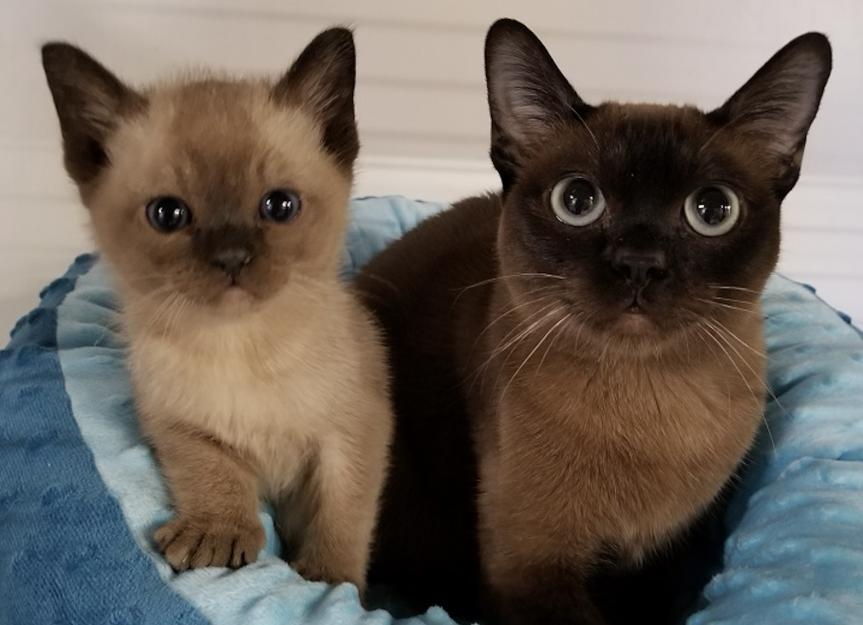
Imagine a feline with a gently rounded head and ears set a bit lower than usual, more to the sides than the top – that’s a Tonkinese. Unlike the slender, wedge-headed Siamese of today, Tonkinese more closely resemble the classic, apple-headed Siamese of yesteryear. This harkens back to a time when feline aesthetics prioritized substance over extreme slenderness.
Coat colors come in pointed, mink, and sepia patterns. Their fur is prized for its silky texture and captivating sheen, and it’s low-shedding. A weekly brushing is usually enough to keep their coat looking its best. This low-shedding quality often leads people to believe they are hypoallergenic, which is a dangerous myth. Remember, the primary allergen is a protein (Fel d 1) found in cat saliva and skin secretions, not just the fur.
Why is My Tonkinese Cat So Active? Understanding Their Energy Levels
The Tonkinese inherited a love for curiosity and sharp intelligence, coupled with a touch of the “zoomies,” from both Siamese and Burmese lineages. Honestly, a single Tonkinese kitten left alone for extended periods can get bored and stir up trouble. I can't tell you how many times I've seen this in the exam room: owners complaining about destructive behavior, only to realize the cat was simply understimulated. For busier households, a calmer adult Tonkinese might be a better fit.
The Clinical Perspective (Biological ‘Why’)
The Tonkinese's inherent activity level is tied to its genetic makeup. The Siamese influence brings heightened alertness and sensitivity to environmental stimuli, while the Burmese side contributes to their playful and interactive nature. These traits are partly modulated by neurotransmitter activity in the brain, influencing their exploratory behavior and social engagement. Like any intelligent animal, lack of stimulation leads to behavioral problems.
Home-Care Hacks (Low-cost, practical tips)
- DIY Puzzle Feeders: Use empty toilet paper rolls or plastic bottles to create simple puzzle feeders. Hide treats or kibble inside, encouraging your cat to “hunt” for their food.
- Rotating Toy Collection: Cats get bored easily. Keep a stash of toys and rotate them weekly to keep your Tonkinese engaged.
- Window Perch Paradise: Create a stimulating environment by placing a cat tree or perch near a window. This allows your cat to observe birds and other outdoor activity.
The Red Flag Checklist (When to panic vs. when to wait)
- Sudden Lethargy: If your typically active Tonkinese suddenly becomes lethargic and uninterested in playing, it could indicate an underlying health issue.
- Loss of Appetite: A decreased appetite lasting more than 24 hours warrants a vet visit.
- Aggression: Uncharacteristic aggression can be a sign of pain or illness.
What are the Common Tonkinese Cat Health Problems?
Tonkinese cats typically live between 15 and 20 years. To ensure you’re getting the healthiest Tonkinese kitten possible, ask your breeder about the health conditions the parents were tested for. Pet insurance can help cover future health-related costs. But honestly, responsible breeding is the first line of defense against genetic predispositions.
Dental Disease: A Silent Threat to Your Tonkinese
Dental disease is extremely common in cats, including Tonkinese. Plaque buildup leads to gingivitis, periodontal disease, tooth resorption, and—of course—bad breath. The underlying mechanism involves bacterial colonization of the teeth and gums, leading to inflammation and tissue destruction. I can't stress enough how important dental health is; it's not just about bad breath, it's about systemic health.
Keep a close eye on your cat’s teeth and don’t skip their routine health checkups. At these annual appointments, your vet will examine your cat’s teeth and gums and recommend dental cleanings as needed. Brushing your cat’s teeth is always best.
Between brushings, talk to your vet about adding dental treats or cat food approved by the Veterinary Oral Health Council (VOHC) to your cat’s diet. Many products claim to improve dental health by removing plaque and tartar, but only those on the VOHC-approved product list have been scientifically proven to be effective.
Chronic Kidney Disease (CKD): A Senior Cat Concern
Chronic kidney disease (CKD) is most common in senior cats but can affect younger cats, too. Sadly, there are no genetic tests to predict whether your cat might develop nonheritable kidney disease. The good news is that symptoms can be managed when caught early. The pathophysiology of CKD involves gradual nephron damage, leading to reduced glomerular filtration rate and impaired kidney function. This results in the accumulation of toxins in the bloodstream. One of the earliest signs of CKD is increased thirst and urination.
Early signs of chronic kidney disease in cats include: increased thirst and urination, urinary accidents, poor appetite, lethargy, weight loss, abnormal behavior, vomiting, diarrhea or constipation, bad breath, sores in the mouth, unsteadiness, and an unkempt coat.
Polycystic Kidney Disease (PKD): A Genetic Time Bomb
Polycystic kidney disease (PKD) is an inherited condition where cats develop fluid-filled cysts in their kidneys, which can lead to kidney failure. Responsible Tonkinese breeders will test cats before breeding to ensure they are not carriers of this disease. PKD is caused by a mutation in the PKD1 gene, leading to abnormal cell proliferation and cyst formation in the kidneys. Over time, these cysts enlarge and compress the normal kidney tissue, leading to renal dysfunction.
Obesity: A Preventable Problem
Like all cat breeds, Tonkinese cats can become overweight. A cat is at their ideal weight when you can feel their ribs beneath a thin layer of fat—similar to how the back of your hand feels with your palm open—and their waist is visible from above. Obesity in cats can lead to other health issues and make existing conditions worse. Talk to your vet about how you can help keep your cat at a healthy weight. Obesity leads to chronic inflammation, insulin resistance, and increased risk of joint problems. It also puts a strain on the cardiovascular system.
Parasites: Even Indoor Cats Are At Risk
Even indoor cats can develop flea infestations or contract heartworm disease—although the risk is much lower than [for] outdoor cats. A monthly all-in-one parasite preventive is your cat’s best defense. For example, “NexGard Combo is a product that prevents all common external and internal parasites in cats, including fleas, ticks, heartworms, roundworms, hookworms, and tapeworms. Talk to your vet about the best parasite prevention for your cat.
What's the Best Food for a Tonkinese Cat? A Nutritional Guide
To keep your Tonkinese healthy, choose a commercially available cat food that: meets the nutritional standards set by the Association of American Feed Control Officials (AAFCO) and is specifically formulated for your cat’s life stage (kitten, adult, or senior). Diets formulated by experts and backed by extensive research are best. Purina Pro Plan, Hill’s Science Diet, Royal Canin, and Iams are all excellent options. For a diet tailored to your cat’s needs, talk to your vet about the best food to feed your cat.
How To Feed a Tonkinese
Feeding your cat or kitten doesn’t have to be complicated. Many cat parents simply serve meals in a bowl, while others opt for automatic feeders. Some pet parents choose to explore ways to mimic a cat’s natural hunting instincts by incorporating feeding puzzles or lick mats. This approach could help reduce unwanted behaviors caused by boredom or anxiety.
How Much Should You Feed a Tonkinese?
Tonkinese kittens require multiple meals a day. Adult cats (1 year and older) can eat fewer meals—about two per day. Cat food varies in calorie content, and individual cats have different needs. The best way to ensure you’re feeding the right amount is to consult your vet. They’ll consider your cat’s age, activity level, and current and ideal weight to recommend a target daily caloric intake.
Nutritional Tips for Tonkinese
Healthy cats who eat a complete and balanced cat food shouldn’t need supplementation. However, your vet may determine that your cat could benefit from a supplement, especially as your Tonkinese cat ages or if they develop a health condition. This could include omega-3 fatty acids (fish oil) for skin and coat health, probiotics for gut health, or joint supplements with glucosamine and chondroitin. Never give your cat a supplement without your veterinarian’s guidance.
Tonkinese Cat Behavior: Decoding Your Cat's Quirks
The Siamese cat is smart and curious, while Burmese are known for their playfulness and affection. By crossing the two, breeders aimed to combine the best qualities of both cats—and that they did. Tonkinese cats are social, intelligent, and deeply curious.
Tonks love companionship and just want to be part of their family’s day. No matter where I am in the house, they are usually on me or within easy petting reach. Tonkinese cats are problem-solvers, too: You can bet if you want to keep them out of something, they will find a way to get to it.
Burmese Cat Behavior
It is often said that Tonkinese are noisy cats, but I disagree with that. Unless it is dinner time, and then everyone has an opinion! With so much variation in individual cats, predicting a kitten’s behavior can be challenging. Adopting an older Tonkinese can provide more insight into that particular cat’s behaviors, making it easier to determine if they’re the right fit for your household.
No matter your cat’s personality, it’s important to offer a variety of enrichment. Horizontal and vertical scratching posts, cat trees, and toys that promote independent play will all help discourage unwanted behaviors, like scratching the furniture. Feather wands and teasers for interactive play. They bring out your pet’s inner hunter while strengthening the bond between you and your cat.
Tonkinese Training
Cats can be trained, and one of the best methods is clicker training with positive reinforcement. Find what motivates your cat—whether it’s a favorite treat, praise, or attention—and use it to reward positive behaviors.
Fun Activities for Tonkinese Cats
- Fetch
- Sunbathing on a catio
- Exploring vertical spaces (shelves and cat trees)
- Clicker training
- Puzzle toys and puzzles
- Interactive play with people
- Birdwatching from a window perch
Tonkinese Grooming: A Complete Guide
Looking for a low-shedding kitty? The silky soft Tonkinese may be an excellent choice if you keep up with a regular grooming routine.
Skin Care
Tonkinese cats generally don’t need special skin care. However, regularly check your cat's skin for redness, flaking, or flea dirt (small black dots that look like pepper flakes). Contact your vet if you notice changes in your pet’s skin.
Coat Care
Brush your cat’s coat once a week. This will reduce shedding, prevent tangles, and remove debris that may be in your cat’s fur.
Eye Care
A Tonkinese’s eye color is typically correlated to coat pattern: Mink Tonkinese have aqua eyes, point Tonkinese blue eyes, and solid/sepia Tonkinese cats have green to golden eyes. According to breed standards, the eyes should appear “deep, clear, and brilliant.” Discuss signs of common cat eye problems, such as redness or discharge, with your veterinarian.
Ear Care
Tonkinese cats aren’t particularly prone to ear infections, but it’s still important to watch for common signs of ear infections. Contact your vet if you notice any of the following: foul odor from one or both ears, red or swollen ears, discharge from the ears, crusting or scabs around the ears, pawing at the ears, or head shaking.
Is a Tonkinese Cat Right for You? Important Considerations
The Tonkinese cat breed is a cross of Siamese and Burmese cats, inheriting a delightful blend of their personalities. Typically, a Tonk is a fun-loving cat that’s both intelligent and affectionate. However, every cat is unique, and individual personalities can vary.
With their silky fur, Tonkinese are relatively low-maintenance when it comes to grooming. However, like any other pet, a Tonk has plenty of other lifelong needs, including routine wellness visits, socialization, and a healthy diet.
When purchased from a responsible breeder, Tonkinese are generally healthy—aside from some common feline conditions—and have an impressive average lifespan of 15–20 years.
Tonkinese Cat FAQs
Siamese vs. Tonkinese cats: What’s the difference?
Tonkinese cats share a close genetic connection with Siamese cats, as they are bred from a Siamese and Burmese parent. However, unlike today’s traditional Siamese, which are slim with wedge-shaped heads, Tonkinese have a medium build with rounder, more balanced features.
How much is a Tonkinese cat worth?
The price of a Tonkinese kitten typically ranges from $1,000–$1,600, depending on where you live and whether the kitten has already been spayed or neutered.
Do Tonkinese cats like to cuddle?
Yes, Tonkinese cats are typically affectionate and may even cuddle. They form strong social bonds with their family members, often adapting to their daily routines.
Are Tonkinese cats friendly?
Yes, Tonkinese are friendly cats who are known to get along well with children and dogs.
How rare is a Tonkinese cat?
Tonkinese cats are considered quite rare because there are few Tonkinese breeders in the United States. If you're hoping to bring home a Tonkinese kitten, be prepared for a wait.