

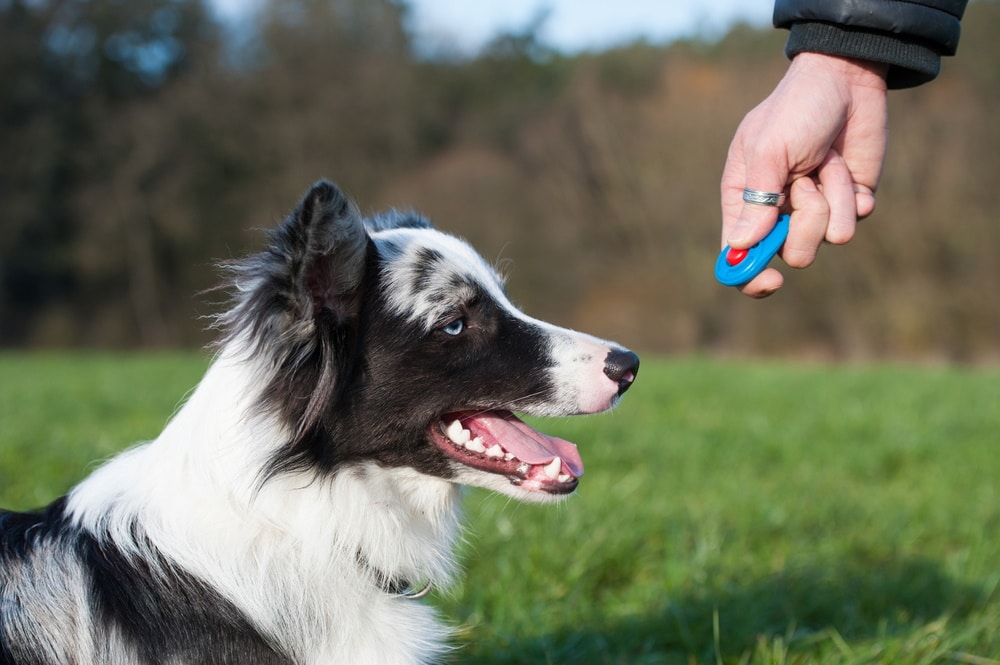
Clicker Training: Is it Right for My Dog? A Vet's Honest Take
Here's a counter-intuitive fact from the trenches: many owners think clicker training is 'purely' positive. Actually, it's operant conditioning, meaning the dog is always working to avoid something 'negative' (like withholding the treat). Tricky, right?
For Busy Owners: Clicker training uses a clicking sound to mark desired behaviors, followed by a reward. It's based on positive reinforcement and can be very effective. However, it's not a magic bullet and might not suit all dogs or situations. Keep reading to see if clicker training is a good fit for your dog.
What is Clicker Training and How Does it Work?
Clicker training is a method that uses a distinct clicking sound as an auditory marker to signal to a dog that they have performed a desired behavior correctly. This is always followed by a positive reinforcement, usually a treat. The core principle relies on operant conditioning, where behaviors are modified through reinforcement or punishment. The click becomes associated with the reward, creating a strong positive association. Think of it like this: the click acts as a precise 'yes!' signal, pinpointing the exact moment the dog does something right. But honestly, the clicker only works if the dog has intact hearing; age-related hearing loss (presbycusis) is a real thing, especially in breeds prone to early-onset cognitive decline.
How to Start Clicker Training: A Step-by-Step Guide
The beauty of clicker training lies in its simplicity. You need a goal, a clicker, high-value treats, and your dog. The process involves teaching your dog a command, verbally cueing the command, and when the dog performs the desired action, you click the clicker and immediately give a treat. The key is consistency and timing. The click must occur the instant the dog performs the behavior. But here’s the deal: the treats need to be motivating. That means tiny, soft, and super tasty. I tell my clients to use things like cooked chicken or bits of cheese, something they don’t normally get. You're essentially hacking into their reward system.
What Dogs Can Benefit the Most from Clicker Training?
Many dogs thrive with clicker training, and some behaviorists argue nearly any mammal can learn this way. However, it's not a one-size-fits-all solution. Dogs with certain temperaments or sensory limitations might not respond well. For instance, deaf dogs won't respond to the clicker's sound, but they can learn using visual cues like hand signals. Energetic breeds, like Border Collies or Australian Shepherds, often excel because the structured approach provides mental stimulation. But, in my experience, dogs with high anxiety levels might initially struggle. The sudden click sound can actually increase their stress. You may have to start by associating the clicker with something positive without requiring a behavior at first.
Pros of Clicker Training
- Based on positive reinforcement, fostering a positive relationship.
- Allows for precise marking of desired behaviors.
- Adaptable to most dogs and behaviors.
- Enables shaping of complex behaviors through successive approximations.
Cons of Clicker Training
- Not suitable for deaf dogs.
- Over-reliance on treats can lead to weight gain if not managed properly.
- Requires precise timing and consistency from the trainer.
When Should You Stop Using the Clicker in Training?
You won't need the clicker forever. It's a tool to establish clear communication during the initial learning phases. Once your dog consistently performs the desired behavior on command, you can phase out the clicker. The goal is to transition to verbal praise or other rewards. The clicker's power lies in its precision. It marks the exact moment of success. However, continuous use can actually diminish its effectiveness. It's like anything else; overstimulation leads to desensitization. The dog gets used to it, and the reward pathway in the brain (dopamine release, specifically) becomes less active.
Why Do Some Trainers Think Clicker Training is Bad or Ineffective?
The controversy surrounding clicker training stems from differing philosophies and perceived limitations. Some trainers argue that clicker-trained dogs might not generalize their learning to real-world situations, especially in high-stress environments. They believe that dogs trained with more traditional methods, which emphasize the owner's leadership and clear communication, are more reliable in challenging scenarios. Honestly, I've seen both approaches work. The key is understanding the dog's individual personality and learning style. One of the biggest complaints I see in the exam room is owners who can't get their dogs to listen when distracted. That's a failure of training, not necessarily a failure of the clicker itself.
The Clinical Perspective (Biological ‘Why’)
From a biological perspective, clicker training taps into the reward pathways in the brain. The click becomes a conditioned stimulus, triggering the release of dopamine, a neurotransmitter associated with pleasure and motivation. This creates a positive feedback loop, reinforcing the desired behavior. However, the effectiveness can be influenced by individual differences in dopamine receptor density and sensitivity. Some dogs are simply more motivated by food than others. That's why it's mission-critical to find what *really* motivates your dog.
Home-Care Hacks (Low-cost, practical tips)
- Use a variety of treats: Keep your dog guessing to maintain their interest.
- Fade the clicker gradually: Start using it intermittently, then phase it out completely.
- Practice in different environments: Generalize the training by practicing in various locations.
The Red Flag Checklist (When to panic vs. when to wait)
- Dog shows signs of stress: Pacing, panting, lip licking. Stop and reassess your approach.
- No progress after several sessions: Consider seeking guidance from a professional trainer.
- Aggression or fear: Clicker training is not a substitute for addressing underlying behavioral issues.
Final Thoughts: Is Clicker Training Right For You and Your Dog?
Clicker training can be a powerful tool for shaping your dog's behavior and strengthening your bond. It's based on sound scientific principles and can be highly effective when used correctly. However, it's not a magic bullet. It requires patience, consistency, and a willingness to adapt your approach to your dog's individual needs. If you're willing to put in the time and effort, clicker training can be a rewarding experience for both you and your furry friend.