

So You Want to Train Guide Dogs? A Vet's Honest Take on the Path
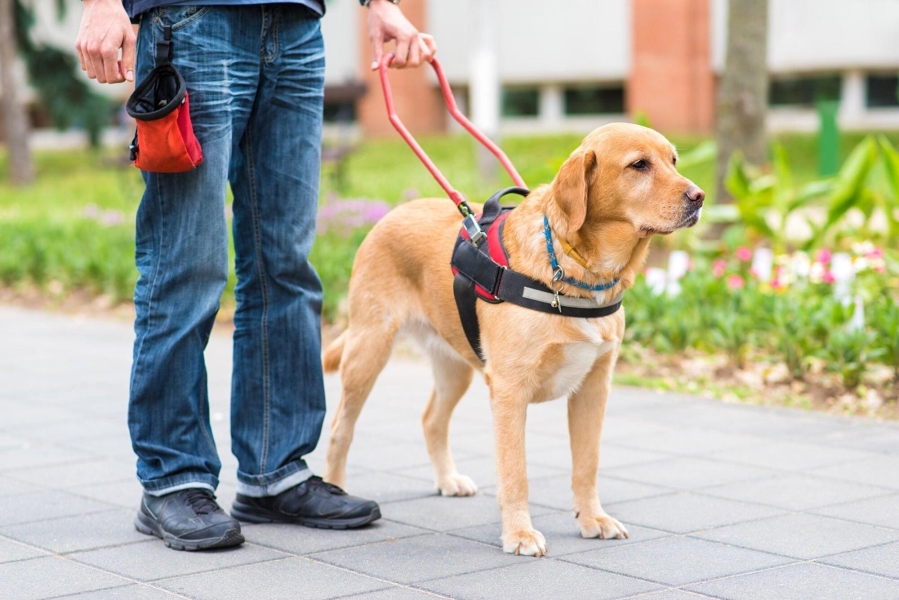
Here's a counter-intuitive fact from the exam room: the best guide dog trainers aren't necessarily the biggest 'dog people.' Don't get me wrong, a love for canines is crucial, but the real secret sauce is an insatiable curiosity about behavior, a saint-like level of patience, and a deep understanding of the human condition. It's about more than just teaching a dog to heel; it's about forging a partnership that restores independence and dignity.
For Busy Owners: Becoming a guide dog trainer involves education, hands-on experience, and a dedicated apprenticeship. The work requires patience, perseverance, and a deep understanding of both canine behavior and the needs of visually impaired individuals. It's a challenging but incredibly rewarding career path for those passionate about making a difference.
What Skills Do You Really Need to Train Guide Dogs? The Clinical Perspective
Being a guide dog trainer demands a unique blend of skills. It's not just about teaching a dog to sit and stay; it's about understanding the intricate dance between canine cognition and human needs. You are essentially acting as a behavioral bioengineer. At the heart of this profession lies the ability to understand and manipulate behavior using principles of classical and operant conditioning. This involves leveraging the dog's natural reward pathways, mediated by neurotransmitters like dopamine, to reinforce desired actions. But honestly, it goes deeper than that. You need to be a master observer, able to detect subtle shifts in a dog's body language – the slight flick of an ear, the tensing of a muscle – that indicate stress, confusion, or even the onset of a medical issue. This is where clinical experience, or at least a solid understanding of canine physiology, becomes mission-critical. I tell my own clients, you are half dog psychologist and half incredibly empathetic human.
Is a College Degree Required to Become a Guide Dog Trainer? Unpacking the Education Requirements
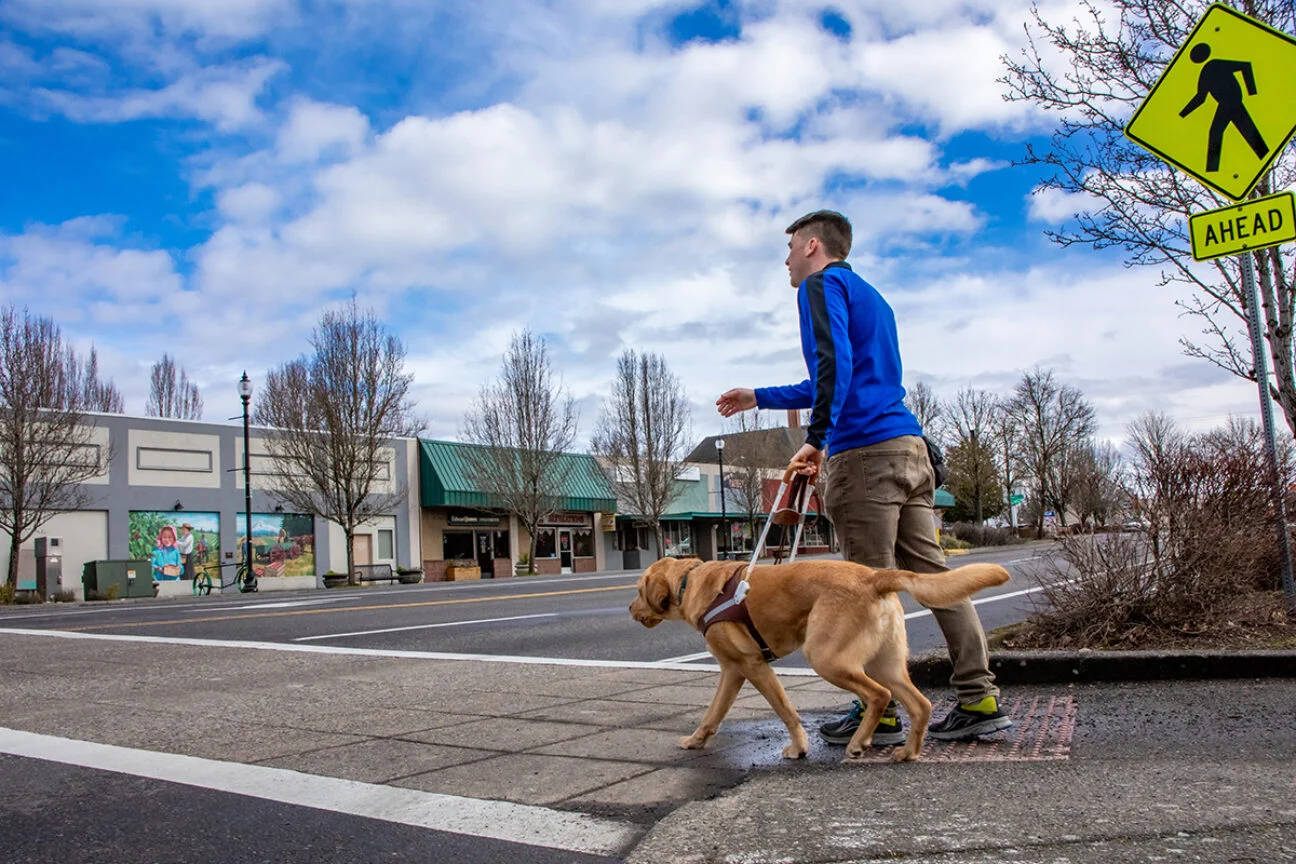
While a high school diploma or GED is often the minimum requirement, don't kid yourself: a college degree will significantly boost your prospects and prepare you for the rigors of the job. A degree in animal science, orientation and mobility, or occupational therapy provides a robust foundation in animal behavior, training techniques, and the specific challenges faced by visually impaired individuals. Consider the coursework: animal behavior delves into the neurobiological underpinnings of canine cognition, exploring how genetics, environment, and experience shape a dog's responses. Orientation and mobility training, on the other hand, equips you with the skills to understand and address the spatial awareness deficits of the visually impaired, allowing you to tailor your training methods to their specific needs. Honestly, that is non-negotiable.
How to Find a Guide Dog Training Apprenticeship: Your First Real Step
Finding the right guide dog organization is a mission-critical step in your journey. These organizations vary in their training philosophies, program structures, and specialization areas (e.g., some focus on urban environments, while others cater to rural settings). The International Guide Dog Federation maintains a listing of member organizations, which is a solid starting point for your research. Attend industry conferences and workshops to network with professionals in the field and learn about potential apprenticeship opportunities. Don't be afraid to reach out to trainers and program directors directly, expressing your interest and inquiring about their specific requirements. Be prepared to showcase your experience working with dogs, your understanding of canine behavior, and your unwavering commitment to helping the visually impaired. Remember, competition for these apprenticeships can be fierce, so you need to stand out from the crowd.
What Does a Guide Dog Training Apprenticeship REALLY Involve? The Grueling Reality
An apprenticeship is where the rubber meets the road. Expect a demanding and immersive experience that will push you to your limits. You'll be working alongside experienced trainers, shadowing their every move, and gradually taking on more responsibility as you gain proficiency. One day you will be cleaning kennels and the next you will be asked to explain the nuances of counter-conditioning to a room full of PhDs. Prepare for long hours, challenging dogs, and emotionally draining situations. You'll be exposed to the triumphs and setbacks of both the dogs and their handlers, witnessing firsthand the profound impact that these partnerships can have on people's lives. Biologically, you'll be observing the intricate interplay of hormones, neurotransmitters, and neural pathways that govern behavior, gaining a deeper appreciation for the complexity of the canine brain. The apprenticeship typically includes a structured academic curriculum, with assigned readings, presentations, and tests. You'll be expected to master the principles of learning theory, understand the ethical considerations of animal training, and stay abreast of the latest advancements in the field.
Maintaining Guide Dog Trainer Certifications: The Never-Ending Learning Curve
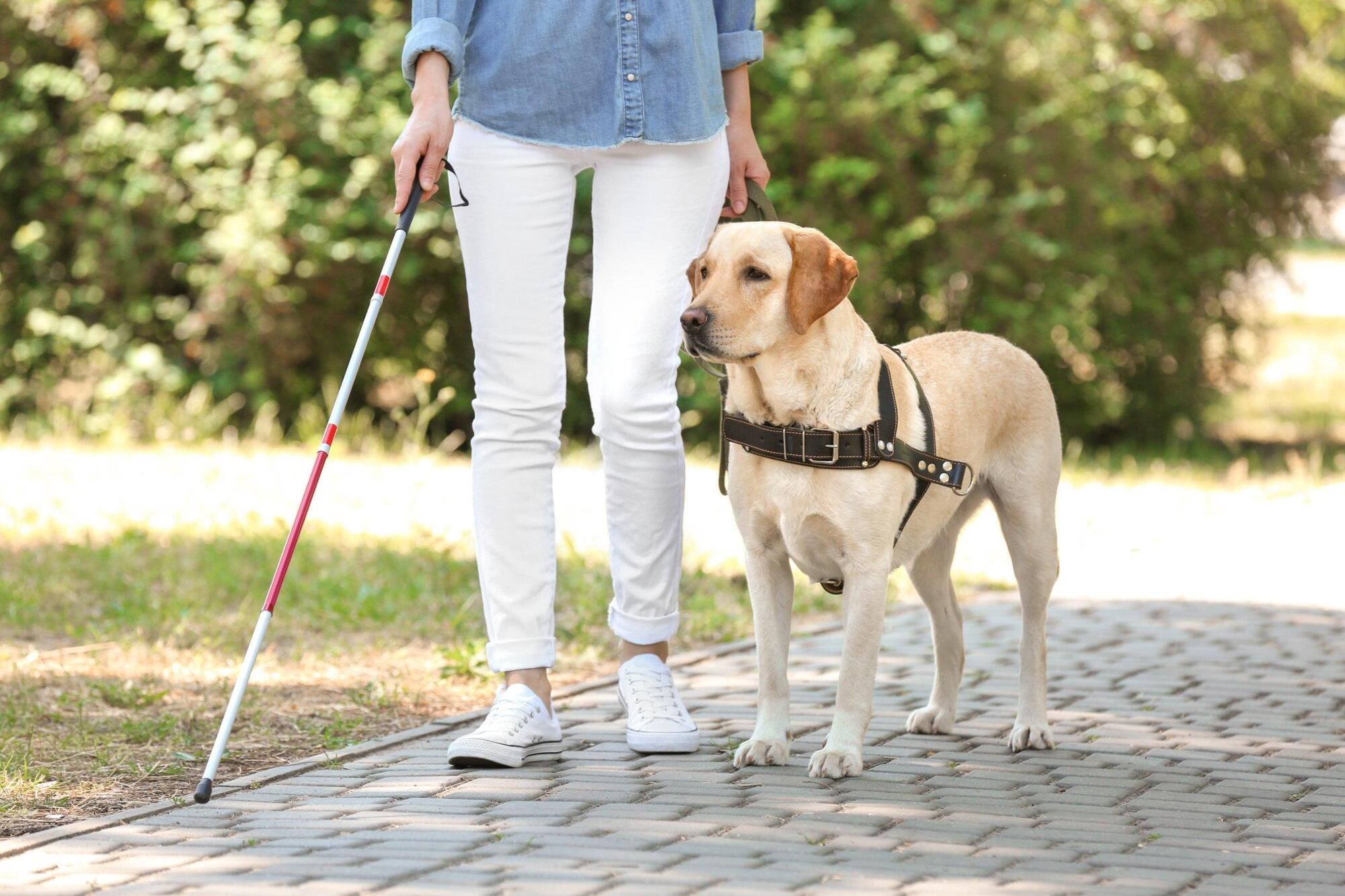
The field of guide dog training is constantly evolving, driven by new research, technological advancements, and changing societal needs. To remain an effective and respected trainer, you must embrace a commitment to lifelong learning. This means attending conferences, workshops, and continuing education courses to stay abreast of the latest developments in canine behavior, training techniques, and assistive technology. Many certifications require annual renewal, which typically involves completing a certain number of continuing education hours. This ensures that trainers maintain a high level of competence and adhere to ethical standards. Moreover, staying connected with other professionals in the field allows you to share best practices, learn from each other's experiences, and advocate for policies that promote the well-being of both dogs and handlers.
Home-Care Hacks for Aspiring Guide Dog Trainers
- Volunteer at a local shelter: This provides invaluable hands-on experience working with dogs of different breeds, temperaments, and behavioral challenges.
- Read extensively on canine behavior and training: Familiarize yourself with the works of renowned animal behaviorists and trainers, such as Ian Dunbar, Karen Pryor, and Temple Grandin.
- Practice your observation skills: Spend time observing dogs in various settings, paying attention to their body language, interactions with other dogs and people, and responses to different stimuli.
The Red Flag Checklist: Is Guide Dog Training Right for You?
- Lack of patience: If you get easily frustrated or have a short temper, this profession is not for you.
- Discomfort working with people with disabilities: Guide dog training involves extensive interaction with visually impaired individuals, so you must be comfortable and empathetic in your interactions.
- Unrealistic expectations: Guide dog training is not a glamorous or easy job. It requires hard work, dedication, and a willingness to learn and adapt.