

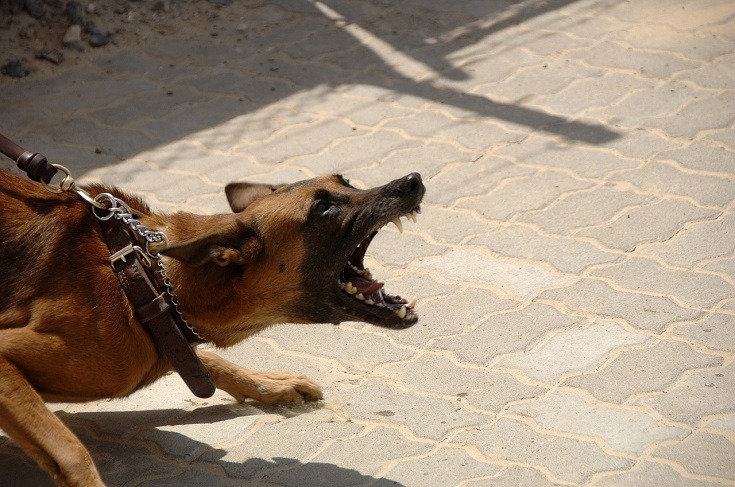
Why is My Dog Suddenly Lunging? Vet-Approved Solutions for Leash Reactivity
Here's a fact that surprises many owners: lunging isn't always aggression. Often, it stems from fear or over-excitement, amplified by the constraints of a leash. Understanding this difference is the first, mission-critical step in addressing leash reactivity.
Is your dog lunging at other dogs? It's often rooted in fear or excitement, worsened by leash stress. Fortunately, calming your dog involves simple strategies, like basic commands and positive reinforcement. With patience and consistency, you can transform those stressful walks into enjoyable experiences.
Why Does My Dog Lunge at Other Dogs on Leash? Understanding Leash Reactivity
When a dog lunges, it appears aggressive, but it usually indicates uncertainty or fear. The leash intensifies this anxiety, making the dog feel trapped and that lunging is the only way to create space. While less common, over-excitement and a desire to play can also trigger lunging. It’s important to understand the underlying emotional state to tailor your approach.
Honestly, in the exam room, one of the first things I tell clients is this: lunging is a symptom, not a diagnosis. We have to dig deeper. Is it fear? Frustration? Resource guarding? Let’s talk about the biological ‘why’ behind these behaviors.
From a clinical perspective, the activation of the amygdala, the brain's emotional center, plays a huge role. When a dog perceives a threat (or something intensely exciting), the amygdala triggers the “fight or flight” response. On a leash, the ‘flight’ option is removed, leaving ‘fight’ – or, in this case, lunging. Furthermore, chronic stress can elevate cortisol levels, making the dog more reactive overall. This is why a holistic approach, addressing both behavior and underlying anxiety, is so important.
6 Proven Ways to Stop Dog Lunging: A Step-by-Step Guide
The conflicting motivations – fear versus excitement – can make stopping lunging seem complicated. The good news? The principles for calming your dog remain similar in both scenarios. Here’s a breakdown of practical strategies.
1. Master Basic Commands: The Foundation for Calm Behavior
Training begins with basic commands like “sit,” “stay,” and especially “heel.” “Heel” teaches your dog to walk closely by your side, providing a sense of security and focus. Mastering these commands at home builds a solid foundation before tackling distractions outdoors. This approach fosters patience and a positive association with training.
The clinical perspective? Think of these commands as building new neural pathways. When a dog consistently responds to a command, it strengthens the connection between the prefrontal cortex (the thinking brain) and the amygdala (the emotional brain). This allows for better impulse control when faced with triggers.
2. Counterconditioning and Desensitization: Changing Your Dog's Associations
Counterconditioning involves changing your dog’s negative associations with other dogs to positive ones. Desensitization gradually exposes your dog to other dogs at a distance where they don't react. Pair the presence of other dogs with high-value treats to create a positive experience. The goal is to teach your dog that other dogs predict good things.
Biologically, this process works by releasing dopamine, a neurotransmitter associated with pleasure and reward. By consistently pairing the sight of other dogs with treats, you’re essentially rewiring your dog's brain to associate them with positive feelings. This can decrease the activation of the amygdala and promote a calmer response.
3. High-Value Treats: Your Secret Weapon Against Distractions
When your dog lunges, they’re seeking a reward, whether it's the thrill of chasing or the relief of making the other dog retreat. To compete with these intrinsic rewards, you need treats that are irresistible. Experiment to find what motivates your dog most – cheese, cooked chicken, or even small pieces of steak can work wonders. Reserve these treats exclusively for training around other dogs.
These high-value treats trigger a stronger dopamine release than regular treats. This heightened reward can effectively override the dog's initial impulse to lunge. It’s also worth noting that some dogs respond better to praise or toys than food. The key is to find what truly motivates your individual dog.
4. Understanding Your Dog's Tolerance Threshold: A Critical Step for Success
Every dog has an orientation threshold (the distance at which they notice another dog) and a response threshold (the distance at which they react). Training should occur between these two points. Keep your dog close enough to notice the other dog, but far enough away that they remain calm. Watch for early signs of stress, like yawning, lip-licking, or a fixed stare. If you see these, increase the distance.
From a biological standpoint, staying below the response threshold prevents the flood of stress hormones that trigger reactivity. When a dog is constantly pushed past their threshold, it can lead to learned helplessness and increased anxiety over time. By respecting their limits, you’re creating a safe and predictable environment that promotes learning.
5. Environmental Control: Setting Your Dog Up for Success
Manage your dog’s environment to minimize exposure to triggers. Walk during off-peak hours or in less crowded areas. Use visual barriers, like fences or parked cars, to create distance from other dogs. Gradually increase exposure as your dog becomes more comfortable.
This approach reduces the constant bombardment of stimuli that can overwhelm a reactive dog. Think of it as creating a sensory deprivation chamber for the brain – it allows the nervous system to calm down and reset. Over time, this can help lower their overall reactivity level.
6. Stay Calm and Assertive: Your Dog Needs a Confident Leader
Your dog feeds off your energy. If you’re anxious or tense, they’ll sense it and become more reactive. Stay calm, maintain a relaxed posture, and speak in a soothing tone. Harsh corrections can worsen anxiety and damage your relationship. Instead, focus on positive reinforcement and clear communication.
When you project calm confidence, you activate mirror neurons in your dog's brain, which mimic your emotional state. This creates a feedback loop that can help them regulate their own anxiety. Remember, you’re not just training your dog; you’re also training yourself to be a more effective leader.
Home-Care Hacks: Simple Strategies for Daily Management
- **Calming Supplements:** Consider using calming supplements like L-theanine or Zylkene to help reduce anxiety.
- **Thundershirt:** A Thundershirt can provide a sense of security and reduce anxiety.
- **Puzzle Toys:** Keep your dog mentally stimulated with puzzle toys to reduce boredom and anxiety.
The Red Flag Checklist: When to Seek Professional Help
- **Severe Aggression:** If your dog is showing signs of severe aggression, such as biting or snapping, seek professional help immediately.
- **Uncontrollable Reactivity:** If you’re unable to manage your dog’s reactivity, consult a certified dog trainer or veterinary behaviorist.
- **Sudden Onset:** If your dog’s reactivity has appeared suddenly, rule out underlying medical conditions with your veterinarian.
Conclusion
Stopping dog lunging requires patience, consistency, and a deep understanding of your dog’s individual needs. By implementing these strategies and seeking professional help when needed, you can transform stressful walks into enjoyable bonding experiences. Remember, every small step forward is a victory.