

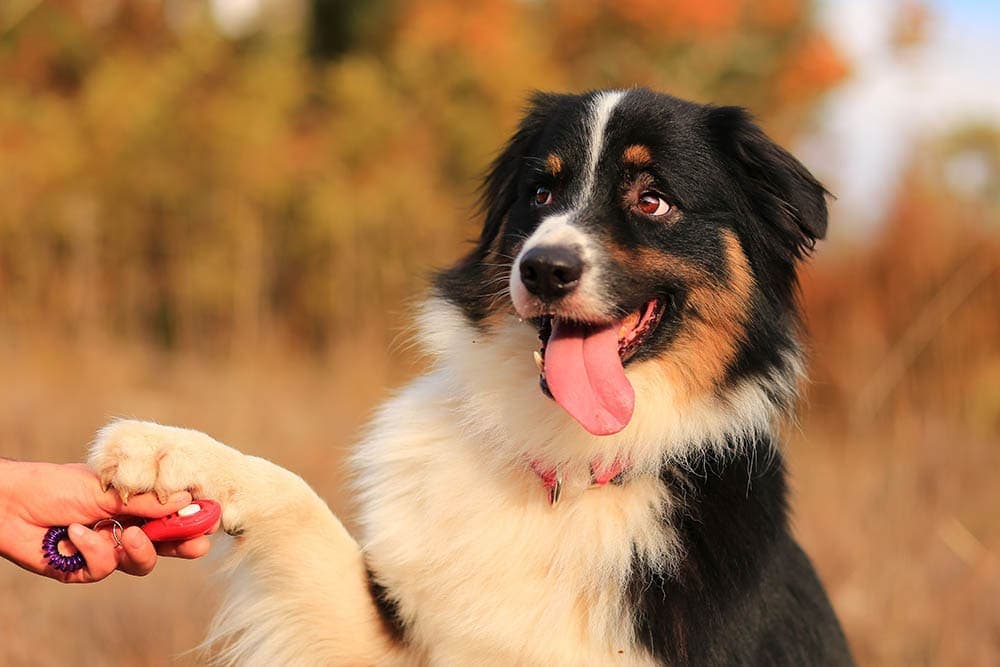
Clicker Training Masterclass: Vet-Approved Guide to Easy Dog Commands
Here's a reality check from the exam room: many owners think 'training' means 'obedience.' Actually, it's about building a communication bridge. What if I told you there's a method that leverages your dog's innate reward system for faster learning? It's called clicker training, and it's more science than magic.
For Busy Owners: Clicker training uses a distinct 'click' sound to mark desired behaviors, followed by a treat or reward. This clear communication helps dogs quickly understand what you want. The method relies on positive reinforcement, making training a fun and effective experience for both dog and owner.
Why Isn't My Dog Learning? The Science of Clicker Training
Clicker training works by creating a strong association between the 'click' sound and a reward. This is rooted in operant conditioning, where behaviors followed by positive reinforcement (the treat) are more likely to be repeated. Think of it as hacking your dog's brain using dopamine, the neurotransmitter responsible for pleasure and reward-motivated behavior. This contrasts sharply with punishment-based methods, which can increase cortisol levels (stress hormone) and hinder learning.
How Does Clicker Training Actually Work? A Clinical Perspective
The core principle is positive reinforcement. The clicker sound acts as a 'bridge,' precisely marking the desired behavior *at the exact moment it occurs*. This is mission-critical. Imagine teaching 'sit.' The instant your dog's rear touches the ground, *click*. This creates a clear neural pathway: 'butt down = click = reward.' The beauty is in the timing. The click becomes a predictor of the reward, triggering a release of dopamine that reinforces the behavior. In contrast, delayed rewards are less effective because the dog might associate the treat with a different action performed in the interim.
What Does the Click Mean to My Dog? Decoding the Signal
The click sound is a conditioned reinforcer. It starts as a neutral stimulus but gains meaning through repeated association with a primary reinforcer (the treat). Honestly, it's like teaching your dog a new language where 'click' translates to 'that's exactly what I wanted!' This precise marking eliminates ambiguity. Without the clicker, your dog might be guessing what they're being rewarded for, slowing down the learning process. The click focuses their attention on the specific action you're trying to teach.
Where Can I Use Clicker Training? Versatile Applications for Any Dog
Clicker training isn't just for basic commands; it's applicable across a wide spectrum of training scenarios. From teaching complex tricks to modifying unwanted behaviors (like excessive barking or jumping), the principles remain the same. I've even seen it used successfully in agility training to fine-tune performance. The key is breaking down complex behaviors into smaller, achievable steps, clicking and rewarding each step along the way. This approach builds confidence and encourages the dog to actively participate in the training process.
What are the Advantages of Clicker Training? A Vet's Observations
The advantages are numerous. First, it fosters a positive relationship between dog and owner. The focus is on rewarding desired behaviors, creating a fun and engaging learning environment. Second, it enhances communication. The click provides clear and consistent feedback, reducing confusion and frustration for the dog. Third, it promotes cognitive development. Clicker training encourages dogs to think and problem-solve, leading to increased confidence and adaptability. Finally, it's effective for dogs of all ages, breeds, and temperaments. I tell my clients it works because it taps into the dog's natural drive to seek rewards.
What are the Disadvantages of Clicker Training? Addressing the Downsides
There are a few potential drawbacks. The first is consistency. You *must* always follow the click with a reward. Otherwise, the click loses its meaning. The second is timing. In the exam room, I stress that imprecise clicking can confuse the dog and reinforce the wrong behavior. The third is dependence. Over-reliance on the clicker can hinder the dog's ability to perform commands without it. The solution is to gradually fade the clicker once the behavior is established, replacing it with verbal praise or other rewards.
Frequently Asked Questions About Clicker Training
Do I Have to Use the Clicker Forever? Phasing Out the Tool
Absolutely not. The clicker is a training aid, not a permanent fixture. Once your dog consistently performs the desired behavior, you can start phasing it out. Begin by randomly omitting the click, but still providing the reward. Gradually increase the frequency of omissions until the click is no longer needed. The goal is to transition to verbal cues and natural rewards, maintaining the behavior without relying on the clicker.
What if My Dog Doesn’t Like Treats as a Reward? Finding Alternatives
Not all dogs are motivated by food. Some prefer toys, praise, or even a simple scratch behind the ears. The key is to identify what your dog finds rewarding and use that as the reinforcer. Observe your dog's behavior and pay attention to what makes them happy. Experiment with different rewards to find what works best. Actually, a high-value reward is anything your dog is willing to work for.
Where Can I Find a Clicker? Affordable and Accessible
Clickers are readily available at most pet stores and online retailers. They're inexpensive and come in various shapes and sizes. Look for one that fits comfortably in your hand and produces a clear, consistent click sound. Some clickers also have a wrist strap for added convenience. Honestly, the brand doesn't matter; the effectiveness lies in how you use it.
Home-Care Hacks: Clicker Training on a Budget
- DIY Clicker: No clicker? Use a pen that clicks or snap your fingers consistently.
- Homemade Treats: Skip expensive store-bought treats and use small pieces of cooked chicken or cheese.
- Training Games: Turn training into a game by hiding treats and clicking when your dog finds them.
Red Flag Checklist: When to Call Your Vet During Training
- Sudden Aggression: If your dog becomes aggressive during training, stop immediately and consult with a veterinary behaviorist.
- Excessive Anxiety: If your dog shows signs of extreme anxiety or stress, such as panting, pacing, or lip-licking, reassess your training methods.
- Lack of Progress: If you're not seeing any progress after several weeks of consistent training, seek guidance from a certified dog trainer.
Conclusion: Mastering the Click for a Happier Dog
Clicker training is a powerful tool that can transform your dog's behavior and strengthen your bond. By understanding the underlying principles and applying them consistently, you can unlock your dog's full potential and create a harmonious relationship built on trust and positive reinforcement. So, grab a clicker, gather some treats, and embark on a journey of discovery with your canine companion. The results, honestly, will speak for themselves.