

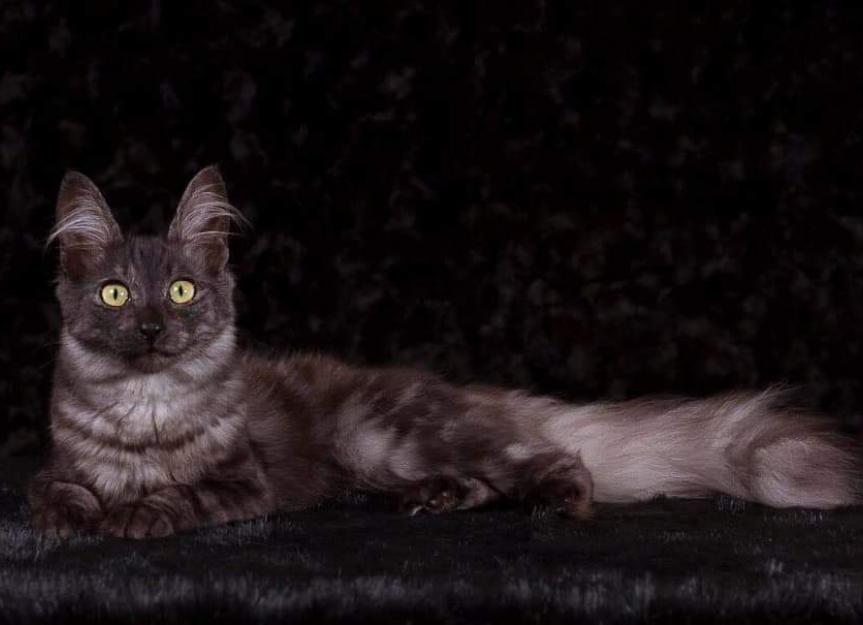
Turkish Angora Cats: Lifespan, Health Issues & Complete Care Guide
Here's a feline fact that'll make you rethink everything: not all Turkish Angoras are white! While the pristine white coat is iconic, this breed flaunts a rainbow of colors. It's a common misconception that limits understanding of their true genetic diversity and potential health predispositions.
For Busy Owners: Turkish Angoras are elegant, intelligent cats known for their playful personalities. While generally healthy, they can be prone to hereditary deafness (especially white, blue-eyed cats) and heart conditions like hypertrophic cardiomyopathy (HCM). Regular vet checkups and a high-quality diet are essential for their well-being.
Why is My Turkish Angora Suddenly So Clingy? Understanding Angora Behavior Changes
A sudden change in your Turkish Angora's behavior, like increased clinginess, can signal underlying issues. It's important to note if this behavior is new or if the cat has always been clingy. New clinginess can be a sign of illness, anxiety, or even cognitive decline, especially in older cats. I have seen this many times in the exam room.
The Clinical Perspective: When a cat becomes unusually clingy, consider the biological 'why.' Are they experiencing pain (arthritis, dental disease)? Are they developing hyperthyroidism, leading to increased appetite and activity followed by exhaustion and a need for comfort? Rule out medical causes first. I tell my clients to consider the cat's age as well. Cognitive dysfunction in senior cats can manifest as disorientation and increased dependence on their owners for reassurance, not unlike the effects of beta-amyloid plaques in humans with Alzheimer's.
Home-Care Hacks: Provide a safe, predictable environment. Ensure easy access to food, water, and litter boxes. Increase interactive play sessions to boost their confidence and reduce anxiety. Consider a pheromone diffuser (Feliway) to create a calming atmosphere.
The Red Flag Checklist: Any sudden behavioral change warrants a vet visit. Watch for other signs like loss of appetite, hiding, changes in litter box habits, or increased vocalization. These could indicate a medical problem requiring immediate attention.
Decoding the Turkish Angora Lifespan: How Long Do These Cats Typically Live?
Turkish Angoras typically live between 12 to 18 years, with some individuals exceeding this range with proper care. Genetics, diet, environment, and access to veterinary care all play mission-critical roles in determining their lifespan. Honestly, some cats just have better genes than others.
The Clinical Perspective: A cat's lifespan is influenced by factors affecting cellular aging. Telomere shortening, a natural process where protective caps on chromosomes erode with each cell division, contributes to age-related decline. Providing a nutrient-rich diet, minimizing stress, and preventing obesity can help support healthy cell function and potentially extend lifespan. Studies have also shown that lower IGF-1 (insulin-like growth factor 1) levels are associated with extended lifespan.
Home-Care Hacks: Feed a high-quality diet appropriate for their age and activity level. Maintain a healthy weight to reduce strain on their joints and organs. Provide regular exercise and mental stimulation to keep them active and engaged. Schedule annual vet checkups for early detection of potential health problems.
The Red Flag Checklist: Be vigilant for signs of aging, such as decreased appetite, weight loss, lethargy, and changes in coat quality. Address any health concerns promptly to maximize their lifespan and quality of life.
"My Turkish Angora is Losing Hair!": Understanding and Treating Hair Loss (Alopecia)
Hair loss, or alopecia, in Turkish Angoras can be caused by various factors, ranging from allergies to parasites to stress. The pattern of hair loss, presence of itching (pruritus), and other symptoms are essential clues for diagnosis. This is one of the most common complaints I hear in the clinic.
The Clinical Perspective: Consider the underlying biological mechanisms. Allergies trigger the release of histamine, causing intense itching and self-trauma, leading to hair loss. Fleas and mites directly damage hair follicles and irritate the skin. Stress can disrupt the hair growth cycle, causing telogen effluvium (shedding of resting hairs). Ringworm, a fungal infection, invades the hair shaft, causing breakage and circular lesions.
Home-Care Hacks: Rule out fleas with a thorough examination and appropriate flea control. Try an elimination diet to identify potential food allergies (under veterinary guidance). Reduce stress by providing a calm environment, plenty of enrichment, and consistent routines.
The Red Flag Checklist: If hair loss is accompanied by intense itching, skin lesions, or changes in behavior, seek veterinary attention. Diagnostic tests (skin scrapes, fungal cultures, allergy testing) may be necessary to determine the underlying cause and guide treatment.
Why Does My Turkish Angora Have Diarrhea? Causes and Solutions for Digestive Upset
Diarrhea in Turkish Angoras can stem from dietary indiscretion, infections, parasites, or underlying medical conditions. It's crucial to assess the frequency, consistency, and presence of blood or mucus in the stool. Also, listen for any borborygmi (stomach rumbling).
The Clinical Perspective: Diarrhea results from imbalances in the gut microbiome, inflammation of the intestinal lining, or impaired nutrient absorption. Viral or bacterial infections (e.g., feline panleukopenia, Salmonella) disrupt the normal intestinal flora. Parasites (e.g., Giardia, coccidia) damage the intestinal lining, leading to malabsorption. Food intolerances or allergies trigger an immune response, causing inflammation and diarrhea.
Home-Care Hacks: Withhold food for 12-24 hours (with veterinary guidance) to allow the digestive system to rest. Provide fresh water at all times to prevent dehydration. Gradually reintroduce a bland diet (boiled chicken and rice) in small amounts. Probiotics can help restore the balance of gut bacteria.
The Red Flag Checklist: If diarrhea persists for more than 24 hours, or if accompanied by vomiting, lethargy, fever, or blood in the stool, seek immediate veterinary care. Diagnostic tests (fecal examination, bloodwork) are necessary to identify the underlying cause and guide treatment.
Turkish Angora Grooming: How to Maintain That Silky Coat Without the Shedding!
While Turkish Angoras have a single-layer coat that's less prone to matting than double-coated breeds, regular grooming is still non-negotiable to minimize shedding and maintain their silky texture. Their coat does vary in length with the seasons, becoming shorter in the warm months and longer and thicker in the cold.
The Clinical Perspective: Regular brushing removes dead hair and stimulates blood circulation to the skin, promoting healthy hair growth. This is critical for maintaining the skin barrier. This barrier prevents infection and reduces the risk of skin irritation and allergies. Neglecting grooming can lead to matting, which can trap moisture and debris, creating a breeding ground for bacteria and fungi.
Home-Care Hacks: Brush your Turkish Angora a few times a week with a slicker brush or metal comb. Bathe them only when necessary (every few months) with a cat-specific shampoo. Pay attention to their skin for any signs of irritation, redness, or dryness. I tell my clients to look for "hot spots."
The Red Flag Checklist: Excessive shedding, itching, skin lesions, or changes in coat texture warrant a vet visit. These could indicate underlying allergies, parasites, or skin infections.