

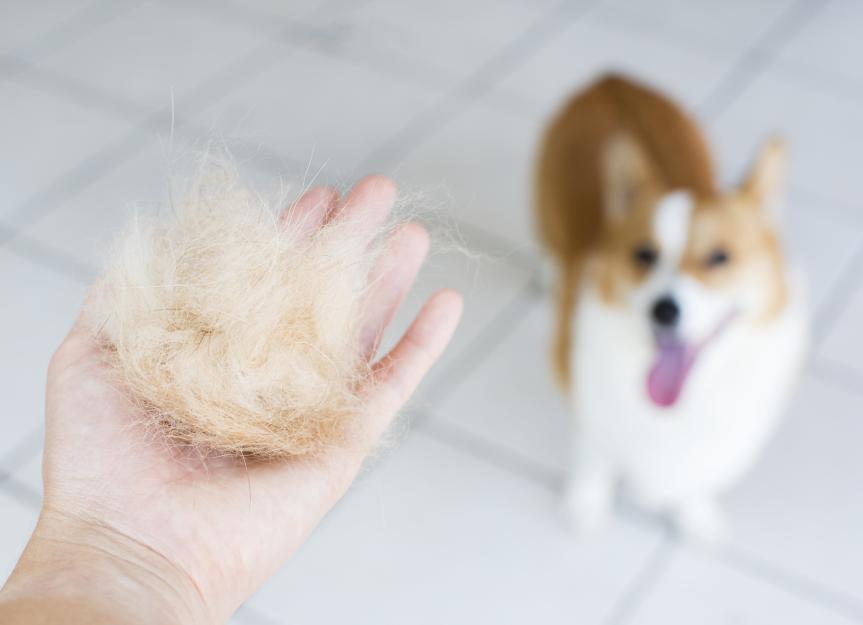
Dog Shedding SOS: Why It's Happening and How to Handle Excessive Hair Loss
Here's a counter-intuitive truth: that adorable fluffball you call a Pomeranian might actually shed *less* than your neighbor's sleek Labrador. Genetics are weird, I know. Shedding is normal, but *excessive* shedding can signal something's off. So, let's get to the bottom of this hairy situation.
For Busy Owners: Normal dog shedding varies by breed and season. Excessive shedding can point to diet issues, allergies, or underlying health problems. If you see bald patches, skin issues, or behavioral changes, a vet visit is non-negotiable.
Why is My Dog Suddenly Shedding So Much Hair? Understanding the Root Causes
Excessive shedding in dogs can stem from various factors, from seasonal changes to underlying health problems. It's mission-critical to differentiate between normal shedding and a potential issue. This involves observing the coat's condition and the presence of any skin abnormalities. Think of it as detective work, but with more fur.
The clinical perspective? It often boils down to the skin's barrier function. When the skin's lipid layer is compromised (due to allergies or poor nutrition, for example), it leads to inflammation. This inflammation disrupts the hair follicle cycle, causing increased hair fall. We're talking about a cascade of inflammatory cytokines and disrupted keratinocyte function here.
What's Considered Normal Dog Shedding? Decoding Your Dog's Furry Signals
“Normal” dog shedding is highly variable, depending on breed, coat type, and the time of year. Some breeds, like Siberian Huskies, are genetically predisposed to heavy seasonal shedding due to their double coats. Understanding your dog's baseline shedding pattern is the first step in recognizing when something is amiss.
Honestly, what I tell my clients is this: know your dog. A Chihuahua will shed differently than a Great Pyrenees. Short-haired breeds often have denser undercoats, which can lead to more consistent, if less noticeable, shedding. Long-haired breeds tend to have dramatic seasonal blowouts.
Home-Care Hacks for Managing Normal Shedding
- Regular Brushing: This is non-negotiable. Use a slicker brush or FURminator to remove loose hair before it ends up on your furniture.
- Bathing: Bathe your dog regularly (but not *too* often, as over-bathing can dry out the skin). Use a dog-specific shampoo formulated for shedding.
- Diet: A high-quality diet rich in omega-3 fatty acids can improve coat health and reduce shedding.
Could Diet Be Causing My Dog to Shed Excessively? The Nutrition Connection
Diet plays a massive role in coat health and shedding. A deficiency in essential nutrients, particularly protein and omega fatty acids, can lead to a dull, brittle coat and increased shedding. Always choose a dog food that meets AAFCO standards and is appropriate for your dog's life stage and activity level.
From a clinical perspective, remember that the skin is the largest organ in the body. It requires a significant amount of nutrients to maintain its integrity. A diet lacking in essential amino acids or fatty acids will compromise keratin production, leading to weaker hair shafts that break and shed more easily. We're talking about the direct impact of nutrient availability on epidermal turnover and hair follicle function.
Red Flag Checklist: When Diet-Related Shedding Becomes an Emergency
- Sudden, dramatic increase in shedding despite no seasonal changes.
- Dull, dry, or brittle coat.
- Skin lesions, redness, or itching.
- Other signs of nutritional deficiency, such as weight loss or muscle wasting.
Is My Dog's Shampoo the Culprit Behind the Shedding? Grooming Gone Wrong
Using the wrong shampoo can wreak havoc on your dog's skin and coat. Human shampoos are too harsh and can strip away essential oils, leading to dryness, irritation, and increased shedding. Only use dog-specific shampoos that are formulated to maintain the skin's natural pH balance.
Let me tell you, in the exam room, I often see dogs with skin issues directly linked to inappropriate grooming products. The skin's acid mantle (pH) is mission-critical for preventing bacterial and fungal overgrowth. Harsh shampoos disrupt this mantle, making the skin more susceptible to infections and inflammation, which, in turn, increases shedding.
Home-Care Hacks: Choosing the Right Shampoo and Bathing Techniques
- Choose a Dog-Specific Shampoo: Look for shampoos that are pH-balanced for dogs and free of harsh chemicals.
- Avoid Over-Bathing: Bathing too frequently can dry out the skin. Aim for once every 1-2 months, unless your dog is particularly dirty.
- Rinse Thoroughly: Residual shampoo can irritate the skin. Make sure to rinse thoroughly until the water runs clear.
Could Allergies Be Making My Dog Shed Excessively and Itchy? The Allergy Angle
Allergies are a common cause of excessive shedding and itchy skin in dogs. Food allergies and environmental allergies (such as pollen, dust mites, and mold) can trigger an inflammatory response in the skin, leading to increased shedding and pruritus (itching).
The biological "why" here is complex. When an allergen binds to IgE antibodies on mast cells in the skin, it triggers the release of histamine and other inflammatory mediators. This leads to vasodilation, increased permeability of blood vessels, and infiltration of inflammatory cells into the skin. The result? Itchy, inflamed skin that sheds excessively. We're also talking about the role of cytokines like IL-31, which directly contribute to the sensation of itch.
The Red Flag Checklist: When Allergies Require Veterinary Intervention
- Excessive scratching, licking, or chewing at the skin.
- Red, inflamed skin.
- Hair loss, especially around the face, paws, and groin.
- Recurrent ear infections.
Is Stress Causing My Dog to Shed More Than Usual? The Stress Factor
Stress can absolutely contribute to increased shedding in dogs. A sudden change in routine, loud noises, or the introduction of a new pet or family member can trigger the release of stress hormones, which can disrupt the hair follicle cycle and lead to increased shedding. It's a "fight or flight" response gone awry.
The underlying mechanism involves the hypothalamic-pituitary-adrenal (HPA) axis. When a dog experiences stress, the hypothalamus releases corticotropin-releasing hormone (CRH), which stimulates the pituitary gland to release adrenocorticotropic hormone (ACTH). ACTH then stimulates the adrenal glands to release cortisol, the primary stress hormone. Chronically elevated cortisol levels can suppress immune function and disrupt hair follicle growth, leading to increased shedding. We're talking about the impact of glucocorticoids on keratinocyte proliferation and differentiation.
When Should I Be Concerned and See a Vet About My Dog's Shedding?
If your dog's shedding is accompanied by other symptoms, such as hair loss, skin lesions, itching, or changes in behavior, it's mission-critical to consult with your veterinarian. These symptoms could indicate an underlying medical condition that requires treatment.
Red Flag Checklist: Symptoms That Warrant a Vet Visit
- Areas of complete hair loss (alopecia).
- Skin lesions, such as redness, bumps, or scabs.
- Excessive itching, scratching, or licking.
- Changes in appetite or thirst.
- Lethargy or weakness.