

Dog Flea Masterclass: Stop the Itch, Protect Your Pup, Reclaim Your Home
Here's a counter-intuitive fact I tell clients in the exam room: those "natural" flea collars you buy online? They're about as effective as wishing the fleas away. Often, they expose your dog to unnecessary toxins without actually killing the fleas.
For Busy Owners: Fleas are more than just itchy pests; they can transmit diseases and cause anemia in severe cases. Effective flea control requires a multi-pronged approach: vet-approved medication, regular grooming with a flea comb, and thorough cleaning of your home. Year-round prevention is mission-critical to avoid infestations and protect your dog's health.
Why Is My Dog Suddenly Itchy? Recognizing Flea Infestation Symptoms
The most common signs of fleas on dogs include flea bites, itchy skin, and excessive grooming. You might notice small, red bumps on your dog's skin, especially around the neck, back, and legs. Intense itching, often focused at the base of the tail, is another telltale sign.
Let's get into the gritty details. Flea bites trigger a cascade of inflammatory mediators – histamine, cytokines, and leukotrienes – that bind to receptors on nerve endings, causing that maddening itch (pruritus, in vet-speak). Some dogs develop flea allergy dermatitis (FAD), where even a single flea bite can set off an intense allergic reaction, leading to self-trauma from scratching and secondary bacterial infections (hot spots). I've seen cases where FAD leads to full-blown pyoderma, requiring weeks of antibiotics.
- Flea bites: Look for small, red bumps, often in clusters.
- Itchy skin: Pay special attention to the base of the tail, hind legs, and groin.
- Excessive grooming: Your dog might be biting, licking, or scratching excessively.
- Hair loss: Constant scratching can lead to hair loss, especially in areas of intense itching.
- Flea dirt: These are actually flea feces – tiny, black specks that resemble dirt. You can find them on your dog's fur or bedding. A little trick I tell owners is to put the specks on a wet paper towel. If they dissolve into a reddish-brown color, it's flea dirt (digested blood).
- Live fleas: Reddish-brown insects scurrying through the fur. They're fast and difficult to catch.
- Skin irritation: Redness, inflammation, and even hot spots can develop.
- Restlessness: Your dog might be unable to settle down or sleep comfortably due to the itching.
- Tapeworms: Fleas can carry tapeworm larvae. If your dog ingests an infected flea (while grooming), they can develop a tapeworm infection. You might see rice-like segments around the anus.
- Pale gums and lethargy: In severe infestations, especially in puppies, blood loss from flea bites can lead to anemia. This is mission-critical.
The Clinical Perspective (Biological 'Why'): Fleas are not just surface irritants; they are blood-sucking machines. Each flea can consume up to 15 times its body weight in blood. A heavy infestation can lead to significant blood loss, resulting in iron deficiency anemia. In puppies, this can be life-threatening. The constant irritation and inflammation also weaken the immune system, making your dog more susceptible to other infections.
Home-Care Hacks (Low-cost, practical tips):
- Apple Cider Vinegar Rinse: Dilute apple cider vinegar with water (1:1 ratio) and use it as a final rinse after bathing your dog. It can help repel fleas due to its acidity.
- Herbal Flea Repellent: Mix equal parts of rosemary, mint, and rue. Grind them into a powder and sprinkle it on your dog's bedding.
- Diatomaceous Earth (Food Grade): Sprinkle food-grade diatomaceous earth (DE) on your carpets and pet bedding. DE is made from fossilized algae and acts as a natural insecticide. Let it sit for a few hours, then vacuum thoroughly.
The Red Flag Checklist (When to panic vs. when to wait):
- Pale gums and lethargy: Rush to the vet. This indicates severe anemia.
- Difficulty breathing: Flea allergy can sometimes trigger anaphylaxis.
- Seizures: Rare, but possible in severe infestations or allergic reactions.
- Hot spots that are rapidly spreading: A sign of secondary bacterial infection.
How To Get Rid of Fleas on Dogs: A Multi-Pronged Strategy
Getting rid of fleas on dogs requires a strategic, multi-pronged approach. This involves using vet-recommended flea treatments, performing regular flea checks with a flea comb, and giving your dog regular flea baths. It's also mission-critical to treat your home to prevent re-infestation.
Honestly, relying on a single method is like trying to bail out a sinking boat with a teaspoon. You need the big guns: prescription-strength medication, environmental control, and diligent grooming. And let's be clear: consistency is non-negotiable.
Vet-Recommended Flea Treatment: Why Prescription Strength Matters
Using a vet-approved monthly preventive flea medication is mission-critical for protecting your pet from harmful pests. Flea treatments can be administered orally, applied topically, or through a preventive collar.
Here's the deal: over-the-counter flea treatments often contain outdated or ineffective ingredients. Fleas can develop resistance to pyrethrins and pyrethroids, rendering these products useless. Vet-prescribed medications, on the other hand, contain newer-generation insecticides like isoxazolines (e.g., fluralaner, afoxolaner, sarolaner) that are highly effective and have a wider margin of safety.
These medications work by disrupting the flea's nervous system, leading to paralysis and death. Isoxazolines, for example, block the action of GABA-gated chloride channels, which are essential for nerve function in insects (and, to a lesser extent, mammals). The selective toxicity is due to differences in the structure of these channels between insects and mammals.
Dog Flea Comb: Detecting and Removing Fleas
Performing daily flea checks using a fine-toothed metal flea comb is an important step in getting rid of fleas on dogs. This isn't just a regular brushing; the goal is to physically remove fleas at every stage of their life cycle.
Think of flea combing as archaeological excavation. You're not just looking for adult fleas; you're searching for flea dirt, eggs, and larvae. Flea eggs are tiny, pearly white ovals that easily fall off the dog's coat and contaminate the environment. Flea larvae are worm-like creatures that feed on flea dirt and organic debris. Removing these stages is critical to preventing re-infestation.
Home-Care Hacks:
- Bathtub Technique: Use the flea comb in the bathtub to prevent eggs and flea dirt from spreading.
- Soapy Water Dip: Dip the comb in soapy water after every few strokes to drown any fleas or eggs you've removed.
- Alarm Reminder: Set an alarm on your phone to remind yourself of your pup's daily flea check.
Flea Bath for Dogs: Immediate Relief
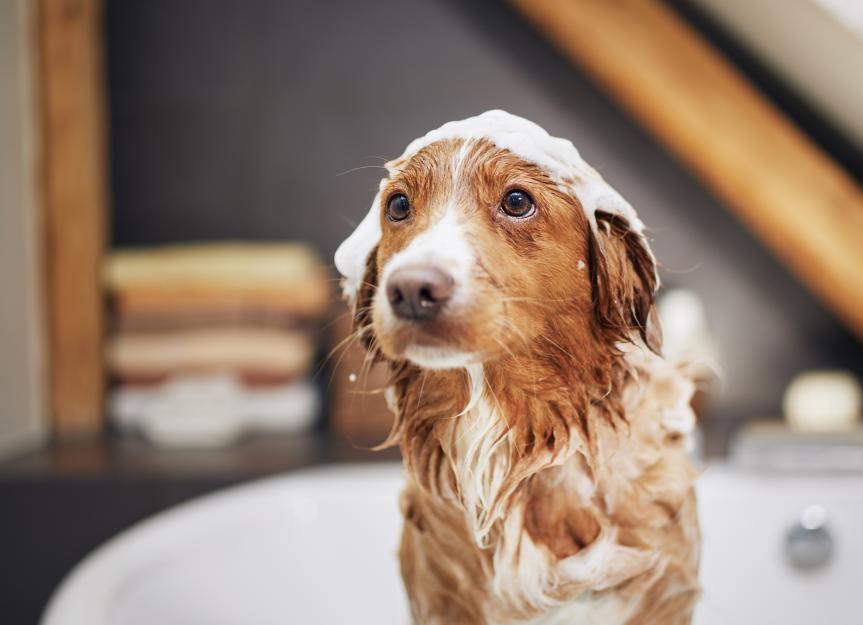
A flea bath can provide quick relief and help get an active flea problem under control. Many flea shampoos and sprays are available for you to choose from.
Here's the catch: flea shampoos only kill adult fleas that are present on the dog at the time of bathing. They don't provide any residual protection against re-infestation. That's why it's mission-critical to combine a flea bath with a long-acting flea preventive.
Most flea shampoos contain pyrethrins or pyrethroids as the active ingredient. These chemicals disrupt the flea's nervous system, causing paralysis and death. However, as mentioned earlier, fleas can develop resistance to these chemicals. Some shampoos also contain insect growth regulators (IGRs) like methoprene or pyriproxyfen, which interfere with the development of flea larvae and prevent them from maturing into adults.
Treating Your Home for Fleas: Environmental Control
Cleaning your home frequently, vacuuming at least every other day, is just as mission-critical as treating your pet. Room sprays and other products may be used in combination with medication to help eliminate fleas and flea eggs in the places your dog hangs out.
Let's be frank: your home is a flea breeding ground. Flea eggs can survive for months in carpets, upholstery, and cracks in the floor. Vacuuming removes eggs, larvae, and pupae. Washing pet bedding in hot water kills any remaining fleas or eggs.
Home-Care Hacks:
- Vacuuming Technique: Vacuum all upholstered furniture, floors, carpets, rugs, and baseboards. Pay special attention to areas where your dog spends most of their time.
- Vacuum Disposal: Carefully empty the vacuum into a sealed bag and dispose of it far from your house.
- Pet Bedding: Frequently wash any pet bedding with hot water and dry on high heat or in direct sunlight.
- Steam Cleaning: Steam cleaning carpets and upholstery can kill fleas and eggs.
- Insecticide Sprays: Use insecticide sprays that contain IGRs to kill flea larvae and prevent them from developing into adults.
How To Prevent Fleas on Dogs: Year-Round Vigilance
The best way to fight off fleas is to prevent their presence altogether. Keeping your dog and home flea-free requires regular monthly preventive medication that works continually to protect your pet from the inside out.
Fleas thrive in warm, humid environments. But honestly, they can survive year-round, especially indoors. That's why year-round flea prevention is mission-critical, even if you live in a colder climate. Fleas can hitchhike on your clothing or shoes and be brought into your home, where they can quickly infest your pet.
The Clinical Perspective: Flea saliva contains allergens that can trigger an exaggerated immune response in sensitive dogs. This leads to intense itching, inflammation, and self-trauma. Chronic flea exposure can also weaken the immune system, making your dog more susceptible to other infections. I've seen cases where chronic flea allergy dermatitis leads to secondary bacterial and fungal infections, requiring long-term treatment with antibiotics and antifungals.
How To Get Rid of Fleas on Dogs FAQs
What kills fleas on dogs instantly?
Medicated flea shampoos can kill fleas instantly on dogs when used exactly how the product label suggests. However, they don't provide long lasting protection.
How quickly can fleas infest a dog?
A flea infestation can happen quickly. Within 24–48 hours of getting on your dog, fleas can bite, feed, mate, and begin laying eggs.
Why is it hard to get rid of fleas on dogs?
Flea eggs are tiny and numerous, making them hard to remove. They often require insect growth regulators (IGRs) to kill them.
What do flea bites look like on dogs?
Flea bites on dogs are tiny, red, raised, and itchy bumps often found in clusters.