

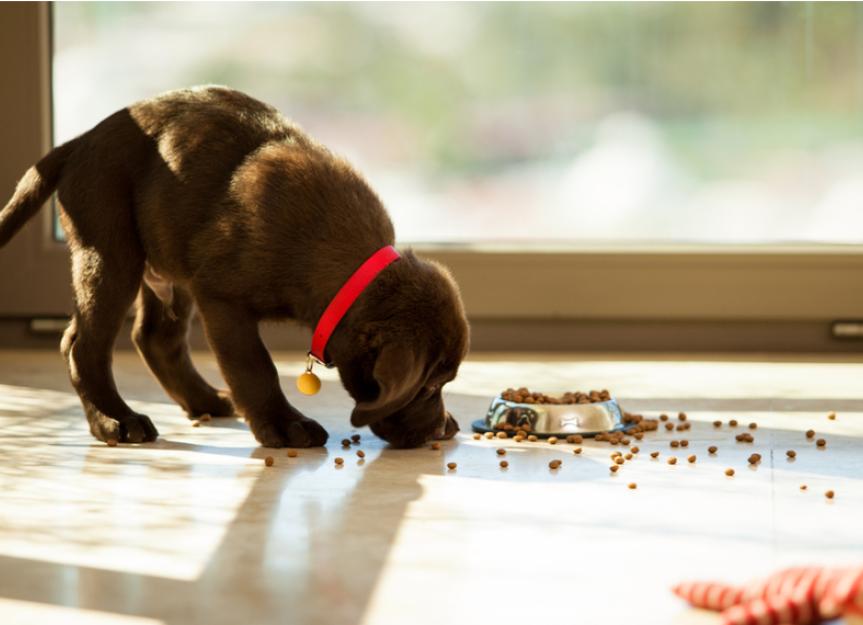
My Puppy Stopped Growing! Decoding Growth Stunting in Dogs
Here's a fact that hits hard: that 'runt of the litter' might not catch up, no matter how much you feed them. Sometimes, the damage is already done in utero. I've seen it in the exam room too many times; owners scratching their heads about why little Fido isn't so little anymore.
Busy Owner Summary: If your puppy isn't growing as expected, several factors could be at play, from intestinal parasites stealing nutrients to genetic predispositions. Overfeeding to compensate isn't the answer; it can cause more harm than good. Consult your veterinarian to identify the root cause and create a tailored plan.
Why is My Puppy Not Growing? Unpacking Puppy Growth Stunting
Puppy growth stunting occurs when a puppy doesn't grow at the expected rate for its age and breed. This can be due to various factors, including parasites, malnutrition, genetics, or underlying health conditions. Early identification and intervention are mission-critical to maximize the puppy's potential for healthy development. The underlying biology often involves disruptions to the growth hormone axis, impacting bone and muscle development.
Growth stunting, honestly, is when your pup isn't hitting the milestones they should. We're talking about a noticeable lag in size and weight compared to their littermates or breed standards. It's not just about being small; it's about a failure to thrive. If it seems like your pup is permanently stuck in “itty bitty” mode, it is time to dig deeper.
The Clinical Perspective (Biological 'Why')
At the biological level, several things might be going wrong. Growth depends on a complex interplay of hormones, especially growth hormone (GH) and insulin-like growth factor 1 (IGF-1). GH stimulates the liver to produce IGF-1, which then promotes cell growth and division, especially in bones and muscles. Any disruption in this pathway – whether it's due to genetic defects affecting GH production, nutritional deficiencies hindering IGF-1 synthesis, or chronic diseases interfering with hormone signaling – can lead to stunted growth. Certain genetic conditions can also impact chondrocytes, the cells responsible for cartilage formation in growth plates, further hindering skeletal development.
Home-Care Hacks (Low-Cost, Practical Tips)
- Diet Diary: Keep a detailed record of what and how much your puppy eats. Note the brand, type, and quantity of food, as well as any treats or supplements.
- Regular Weigh-Ins: Use a baby scale to monitor your puppy's weight weekly. Consistent tracking helps you identify plateaus or declines early on.
- Photographic Evidence: Take photos of your puppy next to a common object (like a water bottle) every week. This provides a visual record of their growth.
The Red Flag Checklist (When to Panic vs. When to Wait)
- Rapid Weight Loss: If your puppy is losing weight instead of gaining, that's a major red flag.
- Lethargy and Weakness: A puppy that's unusually tired or weak needs immediate veterinary attention.
- Persistent Vomiting or Diarrhea: These symptoms can indicate underlying health problems that are interfering with growth.
- Noticeable Deformities: Any visible abnormalities in bone structure warrant a vet visit.
Does Worm Infection Really Cause Stunted Growth in Puppies?
Worm infections, particularly with hookworms and roundworms, are a common cause of stunted growth in puppies. These parasites steal vital nutrients from the puppy's digestive tract, hindering their ability to grow and develop properly. A heavy worm burden can lead to malnutrition and a failure to thrive. The worms physically interfere with nutrient absorption in the small intestine, leading to deficiencies in essential amino acids, vitamins, and minerals.
Intestinal parasites are rampant, especially in young pups. They pick them up from their mother (transplacentally or through milk) or from sniffing around in contaminated environments. These worms are nutrient thieves, plain and simple. They latch onto the intestinal wall and suck the life out of your puppy. What I tell my clients is, it’s like having a bunch of tiny vampires in their gut.
The Clinical Perspective (Biological 'Why')
Hookworms, for example, attach to the intestinal lining and feed on blood, leading to anemia and protein loss. Roundworms, on the other hand, compete directly with the puppy for nutrients in the gut. A heavy worm burden can impair the absorption of essential amino acids, vitamins, and minerals, all of which are mission-critical for growth and development. The puppy's body prioritizes survival over growth, shunting resources away from skeletal and muscle development.
Home-Care Hacks (Low-Cost, Practical Tips)
- Fecal Checks: Regularly submit fecal samples to your vet for parasite screening. Early detection is key.
- Proactive Deworming: Follow your vet's recommended deworming schedule religiously. Don't skip doses.
- Hygiene Habits: Practice good hygiene by cleaning up feces promptly from your yard and play areas.
The Red Flag Checklist (When to Panic vs. When to Wait)
- Pot-Bellied Appearance: A swollen abdomen, despite a thin body condition, is a classic sign of heavy worm infestation.
- Diarrhea (Especially with Blood): Bloody diarrhea can indicate severe intestinal damage from parasites.
- Dull Coat and Skin Issues: Poor coat quality and skin problems can be signs of malnutrition due to worm infestation.
Can Malnutrition Lead to Stunted Growth in Puppies?
Severe malnutrition can certainly lead to stunted growth in puppies. While mild underfeeding or switching to adult food too early is unlikely to cause significant stunting, chronic and severe nutrient deficiencies can impair growth and development. However, overfeeding and supplementing can be equally detrimental, especially for large-breed puppies. The underlying issue is a lack of essential building blocks for growth, such as protein, vitamins, and minerals. Malnutrition directly impairs the production of growth factors and hormones necessary for bone and muscle development.
Honestly, it's a balancing act. You want to feed your puppy enough to support growth, but not so much that they become overweight. I always tell my clients to focus on quality over quantity. A well-balanced diet is far more mission-critical than simply shoveling in more food.
The Clinical Perspective (Biological 'Why')
Malnutrition disrupts the entire metabolic process. Protein deficiency, for example, impairs the synthesis of enzymes and structural proteins necessary for tissue growth and repair. Vitamin and mineral deficiencies can affect bone mineralization, hormone production, and immune function. In severe cases, malnutrition can lead to a catabolic state, where the body breaks down its own tissues to provide energy, further hindering growth. The body starts cannibalizing itself, pulling resources from everywhere, including developing bones and muscles.
Home-Care Hacks (Low-Cost, Practical Tips)
- High-Quality Puppy Food: Choose a puppy food formulated for their breed size and life stage.
- Proper Portioning: Measure food portions carefully, following the guidelines on the food label or your vet's recommendations.
- Avoid Table Scraps: Table scraps can unbalance your puppy's diet and lead to nutritional deficiencies.
The Red Flag Checklist (When to Panic vs. When to Wait)
- Ribs Easily Visible: If you can easily see your puppy's ribs, they may be underweight.
- Lack of Energy: A malnourished puppy will often be lethargic and have little interest in playing.
- Poor Muscle Development: A lack of muscle mass is a sign of protein deficiency.
Will Spaying or Neutering Cause Stunting in My Puppy?
Early spaying or neutering will not stunt your puppy's growth in terms of overall size, but it can affect the growth plates, potentially leading to taller-than-average height, especially in large-breed dogs. This is because sex hormones like estrogen and testosterone play a role in signaling the closure of growth plates. Removing these hormones early can delay closure, allowing the long bones to grow for a longer period. The hormonal impact on bone growth is the key here.
Here’s the deal: spaying and neutering before puberty can mess with the timing of growth plate closure. It's not about stunting growth; it's about altering the *way* they grow. I always discuss the pros and cons with my clients, especially those with larger breeds.
The Clinical Perspective (Biological 'Why')
Estrogen and testosterone stimulate the maturation and eventual closure of growth plates, the areas of cartilage at the ends of long bones where growth occurs. When these hormones are removed through spaying or neutering, the growth plates may remain open for a longer period, resulting in increased long bone length. This can lead to a taller, lankier build, and potentially increase the risk of joint problems like hip dysplasia or cruciate ligament tears. The absence of hormonal signals impacts the rate of chondrocyte differentiation and ossification within the growth plates.
Home-Care Hacks (Low-Cost, Practical Tips)
- Delay the Procedure: For large-breed dogs, consider delaying spaying or neutering until after puberty (around 12-18 months of age).
- Monitor Joint Health: Watch for signs of joint pain or stiffness, especially during growth spurts.
- Maintain a Healthy Weight: Keeping your puppy at a healthy weight reduces stress on their joints.
The Red Flag Checklist (When to Panic vs. When to Wait)
- Limping or Stiffness: Any signs of lameness warrant a vet visit.
- Reluctance to Exercise: A sudden decrease in activity level can indicate joint pain.
- Clicking or Popping Sounds: Noises coming from the joints can be a sign of underlying problems.
Can Strenuous Exercise Impact Puppy Growth?
Strenuous exercise itself won't stunt your puppy's growth, but excessive impact and stress on developing joints can damage the growth plates, potentially leading to abnormal bone development and joint problems later in life. This is particularly relevant for large-breed puppies, whose joints are already under more stress due to their size and weight. The repetitive impact can cause micro-fractures and inflammation within the growth plates, disrupting normal bone formation.
Think of those growth plates as soft cartilage. Pounding them with excessive exercise before they've fully hardened is a recipe for disaster. I tell my clients it's like running a marathon on a sprained ankle – not a good idea.
The Clinical Perspective (Biological 'Why')
The growth plates are composed of cartilage cells (chondrocytes) that proliferate and gradually transform into bone. Excessive impact can disrupt this process, leading to inflammation, micro-fractures, and premature closure of the growth plates in certain areas. This can result in angular limb deformities (e.g., bowed legs) or uneven bone growth. The inflammatory response triggered by repetitive stress interferes with chondrocyte differentiation and matrix production.
Home-Care Hacks (Low-Cost, Practical Tips)
- Controlled Play: Limit high-impact activities like jumping and running on hard surfaces.
- Soft Surfaces: Encourage play on grass or other soft surfaces.
- Avoid Forced Exercise: Don't force your puppy to run or exercise beyond their comfort level.
The Red Flag Checklist (When to Panic vs. When to Wait)
- Limping After Exercise: Lameness that appears after exercise is a sign of joint stress.
- Swollen Joints: Swelling around the joints can indicate inflammation or injury.
- Changes in Gait: Any noticeable changes in your puppy's walking or running pattern warrant a vet visit.
Are Some Dog Breeds More Prone to Stunting?
While any puppy can experience stunted growth due to the factors mentioned above, certain breeds are predisposed to specific genetic conditions that can affect growth. Pituitary dwarfism, for example, is a rare condition seen in German Shepherds and some Labrador Retrievers, caused by a deficiency in growth hormone production. These conditions are rare but important to rule out in cases of unexplained growth stunting. The underlying cause is a genetic mutation affecting the development or function of the pituitary gland, which produces growth hormone.