

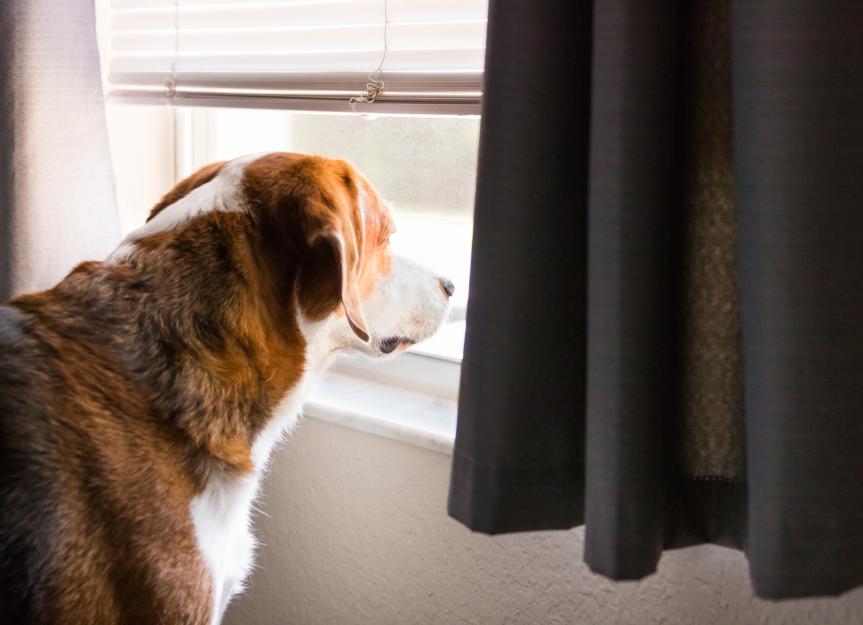
My Dog Freaks Out When I Leave: A Vet's Guide to Separation Anxiety
Here's a counter-intuitive fact I tell my clients all the time: excessive attention might actually *cause* separation anxiety in dogs. It's not always about missing you; it's sometimes about an inability to self-soothe because they've never had to.
For Busy Owners: Separation anxiety is a common but treatable behavioral problem where dogs get extremely stressed when left alone. Symptoms range from destructive chewing and house soiling to excessive barking and pacing. Treatment involves behavior modification, creating a safe space, and sometimes medication.
Why Is My Dog Suddenly Pacing and Anxious When I Leave? Understanding Separation Anxiety.
Separation anxiety in dogs is a real behavioral disorder, characterized by significant distress when a dog is separated from their owner. This isn't just a case of missing you; it's a full-blown anxiety response that can manifest in a variety of destructive and distressing ways. It's more than just whining at the door; it's a cascade of physiological responses.
Think of it this way: when a dog experiences separation anxiety, their body goes into a state of hyperarousal. Their heart rate increases, stress hormones like cortisol flood their system, and they enter a state of panic. This anxiety can stem from various factors, including genetic predispositions, early life experiences, and changes in routine. The amygdala, the brain's emotional center, becomes overactive, leading to exaggerated fear responses. The key is that the dog's perception of being alone triggers a deep-seated fear response, leading to the observed behaviors.
What Are the Most Common Signs and Symptoms of Separation Anxiety in Dogs?
The symptoms of separation anxiety appear when you're not around, and sometimes even before you leave. These symptoms can be mild to severe, and recognizing them early is mission-critical for effective intervention.
- Clingy Behavior: Shadowing you around the house, constantly seeking attention.
- Decreased Activity and Appetite: A noticeable drop in energy levels and disinterest in food when you prepare to leave. Biologically, this is tied to the release of corticotropin-releasing factor (CRF), which suppresses appetite and reduces exploratory behaviors in response to stress.
- Destructive Behaviors: This is where it gets costly. Chewing furniture, scratching doors, destroying personal items. This isn't just naughtiness; it's a displacement behavior fueled by anxiety. The dog is trying to release pent-up energy and frustration.
- Restless Behavior: Panting, pacing, excessive salivation (ptyalism). These are classic signs of a dog in distress. The sympathetic nervous system is firing on all cylinders, preparing the body for "fight or flight."
- Shivering or Trembling: Another sign of heightened anxiety. The muscles tense up in response to the perceived threat.
- House Soiling: Urinating or defecating indoors, even if the dog is otherwise house-trained. This isn't just an accident; it's often a sign of extreme anxiety and loss of control over bodily functions.
- Vocalization: Howling, barking, or whining excessively. This is an attempt to communicate distress and potentially call for help.
- Vomiting and Diarrhea: In severe cases, the stress can manifest as gastrointestinal upset. The gut-brain axis is a powerful connection, and anxiety can directly impact digestive function, leading to changes in gut motility and secretion. I've seen this in the exam room more than once; a seemingly healthy dog suddenly develops diarrhea the moment the owner mentions separation issues.
What's Really Causing My Dog's Separation Anxiety? The Clinical Perspective
Honestly, pinpointing the exact cause is often like trying to catch smoke. It's usually a combination of factors, but understanding the potential triggers can help you manage the condition.
- Genetics and Temperament: Some dogs are simply predisposed to anxiety. Just like humans, some breeds are more prone to anxiety disorders than others.
- Changes in Routine: Even seemingly minor changes can trigger anxiety. A new work schedule, a move to a new house, or even a change in the owner's daily habits can disrupt a dog's sense of security.
- Traumatic Experiences: A history of abandonment, abuse, or neglect can leave lasting emotional scars. These experiences can sensitize the dog to future separations.
- Lack of Socialization: Dogs who haven't been properly socialized as puppies may be more prone to anxiety in general. Early socialization helps puppies develop coping mechanisms and resilience to stress.
- Underlying Medical Conditions: Sometimes, anxiety-like symptoms can be caused by underlying medical issues. Cognitive dysfunction (doggy dementia), for example, can manifest as increased anxiety and confusion. It's crucial to rule out medical causes before assuming it's purely behavioral.
How Do Vets Diagnose Separation Anxiety? What Tests Are Needed?
There’s no single blood test for separation anxiety. Diagnosis relies heavily on observing the dog's behavior, ideally through video recordings taken when you're not home. I tell my clients to think of themselves as detectives, gathering clues to help me understand what's happening.
Your veterinarian may perform blood work, urine tests, and other diagnostic procedures to rule out underlying medical conditions that could be contributing to the symptoms. For example, hyperthyroidism can cause increased activity and anxiety, while urinary tract infections can lead to house soiling. Ruling out these medical causes is a non-negotiable first step.
Video evidence is the gold standard for diagnosis. A pet camera can capture the dog's behavior in your absence, providing invaluable information about the frequency, intensity, and duration of the anxiety symptoms. This helps differentiate separation anxiety from other behavioral issues, such as boredom or lack of training.
Dog Separation Anxiety: What Are the Most Effective Treatments?
Treating separation anxiety requires a multi-faceted approach. It's not a quick fix; it requires patience, consistency, and a willingness to work with your dog.
- Behavior Modification: This is the cornerstone of treatment. It involves gradually desensitizing the dog to separation cues and teaching them coping mechanisms. This might involve creating a safe space, using puzzle toys to distract them, and gradually increasing the duration of time they spend alone.
- Medication: In some cases, medication may be necessary to help manage the anxiety. Anti-anxiety medications can help reduce the intensity of the dog's fear response, making them more receptive to behavior modification. However, medication should always be used in conjunction with behavior modification, not as a standalone treatment.
- Pheromone Therapy: Products like Adaptil® release synthetic pheromones that mimic the scent of a nursing mother dog, which can have a calming effect. These products can be helpful as an adjunct to other treatments.
- Creating a Safe Space: Designate a specific area in your home as the dog's safe haven. This could be a crate, a bed, or a quiet corner. Make sure this space is comfortable, secure, and filled with the dog's favorite toys.
- Consistency is Key: Stick to a consistent daily routine, including feeding times, walks, and playtime. This helps the dog feel more secure and predictable.
Home-Care Hacks: Practical Tips for Owners Dealing with Anxious Dogs
- Pre-Departure Routine: Avoid making a big fuss when you leave. The less attention you draw to your departure, the better.
- Puzzle Toys: Offer your dog a puzzle toy filled with treats before you leave. This can help distract them and provide mental stimulation.
- White Noise: Play calming music or white noise to mask external sounds that might trigger anxiety.
- Thundershirt: A Thundershirt is a snug-fitting vest that applies gentle pressure to the dog's body, which can have a calming effect.
- Exercise: Make sure your dog gets plenty of exercise before you leave. A tired dog is less likely to be anxious.
The Red Flag Checklist: When Is It Time to Panic?
- Self-Harm: If your dog is injuring themselves (e.g., chewing their paws raw, causing skin abrasions), it's time to seek immediate veterinary attention.
- Severe Destruction: If the destruction is escalating rapidly and causing significant damage to your home, it's a sign that the anxiety is out of control.
- Complete Loss of Appetite: If your dog refuses to eat for more than 24 hours, it's a cause for concern.
- Uncontrollable Vocalization: If the barking or howling is incessant and disturbing the neighbors, it's a sign that the anxiety is severe.
- Failure to Respond to Treatment: If you've tried behavior modification and medication without success, it's time to consult with a veterinary behaviorist.
Can Separation Anxiety in Dogs Be Prevented? Early Intervention Strategies
While not always preventable, early socialization and training can significantly reduce the risk of separation anxiety. Expose puppies to a variety of people, places, and situations to help them develop confidence and resilience. Teach them to be comfortable spending time alone, starting with short periods and gradually increasing the duration. Positive reinforcement is key; reward calm and relaxed behavior with treats and praise. Avoid coddling or overly comforting the puppy when they're anxious, as this can inadvertently reinforce the anxiety. If you anticipate a major lifestyle change, such as a new job or a move, gradually acclimate your dog to the change to minimize stress. Remember, prevention is always better (and cheaper) than cure.