

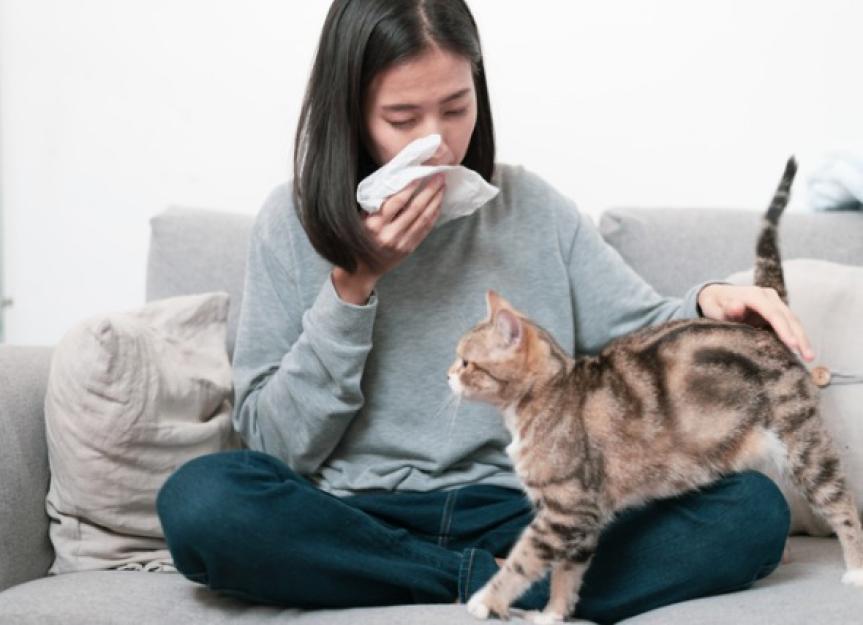
Cat Allergy Breakthroughs: Real Solutions Beyond the Sneezing
Here's a fact that might make you do a double-take: it's not the fur causing your misery around cats. The real culprit is a protein called Fel d1 found in cat saliva. Fortunately, new research offers hope for allergy sufferers, targeting this protein directly with innovative treatments.
For Busy Owners: Cat allergies are triggered by the Fel d1 protein, not cat hair. New treatments like the HypoCat vaccine and Purina's LiveClear diet aim to neutralize this protein in cats. This could mean fewer allergy symptoms for you, without having to re-home your beloved feline.
Why Am I Still Sneezing? Debunking Cat Allergy Myths
If you're one of the many individuals worldwide who experience allergic symptoms around cats, you might be surprised to learn that cat hair isn't the primary trigger. The actual instigator is a protein, Fel d1, found in a cat's saliva and sebaceous glands. This is why even hairless cats can cause allergic reactions, as they still produce Fel d1.
The Fel d1 protein binds to dander, tiny flecks of dead skin, and becomes airborne when cats groom themselves. These allergen-laden particles then circulate in the environment, triggering an immune response in sensitive individuals. When the immune system detects Fel d1, it releases histamines and other inflammatory chemicals, leading to the classic allergy symptoms: sneezing, wheezing, itchy eyes, and a runny nose. It's a cascade of events all stemming from that tiny protein.
How Does the Fel d1 Protein Cause Cat Allergies? The Clinical Perspective
The allergic reaction to Fel d1 is a classic example of an overzealous immune response. When a susceptible person inhales or comes into contact with Fel d1, their immune system mistakenly identifies it as a threat. This triggers the production of IgE antibodies specific to Fel d1. These IgE antibodies then bind to mast cells, which are immune cells found in tissues throughout the body.
The next time the person is exposed to Fel d1, the allergen binds to the IgE antibodies on the mast cells, causing them to release a cocktail of inflammatory mediators, including histamine, leukotrienes, and prostaglandins. These chemicals cause the dilation of blood vessels, increased mucus production, and contraction of smooth muscle in the airways, leading to the characteristic symptoms of allergies. In severe cases, this can even lead to anaphylaxis, a life-threatening allergic reaction. Honestly, the body's reaction is way out of proportion to the actual threat posed by a simple protein.
What are the Latest Scientific Studies for Cat Allergy Cures?
Two recent studies offer hope for cat allergy sufferers by targeting the Fel d1 protein directly. Instead of focusing on minimizing a person's allergic response, these approaches aim to neutralize the allergen at its source. This represents a paradigm shift in cat allergy management, potentially offering long-term relief for those affected. It’s a mission-critical change in approach.
The HypoPet AG Vaccine: A Shot in the Arm for Allergy Relief
Scientists at HypoPet AG in Switzerland have developed a vaccine, HypoCat, designed to neutralize Fel d1 in cats. The vaccine works by stimulating the cat's immune system to produce antibodies that bind to and neutralize the Fel d1 protein, reducing the amount of active allergen released into the environment. This is a proactive approach to allergy management, addressing the root cause of the problem rather than just treating the symptoms.
Studies have shown that cats vaccinated with HypoCat have significantly lower levels of Fel d1 in their blood. More importantly, allergic humans exposed to vaccinated cats reported fewer allergy symptoms compared to those exposed to unvaccinated cats. The company is currently pursuing registration studies and discussions to bring the vaccine to market in the US and Europe, with hopes of launching it soon. They also have a similar vaccine for dog allergies in development.
Purina Pro Plan LiveClear: Can a Diet Really Reduce Allergens?
Purina has taken a different approach with their Pro Plan LiveClear cat food, which aims to neutralize Fel d1 through diet. The food contains an egg-derived antibody that binds to Fel d1 in the cat's saliva, reducing the amount of active allergen that spreads when the cat grooms itself. This is a non-invasive and convenient way to manage cat allergies, simply by feeding your cat a specially formulated diet.
According to Purina's research, 86% of cats fed LiveClear experienced at least a 30% reduction in Fel d1 levels. While the study didn't directly measure human allergic response, the reduction in allergen levels suggests that it could significantly reduce allergy symptoms in sensitive individuals. It's like giving your cat a built-in allergy filter.
What Does This Mean for Owners? A Clinical Perspective
These advancements offer a glimmer of hope for cat allergy sufferers who want to keep their feline companions. In the exam room, I often see clients who are torn between their love for their cat and the misery of their allergies. Many resort to a combination of medications, air purifiers, and frequent cleaning to manage their symptoms. For some, it's enough, but for others, the allergies are simply too severe.
Home-Care Hacks: Managing Cat Allergies Right Now
- HEPA Filters: Invest in a high-efficiency particulate air (HEPA) filter to remove airborne allergens from your home.
- Regular Cleaning: Vacuum frequently, especially carpets and upholstery, to remove cat dander.
- Wash Bedding: Wash your bedding regularly in hot water to kill dust mites and remove allergens.
- Limit Exposure: Keep cats out of the bedroom to create an allergy-free zone.
- Bathing Your Cat: Regular bathing can help reduce the amount of Fel d1 on your cat's fur. Use a hypoallergenic shampoo.
Red Flag Checklist: When to See a Doctor About Cat Allergies
- Severe Symptoms: Seek immediate medical attention if you experience difficulty breathing, wheezing, chest tightness, or dizziness.
- Uncontrolled Symptoms: If your allergy symptoms are not well-controlled with over-the-counter medications, consult an allergist for further evaluation and treatment.
- Asthma Exacerbation: If you have asthma and your cat allergies are worsening your asthma symptoms, see your doctor.
- Skin Infections: If you develop skin rashes or infections from contact with your cat, seek medical attention.