

Is Your Cat Having an Allergic Reaction? Spotting Symptoms & Getting Help
Here's a counter-intuitive fact from the trenches: cat owners often dismiss early allergy signs as 'just a hairball' or 'a bit of shedding.' This delay can be lethal. The truth is, cats can experience severe, even deadly, allergic reactions, often faster than you'd think.
For Busy Owners: Allergic reactions in cats happen when the immune system overreacts to harmless substances. Symptoms range from skin issues to life-threatening breathing problems. Immediate veterinary care is crucial for severe reactions to ensure the best outcome for your feline friend.
Why is My Cat Suddenly Itchy? Understanding Feline Atopic Dermatitis
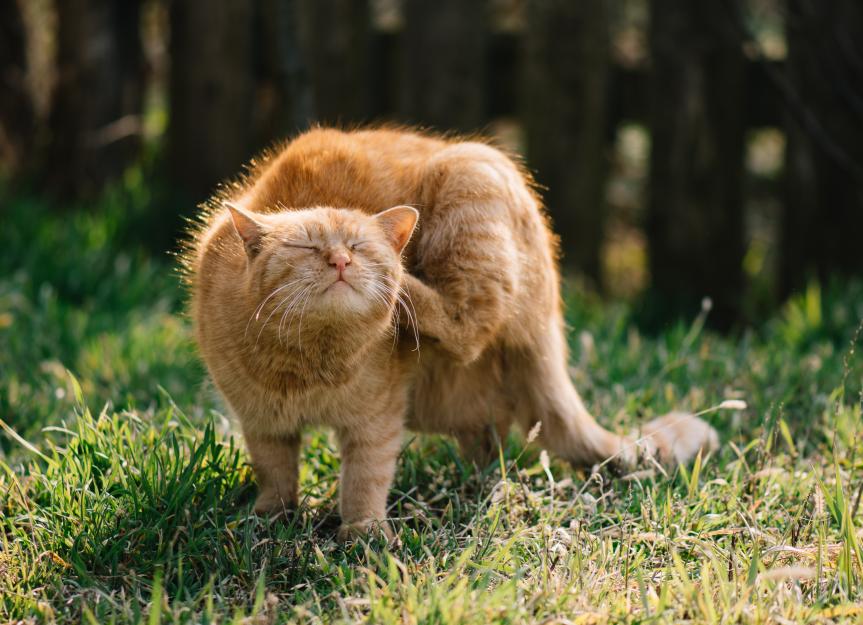
Itchy skin, or pruritus as we vets call it (yeah, I know, fancy talk for 'scratching like crazy'), is a common sign of allergies in cats. This is often due to atopic dermatitis, meaning they're reacting to something in their environment. Affected cats will scratch excessively, leading to hair loss, skin infections, and general misery.
The Clinical Perspective: When a cat develops atopic dermatitis, it's because their skin barrier function is compromised. This allows allergens to penetrate more easily, triggering an immune response. The immune cells release cytokines and other inflammatory mediators, causing intense itching. Chronic scratching can then lead to secondary bacterial or yeast infections, further exacerbating the problem. Think of it as a vicious cycle fueled by a dysfunctional immune system.
Home-Care Hacks: Regular bathing with hypoallergenic shampoos can remove allergens from the skin surface. Omega-3 fatty acid supplements can help improve skin barrier function. Honestly, what I tell my clients is that a little extra TLC goes a long way – and it's cheaper than constant vet visits.
Red Flag Checklist: If the scratching is relentless, causing open sores, or if you notice signs of infection (pus, crusting), it's time for a vet visit. Don't wait; secondary infections can become systemic.
Sudden Sneezing and Runny Eyes? Identifying Allergic Rhinitis in Cats
Sneezing and discharge from the eyes or nose, also known as allergic rhinitis, are less common but still significant signs of allergies in cats. This might manifest seasonally, flaring up when pollen counts are high. It's not just a cute little sneeze; it's a sign their body is fighting something.
The Clinical Perspective: Allergic rhinitis occurs when airborne allergens (pollen, mold spores, dust mites) come into contact with the nasal and ocular mucous membranes. This triggers the release of histamine and other inflammatory mediators, causing vasodilation, increased mucus production, and sneezing. In severe cases, chronic inflammation can lead to structural changes in the nasal passages, making the condition harder to manage long-term.
Home-Care Hacks: Keep your home as dust-free as possible. Air purifiers with HEPA filters can make a real difference. A humidifier can also help soothe irritated nasal passages. I tell my own clients, try a steamy bathroom for a few minutes – it's like a mini-spa day for your cat's sinuses.
Red Flag Checklist: If the discharge is thick, colored (yellow or green), or accompanied by labored breathing, it's a red flag. These could indicate a secondary bacterial infection or a more serious respiratory issue.
Why Is My Cat Throwing Up? Food Allergies and GI Distress in Cats
Vomiting and diarrhea are often linked to food allergies in cats. These symptoms can appear with or without blood and may be accompanied by nausea and excessive drooling. Common culprits include beef and chicken. Unlike seasonal allergies, food allergies can strike year-round.
The Clinical Perspective: Food allergies trigger an immune response in the gastrointestinal tract. When the cat ingests an allergenic protein (like beef or chicken), the immune system mistakenly identifies it as a threat. This leads to inflammation of the gut lining, increased intestinal permeability ('leaky gut'), and the release of inflammatory mediators. The result? Vomiting, diarrhea, abdominal pain, and potentially even weight loss.
Home-Care Hacks: If you suspect a food allergy, talk to your vet about an elimination diet. This involves feeding your cat a novel protein source (something they've never eaten before, like duck or rabbit) for several weeks to see if the symptoms resolve. It's boring, but it's mission-critical. I also tell my clients to be militant about treats – no sneaky snacks!
Red Flag Checklist: Bloody vomit or stool, persistent diarrhea leading to dehydration, or severe abdominal pain are all reasons to rush to the vet. Don't try to tough it out; these symptoms can quickly become life-threatening.
Behavioral Changes in Cats: Can Allergies Cause Anxiety?
Allergies can manifest as behavioral changes in cats, such as decreased responsiveness or restlessness. While less obvious than physical symptoms, these changes can significantly impact your cat's quality of life. They might seem 'off' or act in ways that are out of character.
The Clinical Perspective: Chronic inflammation from allergies can affect the central nervous system, leading to behavioral changes. Inflammatory mediators like cytokines can cross the blood-brain barrier and interfere with neurotransmitter function. This can result in anxiety, irritability, and changes in sleep patterns. Furthermore, the discomfort caused by itching or gastrointestinal upset can contribute to a cat's overall unease and altered behavior.
Home-Care Hacks: Provide a calm and predictable environment. Ensure your cat has plenty of safe spaces to retreat to when feeling overwhelmed. Pheromone diffusers (like Feliway) can also help reduce anxiety. Honestly, sometimes a little peace and quiet is the best medicine.
Red Flag Checklist: If behavioral changes are sudden, severe, or accompanied by other neurological signs (seizures, disorientation), seek immediate veterinary attention. There could be an underlying medical condition beyond allergies.
Facial Swelling and Hives: Recognizing Angioedema in Cats
Facial swelling and hives are alarming signs of an allergic reaction in cats. Hives may appear as raised bumps under the fur, causing the fur to stand up in different areas of the body. Swelling can be localized to the face, particularly around the eyes, and may affect vision.
The Clinical Perspective: Facial swelling (angioedema) and hives (urticaria) are caused by the release of histamine and other vasoactive substances from mast cells in the skin. This leads to increased vascular permeability, resulting in fluid accumulation in the tissues. In severe cases, angioedema can affect the upper airways, causing breathing difficulties.
Home-Care Hacks: There aren't many home remedies for this one, folks. If you see facial swelling or hives, consider it an emergency. The clock is ticking.
Red Flag Checklist: Difficulty breathing, excessive drooling, or collapse are all red flags indicating a severe allergic reaction (anaphylaxis). Get to the vet immediately.
Cat Anaphylaxis: Recognizing and Responding to Breathing Difficulty
Difficulty breathing is a critical sign of a severe allergic reaction in cats. Signs include pale gums, increased respiratory rate, open-mouth breathing, abdominal breathing, wheezing, and coughing. These symptoms arise because the cat's airway is constricted, limiting oxygen intake.
The Clinical Perspective: Anaphylaxis is a life-threatening systemic allergic reaction. It involves the rapid release of inflammatory mediators throughout the body, causing bronchoconstriction (narrowing of the airways), vasodilation (widening of blood vessels), and increased vascular permeability. This can lead to a drop in blood pressure, respiratory distress, and ultimately, shock.
Home-Care Hacks: There are NO home-care hacks for a cat in respiratory distress. This is a code-red situation. Every second counts.
Red Flag Checklist: Any sign of breathing difficulty warrants immediate veterinary intervention. Don't hesitate; your cat's life depends on it.
Collapse and Seizures: Recognizing Severe Allergic Reactions in Cats
Collapse or seizures in a cat suffering from an allergic reaction are grave signs. These symptoms may be attributed to changes in blood pressure or severe neurological involvement. They indicate that the allergic reaction has progressed to a critical stage.
The Clinical Perspective: Collapse and seizures during an allergic reaction can result from several factors. A sudden drop in blood pressure due to vasodilation can reduce blood flow to the brain, causing collapse. Additionally, inflammatory mediators can directly affect the brain, leading to seizures. Hypoxia (lack of oxygen) due to respiratory distress can also contribute to neurological dysfunction.
Home-Care Hacks: Again, this is an emergency situation. There are no safe or effective home remedies for a collapsing or seizing cat.
Red Flag Checklist: Collapse and seizures are always red flags. Immediate veterinary intervention is essential to stabilize the cat and prevent further complications.
What Should I Do If My Cat Is Having an Allergic Reaction?
If you suspect your cat is having an allergic reaction, immediate action is crucial. While mild symptoms like occasional scratching might not warrant emergency care, severe symptoms such as breathing problems or collapse do. The key is to err on the side of caution, as allergy symptoms can be vague and escalate rapidly.
How Do Vets Treat Cat Allergic Reactions?
Veterinarians diagnose allergic reactions based on a cat's symptoms and medical history. Treatment focuses on supportive care to stabilize the cat and counteract the effects of the allergic reaction. This often involves administering medications such as epinephrine, steroids, antihistamines, and bronchodilators.
Preventing Cat Allergic Reactions: What Can You Do?
Preventing allergic reactions in cats can be difficult, especially if the specific allergen is unknown. However, there are several steps you can take to minimize your cat's risk. These include keeping your cat indoors, maintaining strict flea control, and consulting with your veterinarian about potential vaccine reactions.
Cat Allergic Reaction FAQs
What are the most common symptoms of an allergic reaction in cats?
Symptoms can vary, but common signs include vomiting, diarrhea, hives, facial swelling, respiratory distress, pale gums, collapse, seizures, or even sudden death. These symptoms typically occur within minutes of exposure to the allergen.
How should I treat my cat’s allergic reaction at home?
Stay calm and seek immediate veterinary attention. If possible, safely remove the suspected allergen from your cat's vicinity. Contact the veterinary hospital in advance to inform them of your arrival and your cat's condition.
Can I give my cat Benadryl for an allergic reaction?
Unless specifically instructed by your veterinarian, do not administer any medications to your cat during an allergic reaction. This could interfere with veterinary treatment or worsen the outcome. Seek professional veterinary care immediately.
What are the long-term effects of allergies in cats?
Chronic allergies can lead to persistent skin problems, respiratory issues, and gastrointestinal upset. Long-term management often involves identifying and avoiding allergens, as well as using medications to control symptoms and improve quality of life.