

Choosing a Hypoallergenic Cat: Expert Advice for Allergy Sufferers
Here's a truth bomb straight from the clinic: no cat is truly hypoallergenic. I know, I know, it's plastered all over the internet, but it's more nuanced than that. The real deal is some breeds produce fewer allergens, specifically the Fel d 1 protein, which is the major culprit behind those itchy eyes and runny noses. So, let's get real about finding a feline friend that won't send your allergies into overdrive.
For Busy Owners: Hypoallergenic cats aren't allergen-free, but they produce less Fel d 1. Choosing the right breed, like a Siberian or Sphynx, can significantly reduce allergy symptoms. Combine breed selection with home cleaning and specialized cat food for best results.
What Exactly Makes a Cat Hypoallergenic? Understanding Allergen Production
The term "hypoallergenic cat" is honestly a bit misleading. It doesn't mean the cat produces zero allergens. Instead, these breeds produce lower levels of the Fel d 1 protein. This protein is secreted in saliva and sebaceous glands, ending up on the fur during grooming. When the fur sheds, the allergen becomes airborne, triggering reactions in sensitive individuals. It's also found in dander, those tiny skin flakes that cats (and all animals with skin) constantly shed.
Top 12 Hypoallergenic Cat Breeds: Finding Your Purr-fect Match
While no cat is 100% allergen-free, some breeds are known to produce less of the Fel d 1 protein, offering relief for allergy sufferers. Remember, individual reactions can vary, so spending time with a cat before adopting is mission-critical. Also, consider that male cats typically produce more Fel d 1 than females, and neutered males produce even less.
1. Siberian Cats: The Long-Haired Wonder for Allergy Sufferers
Siberians are like the unicorns of the cat world: long-haired and relatively hypoallergenic. Despite their luxurious coat, they produce less Fel d 1 due to a genetic quirk in their protein production pathways. This makes them surprisingly well-tolerated by many allergy sufferers. These cats also have a dense undercoat, which requires regular grooming to prevent matting and minimize allergen dispersal. Regular grooming also helps to reduce the amount of loose fur and dander in the environment.
2. Siamese Cats: Short-Haired and Slinky, But Are They Allergy-Friendly?
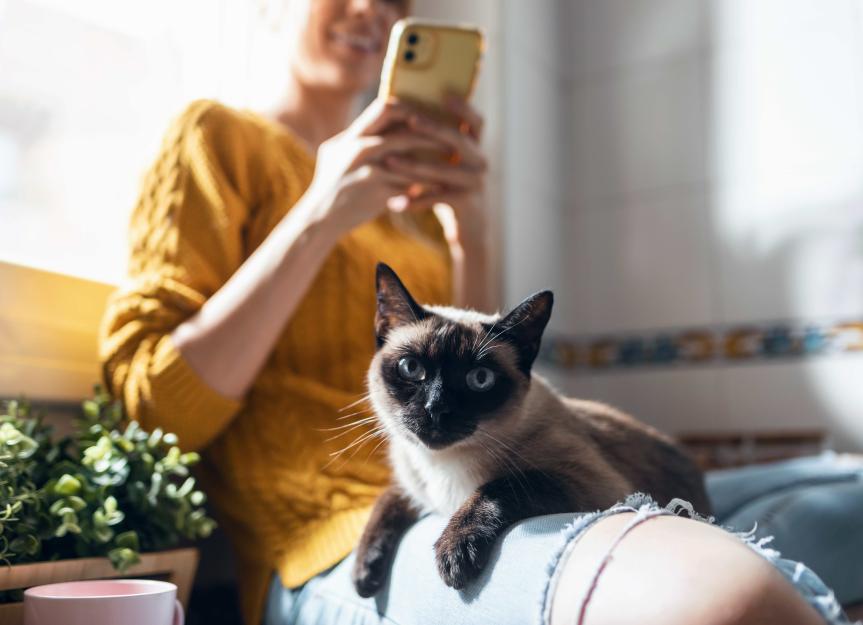
Siamese cats are known for their striking blue eyes and vocal personalities. Their short coat means less shedding, theoretically reducing the amount of allergen spread. However, it's not just about coat length; it's about Fel d 1 production. While Siamese cats aren't the lowest allergen producers, their shorter coat does make it easier to manage the allergens they do produce. Regular wiping down of the cat with a damp cloth can help remove surface allergens.
3. Bengal Cats: The Leopard Look with Less Sneezing?
Bengal cats, with their distinctive spotted coats, are another breed that's often touted as hypoallergenic. Their short, dense coat requires less grooming and sheds less frequently than many other breeds. This reduced shedding translates to less allergen dispersal in your home. However, Bengals are high-energy cats and require a lot of interaction and play. Stress can sometimes increase allergen production, so keeping them happy and entertained is non-negotiable.
4. Russian Blue Cats: Calm Personalities and Less Dander
Russian Blue cats have a plush, silvery-blue coat and a reputation for being gentle and quiet. They produce less Fel d 1 and have a dense coat that traps dander, preventing it from becoming airborne. Regular brushing is still important to remove loose fur and dander, but overall, they are considered a good choice for allergy sufferers. Their calm nature also means they are less likely to over-groom, which can spread saliva and allergens.
5. Sphynx Cats: The Hairless Option for Cat Allergy Relief
Sphynx cats are the oddballs of the cat world, known for their lack of fur. Since they don't shed, they don't spread allergens through their fur. However, they still produce Fel d 1 in their saliva and skin secretions. Regular bathing is mission-critical to remove these secretions and prevent allergen buildup. The skin of a Sphynx cat produces oils that can trap allergens, so weekly baths are essential to maintain hygiene and minimize allergic reactions.
6. Devon Rex Cats: Curly Coated Companions That Minimize Allergies
Devon Rex cats have a unique, wavy coat that's often described as "suede-like." This coat sheds very little, reducing the amount of allergen released into the environment. They also tend to produce less Fel d 1 than many other breeds. However, their delicate coat requires gentle grooming to avoid irritation. Use a soft brush and be careful not to over-bathe them, as this can dry out their skin.
7. Cornish Rex Cats: Another Curly Option for Allergy Sufferers
Cornish Rex cats are similar to Devon Rex cats, with a curly coat that sheds minimally. They are playful and affectionate, making them great family pets. Their low-shedding coat reduces allergen dispersal, but regular grooming is still needed to maintain their coat health. These cats also have a higher metabolism, which means they may produce slightly more dander, so consistent cleaning is important.
8. Javanese Cats: Low-Shedding Long Hair Cats
Javanese cats are closely related to Siamese and Balinese cats and share their pointed color pattern. They have a medium-length coat that consists of only a single layer, unlike most cats that have a double coat. This single-layer coat sheds less, making them a good option for allergy sufferers. Regular brushing is still needed to prevent mats and tangles, but overall, they are considered low-shedding.
9. Balinese Cats: The Long-Haired Siamese
Balinese cats are essentially long-haired Siamese cats, sharing their personality and pointed color pattern. Despite their longer coat, they produce less Fel d 1 than many other breeds. Regular grooming is essential to prevent matting and reduce allergen dispersal. They are intelligent and trainable, making them a joy to have around the house. Their playful nature can also help reduce stress, which can further minimize allergen production.
10. Oriental Shorthair Cats: Sleek and Allergy-Friendly
Oriental Shorthair cats are known for their sleek, elegant appearance and large, expressive ears. Their short coat sheds minimally, reducing allergen dispersal. They are also intelligent and playful, making them great companions. Regular wiping down of their coat with a damp cloth can help remove surface allergens. They also have a tendency to over-groom, so monitoring their skin health is mission-critical.
11. Burmese Cats: Short Hair, Less Shedding, and Great Personalities
Burmese cats have a short, glossy coat that sheds very little. They are affectionate and playful, making them great family pets. Their low-shedding coat reduces allergen dispersal, but regular grooming is still needed to maintain their coat health. They also have a tendency to gain weight, so monitoring their diet is non-negotiable.
12. Tonkinese Cats: The Best of Both Worlds for Allergy Sufferers?
Tonkinese cats are a cross between Siamese and Burmese cats, combining the best traits of both breeds. They have a short, soft coat that sheds minimally. They are affectionate, playful, and intelligent, making them great companions. Their low-shedding coat reduces allergen dispersal, but regular grooming is still needed to maintain their coat health. They are also known for their vocal nature, so be prepared for lots of meowing.
Tips for Successfully Adopting a Hypoallergenic Cat: Minimizing Allergy Triggers
So, you're ready to bring a "hypoallergenic" cat into your home? Smart move. But don't think it's a guaranteed sneeze-free paradise. Here's what I tell my clients in the exam room:
Do Your Research: Finding the Right Cat for Your Allergies
Research different breeds and visit breeders or shelters to spend time with the cats before adopting. Allergies can vary from person to person, and even within the same breed, individual cats can produce different levels of allergens. Interacting with the cat will give you a better idea of how your allergies will react.
Consult With Your Allergy Specialist: Managing Your Symptoms
Talk to your allergist about managing your symptoms. They may recommend antihistamines, nasal sprays, or allergy shots to help control your reactions. It's also mission-critical to identify any other allergies you may have, as these can exacerbate your cat allergies.
Home-Care Hacks: Keeping Your House Clean and Allergen-Free
Regular cleaning is mission-critical. Vacuum frequently with a HEPA filter vacuum cleaner, wash bedding and curtains regularly, and consider using an air purifier with a HEPA filter. These measures will help remove allergens from the air and surfaces in your home. Also, consider restricting the cat to certain areas of the house to limit allergen dispersal.
The Clinical Perspective: Diet and Allergen Reduction
Talk to your veterinarian about Purina Pro Plan LiveClear cat food. This food contains an antibody that binds to Fel d 1 in the cat's saliva, reducing the amount of active allergen released into the environment. It's not a magic bullet, but it can be a helpful tool in managing allergies.
The Red Flag Checklist: When to Worry About Cat Allergies
Most allergy symptoms are manageable with over-the-counter medications and home remedies. However, some symptoms require immediate veterinary attention:
- Severe Difficulty Breathing: Wheezing, gasping, or struggling to breathe are emergencies.
- Swelling of the Face or Throat: This could indicate anaphylaxis, a life-threatening allergic reaction.
- Uncontrollable Asthma Attack: If your asthma is not responding to your usual medications, seek immediate medical help.
- Persistent Skin Infections: Excessive scratching can lead to skin infections that require veterinary treatment.
FAQs About Cats and Allergies: Clearing Up the Confusion
Are there truly any non-shedding cats?
The Sphynx is the closest you'll get to a non-shedding cat, but even they produce allergens in their skin secretions. Regular bathing is needed to remove these secretions and minimize allergic reactions.
Can cats ever be 100% hypoallergenic?
No, there's no such thing as a 100% hypoallergenic cat. All cats produce allergens to some extent. Choosing a low-allergen breed and managing your environment can help minimize symptoms.