

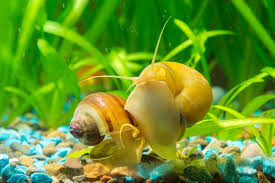
Freshwater Snails: The Ultimate Guide for a Thriving Aquarium
So, you’re thinking about adding some freshwater snails to your aquarium? Good choice! These little guys can be fascinating additions, but it's mission-critical to understand their needs *before* you bring them home. I've seen it all in the exam room – from snail infestations to snails suffering from poor water quality. Let’s avoid those pitfalls, shall we?
Quick Answer: Freshwater snails can be beneficial tank inhabitants, controlling algae and consuming leftover food. However, some species reproduce rapidly, leading to overpopulation. Research snail types, provide a balanced diet, and maintain optimal water parameters to keep your snail population in check.
Choosing the Right Freshwater Snail Species
Not all snails are created equal. Some are voracious algae eaters, while others prefer decaying plant matter. Some breed like crazy; others, not so much. Choose wisely!
- Nerite Snails: These are algae-eating machines and won't reproduce in freshwater tanks. A top choice.
- Mystery Snails: Large and colorful, they add visual appeal. Can lay eggs above the waterline.
- Ramshorn Snails: Can be helpful in small numbers, consuming algae and detritus. But populations explode quickly.
- Assassin Snails: Carnivorous snails that prey on other snails. A good solution if you have a snail overpopulation problem.
- Pond Snails & Bladder Snails: Often hitchhike on plants. Can quickly become a nuisance.
Consider Your Tank Size and Community
A single Nerite snail needs at least 5 gallons of water. Mystery snails need even more space. Overcrowding leads to poor water quality and stressed snails. Don't do it.
Also, think about your fish. Some fish, like pufferfish and loaches, will happily eat snails. It's the circle of aquarium life, I suppose.
Setting Up the Perfect Snail Habitat
Snails aren't just decorations. They need a suitable environment to thrive. And believe me, a happy snail is a healthy snail.
Water Parameters are Non-Negotiable
Snails are sensitive to water quality. Ammonia and nitrite levels should always be zero. Nitrate levels should be kept below 20 ppm.
Pro-Tip: Invest in a reliable water testing kit. Test your water weekly. Your snails will thank you for it.
They also need adequate calcium for shell growth. Without enough calcium, their shells can become thin and brittle. Supplement with calcium carbonate or provide cuttlebone.
Substrate and Decor
Most snails do well with a variety of substrates, from gravel to sand. Provide plenty of hiding places, like plants and driftwood. This helps them feel secure.
Feeding Your Freshwater Snails
While many snails eat algae, they often need supplemental feeding. Don't assume they'll survive solely on what they find in the tank. That's a recipe for disaster.
- Algae Wafers: A good staple food.
- Blanched Vegetables: Zucchini, spinach, and cucumber are favorites.
- Sinking Pellets: Offer a balanced diet.
Vet’s Perspective: Overfeeding is a common mistake. It leads to poor water quality and snail overpopulation. Feed sparingly. Observe how much they consume in a few hours and adjust accordingly.
Maintaining a Healthy Snail Population
Keeping your snail population under control can be a challenge, especially with prolific breeders like Ramshorn snails. Prevention is key.
Control Algae Growth
Excess algae fuels snail populations. Maintain proper lighting, perform regular water changes, and consider adding algae-eating fish or invertebrates.
Remove Excess Food
Don't overfeed your fish. Leftover food contributes to algae growth and provides snails with extra sustenance. A lean feeding schedule is ideal.
Manual Removal
If you have too many snails, manually remove them. Crush them (if you can stomach it) and leave them in the tank for the other snails to eat (calcium source) or physically remove them. It's a bit tedious, but effective.
The Expert's Corner: Real-World Snail Advice
Okay, let's get real. I've seen snails with shell deformities from calcium deficiencies. I've seen tanks overrun with snails because owners didn't quarantine new plants. And I’ve definitely seen snails suffering from ammonia poisoning. Here's the blunt truth:
- Quarantine new plants. Dip them in a bleach solution (diluted, of course) to kill any hitchhiking snails or eggs.
- Observe your snails. Are they active? Are their shells healthy? Are they eating? Changes in behavior can indicate a problem.
- Don't flush snails. It's bad for the environment. Find a responsible way to dispose of them.
Snails can exhibit interesting behaviors. You might see them grazing on the glass, burying themselves in the substrate, or even floating at the surface. Floating can sometimes indicate a problem, like trapped air or illness, but it's not always a cause for alarm. Borborygmi, or gurgling sounds, are not something you'll observe with snails, thankfully!