


Freshwater Pearls and Pets: Are They a Hidden Hazard?
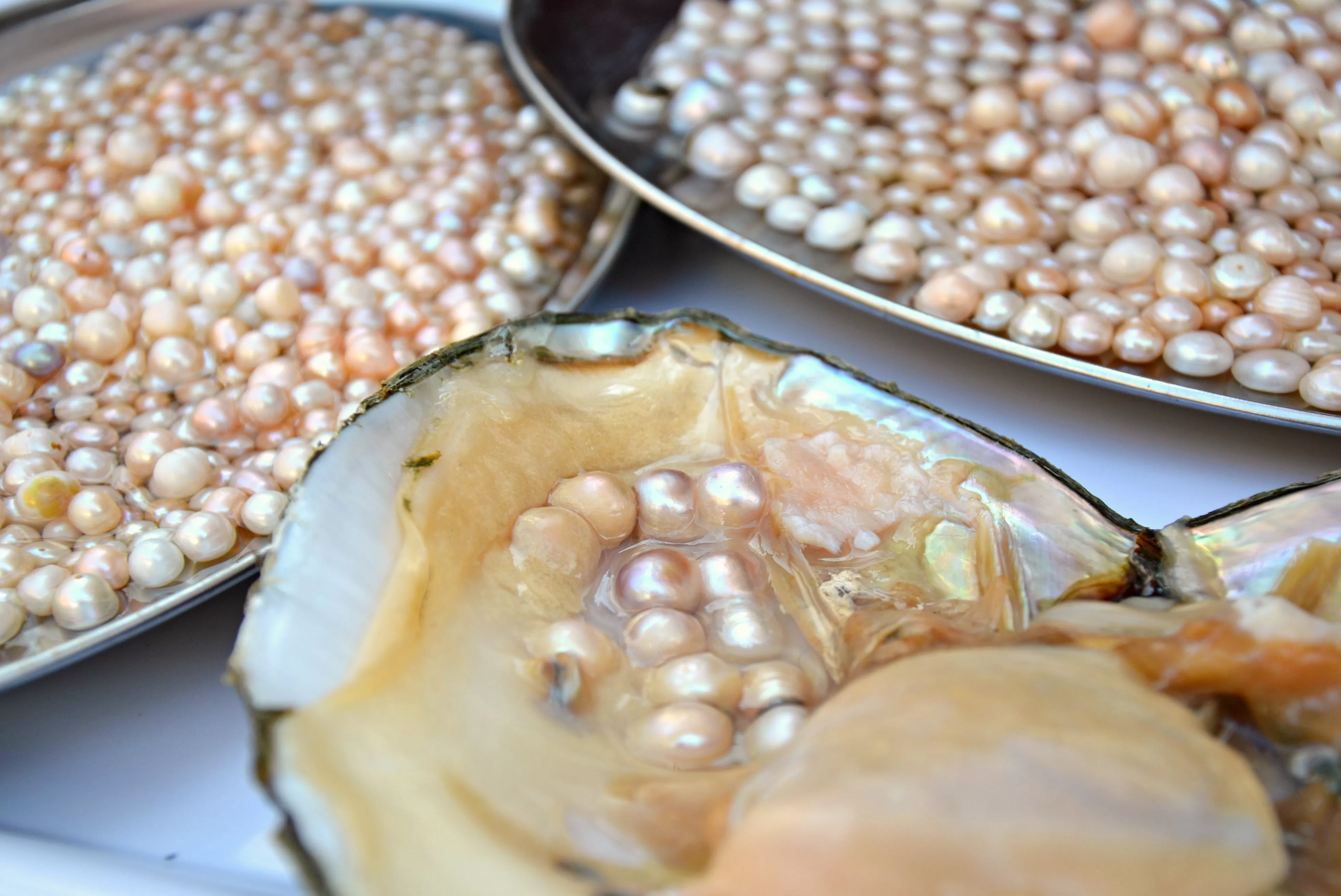
So, you're wondering about freshwater pearls and your pet. Good. It's a valid concern. Those little shiny things *do* look awfully tempting, especially to a curious pup or playful kitty. Let's break down the risks.
Think of it this way: anything small enough to swallow can become a problem. A big problem, actually.
The Choking Hazard is Real
Freshwater pearls, like any small object, present a significant choking hazard. Especially for smaller breeds. Or cats, who are notorious for batting things around and then deciding to eat them.
- Small Size: Easy to swallow, difficult to dislodge.
- Smooth Surface: Can easily slip down the trachea (windpipe).
- Potential for Blockage: If swallowed, can obstruct the airway.
Beyond Choking: Intestinal Obstruction
Okay, let's say your pet *doesn't* choke. That doesn't mean you're in the clear. Swallowing a pearl can lead to an intestinal obstruction.
I've seen it in the exam room. The classic 'vomiting, won't eat, lethargic' presentation. Sometimes, you can even palpate (feel) the blockage. Not fun for anyone.
- Gastrointestinal Upset: Vomiting, diarrhea, loss of appetite.
- Abdominal Pain: Whining, restlessness, guarding the abdomen.
- Lethargy: Weakness, reluctance to move.
- Dehydration: Due to vomiting and diarrhea.
Symptoms to Watch For
Know the signs. Early detection is mission-critical. Don't wait until your pet is critically ill.
- Repeated Vomiting: Especially after eating or drinking.
- Loss of Appetite: Refusal to eat, even favorite treats.
- Abdominal Pain: Sensitivity to touch, hunched posture.
- Changes in Bowel Movements: Straining, constipation, or diarrhea.
- Lethargy: Unusually tired or weak.
What to Do If Your Pet Swallows a Pearl
Don't panic. But act fast. Time is of the essence.
- Contact Your Veterinarian Immediately: Don't wait. Call.
- Do NOT Induce Vomiting Without Veterinary Advice: This can cause more harm than good.
- Monitor Your Pet Closely: Watch for any signs of distress.
- Be Prepared to Provide a Detailed History: When did it happen? How many pearls?
The Expert's Corner: Vet's Perspective
Honestly? Prevention is the *only* real cure here. Keep those pearls locked away. Don't leave jewelry lying around. Secure necklaces and bracelets. Think like a mischievous pet. What can they reach? What can they get into?
I had a case where a dog ate an entire beaded necklace. The owners thought they were being careful. They weren't. Surgery. Expensive. Traumatic. Avoidable.
Consider pet-proofing your home a non-negotiable aspect of pet ownership. It's not just about pearls; it's about anything small, sharp, or toxic.
It's a tough job, but someone's gotta do it. You do.