

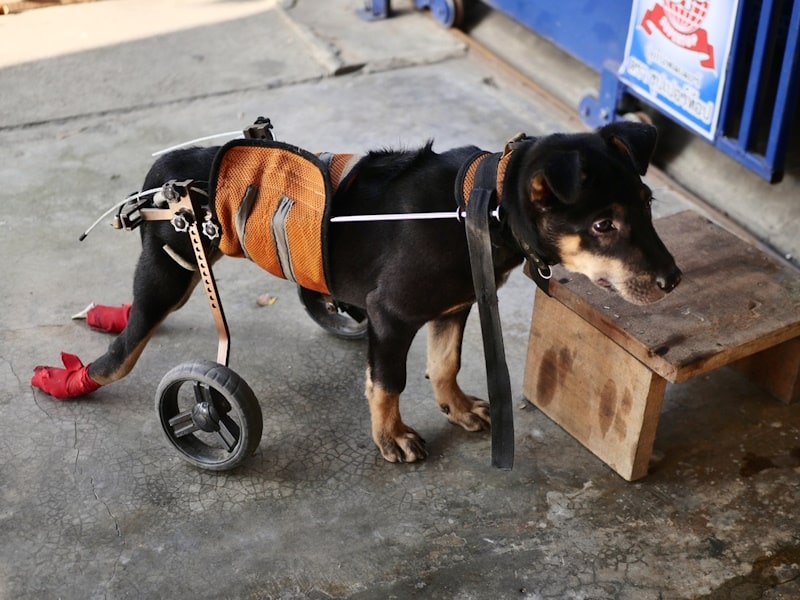
Why Is My Dog's Leg Giving Out? Vet-Reviewed Causes & Home Care
Here's a cold dose of reality from the exam room: that bouncy puppy you brought home years ago *will* slow down. It's a gut-wrenching truth, but ignoring it won't make it any less real. One of the most common concerns I hear? "Doc, my dog's legs are just...giving out." And honestly, it's heartbreaking to watch.
If your dog's legs are suddenly weak or collapsing, it could signal anything from simple fatigue to a more serious underlying condition. Immediate veterinary attention is crucial, especially if your dog shows signs of distress or paralysis. This article explores common causes, home-care tips, and when to seek emergency help.
Busy Owner Summary: Weak legs in dogs can stem from fatigue, injuries, or underlying conditions like arthritis. If the weakness is sudden or severe, seek immediate vet care. Early detection and proper treatment are critical for improving your dog's mobility and overall well-being.
Why is My Dog Suddenly Pacing at 2 AM? Understanding Leg Weakness
Sudden leg weakness in dogs can be alarming, but it's crucial to remain calm and observe your pet closely. This symptom can arise from various factors, from simple muscle fatigue to more complex neurological issues. Accurate diagnosis requires a vet's expertise, but understanding potential causes is the first step.
The Clinical Perspective (Biological 'Why')
Let's get granular. When a dog's leg gives out, it's often due to a breakdown in the complex communication between the brain, spinal cord, nerves, and muscles. For example, in degenerative myelopathy (DM), a progressive disease of the spinal cord, the myelin sheath – the protective coating around nerve fibers – deteriorates. This deterioration disrupts nerve signal transmission, leading to progressive weakness and incoordination in the hind limbs. Think of it like a frayed electrical wire; the signal gets lost, and the connection falters.
Home-Care Hacks (Low-Cost, Practical Tips)
While a vet visit is non-negotiable, you can make your dog more comfortable at home. Here's what I tell my clients: create a safe, obstacle-free zone. Use non-slip rugs to prevent falls. Elevate food and water bowls to reduce strain. And honestly? Lots of love and gentle encouragement. Sometimes, that's the best medicine.
The Red Flag Checklist (When to Panic vs. When to Wait)
When do you rush to the ER? If your dog experiences sudden paralysis, loss of bladder or bowel control, or exhibits signs of extreme pain, don't wait. These are red flags signaling a potentially life-threatening condition. If the weakness is mild and intermittent, schedule a vet appointment within 24-48 hours. Play it safe; it's your fur baby, after all.
Could Overexertion be the Reason My Dog's Legs are Weak?
Muscle weakness or fatigue is a common cause of temporary leg weakness in dogs, particularly after strenuous activity. This is especially true for dogs not accustomed to intense exercise. It's essential to gradually increase your dog's activity level to prevent overexertion.
The Clinical Perspective (Biological 'Why')
Think about it: muscles need energy to contract. That energy comes from ATP (adenosine triphosphate). During intense exercise, muscles deplete their ATP stores. If the muscles don't have enough time to recover and replenish ATP, they become fatigued. Lactic acid buildup also contributes to muscle fatigue, causing that burning sensation we all know and loathe. In poorly conditioned dogs, this process is amplified, leading to noticeable weakness.
Home-Care Hacks (Low-Cost, Practical Tips)
Simple: rest. Reduce activity. Ensure access to fresh water. If you suspect overexertion, gently massage your dog's legs to improve circulation. And for goodness sake, don't push them too hard! A gradual increase in exercise is always the safest route.
The Red Flag Checklist (When to Panic vs. When to Wait)
If the weakness persists for more than 24 hours despite rest, or if your dog exhibits other symptoms like vomiting or diarrhea, it's time for a vet visit. Dehydration and electrolyte imbalances can exacerbate muscle weakness and require veterinary intervention.
Is it Possible My Dog Has a Hidden Injury Causing Leg Weakness?
Trauma and injuries, such as sprains, strains, fractures, or dislocations, are significant causes of leg weakness in dogs. These injuries can result from accidents, falls, or even sudden movements during play. The severity of the injury dictates the extent of the weakness.
The Clinical Perspective (Biological 'Why')
When a dog sustains a musculoskeletal injury, inflammation is the body's initial response. This inflammation leads to swelling, pain, and reduced range of motion. In severe cases, fractures disrupt the bone's structural integrity, rendering the leg unusable. Ligament and tendon injuries, like cranial cruciate ligament (CCL) tears, destabilize the joint, causing pain and weakness. Honestly, it's a cascade of biological events designed to protect the injured area, but the result is often debilitating.
Home-Care Hacks (Low-Cost, Practical Tips)
First, stabilize the injured leg. Use a towel or blanket to create a makeshift splint. Apply a cold compress to reduce swelling. And get your dog to the vet. Don't try to diagnose or treat the injury yourself. You'll likely do more harm than good.
The Red Flag Checklist (When to Panic vs. When to Wait)
Any suspected fracture, dislocation, or open wound warrants immediate veterinary attention. Don't attempt to move your dog unnecessarily. Call your vet or an emergency clinic for guidance on safe transport.
Could Arthritis Be Causing My Senior Dog's Hind Leg Weakness?
Orthopedic issues, particularly arthritis and hip dysplasia, are common culprits behind leg weakness, especially in older dogs. Arthritis involves joint inflammation and cartilage degeneration, leading to pain and reduced mobility. Hip dysplasia, a genetic condition, affects the hip joint's stability, resulting in similar symptoms.
The Clinical Perspective (Biological 'Why')
In osteoarthritis, the protective cartilage within joints breaks down over time. This breakdown exposes the underlying bone, leading to bone-on-bone friction, inflammation, and pain. Inflammatory mediators, like cytokines, further exacerbate the process. Hip dysplasia, on the other hand, involves abnormal development of the hip joint, causing instability and increased wear and tear. The end result is the same: chronic pain and progressive lameness.
Home-Care Hacks (Low-Cost, Practical Tips)
Weight management is mission-critical. Extra weight puts undue stress on already compromised joints. Provide orthopedic bedding for support. Consider raised food and water bowls. And talk to your vet about joint supplements like glucosamine and chondroitin. They can make a difference.
The Red Flag Checklist (When to Panic vs. When to Wait)
While arthritis is a chronic condition, sudden worsening of symptoms warrants a vet visit. Rule out other potential causes, like infections or injuries. Also, uncontrolled pain is unacceptable. Your vet can adjust your dog's pain management plan.
Can Infections Cause Weakness in My Dog's Legs?
Infections and certain diseases can trigger leg weakness in dogs through various mechanisms. Some infections cause joint inflammation and pain, while others lead to muscle weakness or paralysis. Anemia, a common consequence of many infections, can also contribute to weakness.
The Clinical Perspective (Biological 'Why')
Certain tick-borne diseases, like Lyme disease and Ehrlichiosis, can cause polyarthritis – inflammation of multiple joints. This inflammation results in pain, stiffness, and lameness. Other infections, like canine distemper, can directly affect the nervous system, leading to muscle weakness and paralysis. Anemia reduces the oxygen-carrying capacity of the blood, depriving muscles of the oxygen they need to function properly.
Home-Care Hacks (Low-Cost, Practical Tips)
Focus on supportive care. Ensure your dog is eating and drinking. Keep them warm and comfortable. And follow your vet's instructions meticulously. Antibiotics are often necessary to combat the infection, but supportive care is equally important.
The Red Flag Checklist (When to Panic vs. When to Wait)
If your dog exhibits signs of systemic illness, like fever, lethargy, or loss of appetite, seek immediate veterinary care. Untreated infections can rapidly progress and become life-threatening.
What Health Problems Can Cause Leg Weakness?
Certain health conditions, such as hypoglycemia (low blood sugar), cardiac problems, electrolyte imbalances, Addison’s disease, and myasthenia gravis, can manifest as leg weakness in dogs. These conditions disrupt normal physiological processes, affecting muscle function and energy production.
The Clinical Perspective (Biological 'Why')
Hypoglycemia deprives muscles of glucose, their primary energy source. Cardiac problems reduce blood flow to the muscles, limiting oxygen delivery. Electrolyte imbalances disrupt nerve and muscle function. Addison's disease, characterized by insufficient cortisol production, leads to muscle weakness and fatigue. Myasthenia gravis is an autoimmune disorder that affects the neuromuscular junction, preventing nerve signals from properly stimulating muscle contraction.
Home-Care Hacks (Low-Cost, Practical Tips)
For diabetic dogs prone to hypoglycemia, keep a readily available source of glucose, like Karo syrup, on hand. If your dog has cardiac issues, follow your vet's recommendations regarding diet and exercise. And adhere strictly to your vet's prescribed medication regimen for any underlying health condition.
The Red Flag Checklist (When to Panic vs. When to Wait)
Any dog exhibiting signs of hypoglycemia, like seizures or loss of consciousness, requires immediate veterinary attention. Similarly, dogs with severe cardiac or respiratory distress need emergency care.
Is it Possible My Dog Ate Something Toxic Causing Leg Weakness?
Toxicity from ingesting certain substances or poisons can lead to a range of neurological and muscular problems, including leg weakness. Common culprits include toxic plants, certain foods (like chocolate or grapes), and household chemicals.
The Clinical Perspective (Biological 'Why')
Many toxins disrupt normal nerve and muscle function. For example, chocolate contains theobromine, which can cause muscle tremors, seizures, and even death. Ethylene glycol (antifreeze) damages the kidneys and nervous system, leading to neurological signs like weakness and incoordination. Honestly, the list of potential toxins is endless, and their mechanisms of action vary widely.
Home-Care Hacks (Low-Cost, Practical Tips)
Prevention is key. Keep all potential toxins out of your dog's reach. Know the toxic plants in your area. And if you suspect your dog has ingested something poisonous, contact your vet or a pet poison control hotline immediately.
The Red Flag Checklist (When to Panic vs. When to Wait)
Any suspected poisoning warrants immediate veterinary attention. Don't try to induce vomiting unless specifically instructed by a vet or poison control expert. Bring the suspected toxin with you to the vet clinic, if possible.
Could My Dog Have a Neurological Problem Causing Leg Weakness?
Neurological problems, such as degenerative myelopathy (DM) and intervertebral disc disease (IVDD), are significant causes of leg weakness and paralysis in dogs. These conditions affect the spinal cord and nerves, disrupting normal motor function.
The Clinical Perspective (Biological 'Why')
As mentioned earlier, DM is a progressive disease of the spinal cord that leads to degeneration of the myelin sheath. IVDD involves herniation or rupture of intervertebral discs, which can compress the spinal cord and nerves. The location and severity of the compression determine the extent of the neurological deficits. Both conditions can result in progressive weakness, incoordination, and paralysis.
Home-Care Hacks (Low-Cost, Practical Tips)
Supportive care is crucial. Provide non-slip surfaces to prevent falls. Assist your dog with walking and standing. And work closely with your vet to manage pain and inflammation. Physical therapy can also help maintain muscle strength and mobility.
The Red Flag Checklist (When to Panic vs. When to Wait)
Sudden onset of paralysis or loss of bladder/bowel control warrants immediate veterinary attention. These are signs of severe spinal cord compression that may require surgical intervention.
Is My Dog's Leg Weakness Just Due to Old Age?
Age-related changes, such as muscle loss (sarcopenia) and decreased joint flexibility, contribute to weakness and mobility issues in older dogs. These changes are a natural part of the aging process, but they can significantly impact a dog's quality of life.
The Clinical Perspective (Biological 'Why')
As dogs age, their muscle mass naturally declines. This decline is associated with decreased levels of growth hormone and IGF-1 (insulin-like growth factor 1). Joint cartilage also deteriorates over time, leading to osteoarthritis. Telomere shortening, a hallmark of aging, contributes to cellular dysfunction and tissue degeneration. It's a complex interplay of biological processes that ultimately result in decreased physical function.
Home-Care Hacks (Low-Cost, Practical Tips)
Provide a comfortable and supportive environment. Offer orthopedic bedding. Use ramps or steps to help your dog navigate stairs and furniture. And maintain a healthy weight to reduce stress on joints. Gentle, regular exercise is also important for maintaining muscle strength and flexibility.
The Red Flag Checklist (When to Panic vs. When to Wait)
While age-related changes are inevitable, sudden worsening of symptoms warrants a vet visit. Rule out other potential causes, like infections or injuries. And ensure your senior dog has adequate pain management.
What to Do If My Dog’s Legs Give Out
If you notice that your dog’s legs are giving out or becoming weak or wobbly, stop whatever activity you’re doing and allow them to safely lay down. Give them some time to rest, if you can, while checking for other signs, then see how their legs react. If your dog is in immediate distress or unable to move at all, call for veterinary assistance or help straight away. In less severe cases, checking for the following may help locate a cause. However, it is always best to seek the advice of a vet to ensure nothing too serious is going on, or to offer your dog relief from whatever they’re experiencing.
Frequently Asked Questions (FAQ)
How Do I Help My Senior Dog With Weak Back Legs?
Older dogs may be more prone to experiencing problems with their hind legs due to age-related conditions like arthritis or muscle wasting. If your older dog is struggling with their back legs, consider the following to help improve their quality of life, all while working alongside your veterinarian. Adjust their living environment to make it more accessible. Ramps or mobile steps may be helpful for them to climb onto furniture or navigate stairs. Providing non-slip bowls and surfaces like rubber mats can also prevent slips and injuries. Regular exercise is important, but it’s equally important to choose low-impact activities that won’t aggravate joints. Short, gentle, and frequent walks are ideal, as is swimming. Feed an appropriate diet for their age and any conditions they have, which your vet can help advise on, as well as any supplements they may feel will assist your elderly friend.
Will Pet Insurance Pay for My Dog’s Legs Giving Out?
Whether pet insurance covers the treatment for your dog’s legs giving out depends on your specific policy, when it was taken out, and the underlying cause of the condition. Some pet insurance plans may cover injuries or illnesses that result in leg weakness, while others may have specific exclusions or limitations. It’s best to review your pet insurance policy carefully and understand the coverage it provides, along with any exclusions it has, including upper age limits. This is crucial if you are just taking shopping around. Your insurance provider will be able to discuss the details of your policy and any documentation required, and they will also assist with the claims process. They can provide information on how expenses are reimbursed as well.
Conclusion
Your dog’s legs giving out can be a distressing experience for all involved. Understanding the common causes behind it may help you feel more confident and give you peace of mind as you arrange treatment and care. Whatever the cause, early detection and proper treatment can make a large difference in your dog’s mobility and well-being. With the right care and veterinary attention, you can help your dog regain their strength and continue to enjoy a happy and active life.