

Why is My Dog's Leg Weak? 8 Vet Causes & Home Care Guide
Here's a fact that hits hard: that innocent-looking houseplant could be the reason your dog's legs are failing. Seriously. Many common houseplants are toxic to dogs, causing neurological issues that manifest as leg weakness. It's not always just 'old age' – sometimes, it's what they're chewing on.
For busy owners: Leg weakness in dogs can stem from simple fatigue or serious conditions like arthritis or neurological issues. Observe your dog for other symptoms, and don't hesitate to consult your vet. Early intervention is mission-critical for a good outcome and quality of life.
Why is my Dog's Hind Leg Suddenly Giving Out? Understanding the Causes
When a dog's legs suddenly give out, it's alarming. This can range from temporary fatigue to a sign of a more serious underlying health issue. When a dog's hind legs weaken, the gait often changes to an inefficient 'bunny hopping' motion. This is often due to spinal cord compression that disrupts nerve signals to the muscles. The disruption to the nerves also diminishes the signals that control the muscles in the bladder and colon, which can lead to incontinence. It's essential to understand the potential causes so you can act accordingly.
1. Muscle Weakness or Fatigue: Is Overexertion to Blame for Leg Weakness?
Muscle fatigue is a common culprit, especially after intense activity. This is more than just being tired; it's about the muscles' ability to contract. During intense exercise, muscle cells deplete their glycogen stores. Think of glycogen as the fuel tank for muscle contraction. Without adequate glycogen, the muscles struggle to function properly, leading to weakness and potential collapse. This is even more apparent in dogs that aren't conditioned for that level of activity. I tell my clients all the time: start slow, just like you would with any human athlete.
Home-Care Hack: Gradual exercise progression. Increase the duration and intensity of walks or playtime slowly over weeks to allow muscles to adapt. Ensure adequate hydration and consider a post-exercise meal with complex carbohydrates to replenish glycogen stores.
Red Flag Checklist: If weakness persists for more than 24 hours after rest, or if accompanied by pain, vomiting, or collapse, seek immediate veterinary attention.
2. Trauma and Injuries: Could a Hidden Injury Cause My Dog's Legs to Give Out?
Injuries to muscles, ligaments, or bones are a significant cause of leg weakness. Ligament or tendon damage causes instability in the joint, which leads to pain. The dog will naturally avoid putting weight on the limb. Fractures, of course, are even more serious. What many owners miss is a partial cruciate tear. This occurs when the cranial cruciate ligament (CCL), analogous to the ACL in humans, is damaged but not completely ruptured. The instability in the stifle (knee) joint causes inflammation and pain, leading to intermittent lameness and leg weakness.
Home-Care Hack: Strict rest is non-negotiable. Limit activity to short leash walks for bathroom breaks only. Apply cold compresses to the affected area for 15 minutes, 2-3 times daily, for the first 48 hours to reduce inflammation. Never give human pain meds without talking to your vet.
Red Flag Checklist: Inability to bear weight on the leg, visible swelling or bruising, or signs of extreme pain warrant an immediate vet visit.
3. Orthopedic Issues: Is Arthritis or Hip Dysplasia Causing My Dog's Leg Weakness?
Orthopedic conditions like arthritis and hip dysplasia are common, particularly in older dogs or certain breeds. Arthritis involves the breakdown of cartilage within the joint. Cartilage acts as a cushion between bones. As it degrades, bone-on-bone contact causes inflammation and pain. Hip dysplasia, a genetic condition, results in a malformed hip joint. This instability leads to abnormal wear and tear, causing arthritis and pain over time.
Home-Care Hack: Provide orthopedic bedding to cushion joints. Maintain a healthy weight to reduce stress on joints. Consider glucosamine and chondroitin supplements to support cartilage health, but honestly, the data is mixed on these.
Red Flag Checklist: Persistent limping, reluctance to move, or signs of pain (whining, panting, or aggression when touched) require veterinary assessment.
4. Infections and Diseases: Can Infections Cause Sudden Leg Weakness in Dogs?
Certain infections can lead to joint inflammation, muscle weakness, or even paralysis. Systemic infections trigger an immune response that can inadvertently target the joints. This is known as immune-mediated polyarthritis. The inflammation causes pain, swelling, and stiffness, leading to leg weakness. Some tick-borne diseases, such as Lyme disease and Ehrlichiosis, can also cause similar symptoms.
Home-Care Hack: There aren't any true home-care hacks here. Prevention is key. Use flea and tick preventatives year-round. Promptly address any signs of illness, such as fever, lethargy, or loss of appetite, with a vet visit.
Red Flag Checklist: Fever, lethargy, loss of appetite, joint swelling, or any neurological signs (tremors, seizures, incoordination) are red flags requiring immediate veterinary attention.
5. Health Conditions: Could Low Blood Sugar Be Why My Dog's Legs Give Out?
Conditions like hypoglycemia (low blood sugar) or cardiac issues can manifest as leg weakness. Hypoglycemia deprives muscle cells of the glucose needed for energy production. The brain is also highly sensitive to low glucose, leading to neurological signs like weakness, seizures, and collapse. Cardiac problems reduce oxygen delivery to muscles. Without adequate oxygen, muscles can't function efficiently, leading to weakness and fatigue.
Home-Care Hack: For diabetic dogs, maintain a consistent feeding and insulin schedule. For dogs prone to hypoglycemia, carry a source of glucose (e.g., Karo syrup) to rub on their gums in case of a sudden drop. Cardiac patients require close monitoring and medication adjustments as directed by your vet.
Red Flag Checklist: Sudden collapse, seizures, pale gums, or difficulty breathing are life-threatening emergencies. Seek immediate veterinary care.
6. Toxicity/Poisons: Is My Dog's Leg Weakness Due to Poisoning?
Ingestion of toxins can cause a range of neurological and muscular problems, including leg weakness. Some toxins directly affect nerve function. For example, certain insecticides inhibit acetylcholinesterase, an enzyme essential for nerve impulse transmission. This leads to muscle tremors, weakness, and paralysis. Other toxins can damage muscle tissue directly, leading to weakness and pain.
Home-Care Hack: Secure all medications, cleaning supplies, and potential toxins out of your dog's reach. Know which plants are toxic to dogs and remove them from your home and yard. If you suspect poisoning, immediately contact your vet or a pet poison helpline.
Red Flag Checklist: Vomiting, diarrhea, tremors, seizures, drooling, difficulty breathing, or any sudden onset of neurological signs are red flags. Immediate veterinary intervention is crucial.
7. Neurological Problems: Is Degenerative Myelopathy Causing My Dog's Leg Weakness?
Neurological conditions like degenerative myelopathy (DM) or intervertebral disc disease (IVDD) can cause progressive leg weakness and paralysis. DM is a progressive degeneration of the spinal cord, primarily affecting older dogs. The exact cause is unknown, but it leads to a gradual loss of nerve function, starting with the hind limbs. IVDD involves the herniation or rupture of a spinal disc, compressing the spinal cord. This compression disrupts nerve signals, leading to pain, weakness, and paralysis.
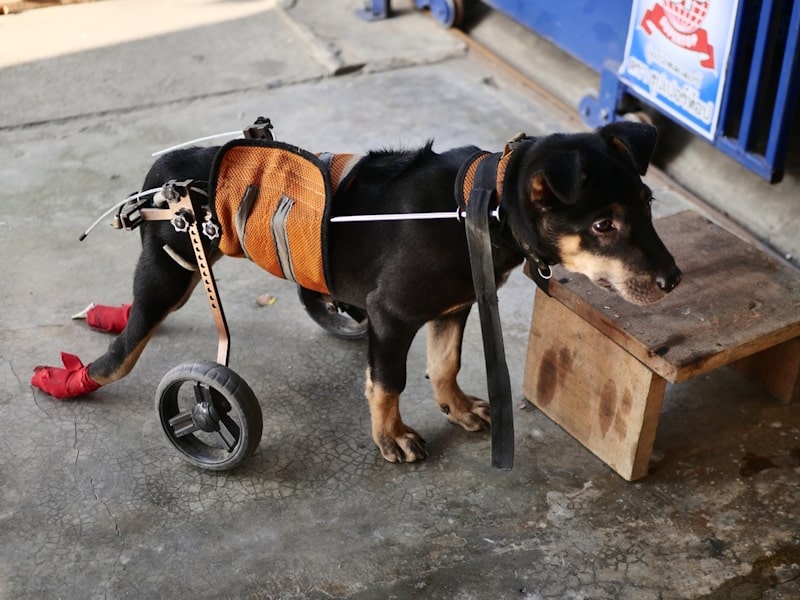
Home-Care Hack: For DM, provide supportive care, including mobility aids (e.g., harnesses, wheelchairs) and physical therapy to maintain muscle mass and function. For IVDD, strict crate rest is essential after diagnosis or surgery. Follow your vet's instructions meticulously.
Red Flag Checklist: Rapidly progressing weakness, loss of coordination, incontinence, or signs of severe pain warrant immediate veterinary attention. Surgical intervention may be necessary for IVDD.
8. Age-Related Changes: Is My Dog's Leg Weakness Simply Due to Old Age?
Age-related muscle loss (sarcopenia) and decreased nerve function can contribute to leg weakness in senior dogs. As dogs age, their muscle mass naturally declines. This is partly due to decreased protein synthesis and increased muscle breakdown. Nerve function also deteriorates with age, leading to slower reflexes and reduced muscle strength.
Home-Care Hack: Provide a comfortable and supportive environment. Ensure easy access to food and water. Consider using ramps or steps to help them navigate stairs or furniture. Gentle, low-impact exercise can help maintain muscle mass and function.
Red Flag Checklist: Sudden or rapid decline in mobility, persistent pain, or any other signs of illness should be evaluated by a veterinarian.
What to Do if My Dog's Legs Give Out
If your dog's legs give out, remain calm. Assess the situation. Is your dog in immediate distress? If so, seek immediate veterinary care. Otherwise, gently examine your dog for any obvious injuries. Then, make an appointment with your veterinarian for a thorough examination to determine the underlying cause.
Treatment Options for Weak Legs in Dogs
Treatment varies widely depending on the underlying cause. It can include pain management, physical therapy, surgery, or medication. The goal is to address the underlying cause and improve your dog's comfort and mobility.
Preventing and Managing Dogs' Legs Giving Out
While not all causes are preventable, maintaining a healthy weight, providing regular exercise, and ensuring a safe environment can help minimize the risk. Regular veterinary check-ups are also crucial for early detection and intervention.
Frequently Asked Questions (FAQ)
How Do I Help My Senior Dog With Weak Back Legs?
Adjust their environment, provide supportive care, and work closely with your veterinarian to manage any underlying conditions. Senior dogs with weak back legs need a comprehensive approach to maintain their quality of life. This often includes environmental modifications, like ramps, to reduce stress on their joints. Regular, gentle exercise can help maintain muscle mass, but it's mission-critical to avoid overexertion.
Will Pet Insurance Pay for My Dog's Legs Giving Out?
It depends on your policy. Review your pet insurance policy carefully to understand the coverage it provides. Some policies may cover diagnostic testing, treatment, and rehabilitation for leg weakness, while others may have exclusions or limitations.
Conclusion
Seeing your dog's legs give out is scary. But understanding the potential causes and knowing how to respond can make a huge difference. Early detection, prompt veterinary care, and supportive home management can help your dog regain their strength and continue to enjoy a happy and active life. And honestly, that's what it's all about.