

Why Is My Dog Bunny Hopping? Understanding the Root Cause & Treatment
Here's something I tell new puppy owners all the time in the exam room: that cute little quirk might not be so cute. If your dog is hopping like a bunny, especially if it's a new behavior, it's not just them being goofy. It's potentially a red flag signaling underlying pain or neurological issues. Don't wait; get it checked out.
For Busy Owners: Bunny hopping is when a dog moves both hind legs together. This gait abnormality often indicates hip or spinal pain. Prompt veterinary evaluation is crucial to diagnose the underlying cause and prevent long-term complications.
What Exactly Is "Bunny Hopping" in Dogs?
Bunny hopping, in vet-speak, is synchronous movement of the hind limbs. Instead of alternating legs like they should, both back legs move together, propelling them forward in a hopping motion. It's not normal, and while it might look funny, it's almost always a sign something's amiss. Think of it as your dog's way of saying, "Hey, something doesn't feel right back here!"
Why Is My Dog Bunny Hopping All of a Sudden? Understanding the Causes
Honestly, the list of potential causes is long, but the most common culprit I see day-to-day is pain. Bunny hopping is often a telltale sign of hip dysplasia or early osteoarthritis. The dog is trying to minimize pain by distributing weight unevenly. Imagine having a pebble in your shoe; you'd adjust your gait to compensate, right? Your dog is doing the same thing.
The Clinical Perspective (Biological 'Why')
Let's get into the nitty-gritty. Hip dysplasia, for instance, results in a malformed hip joint. This incongruity leads to abnormal wear and tear on the cartilage, causing inflammation and pain. Osteoarthritis, on the other hand, involves the breakdown of cartilage due to age, genetics, or injury, exposing the underlying bone. The body's inflammatory response to this exposed bone and cartilage debris triggers further damage and pain. The underlying biological mechanism involves increased levels of inflammatory cytokines like IL-1 and TNF-alpha within the joint, exacerbating the pain and contributing to cartilage degradation.
Furthermore, conditions affecting the spinal cord, such as degenerative myelopathy (DM), can disrupt nerve signals to the hind limbs. DM involves degeneration of the white matter of the spinal cord, specifically the axons responsible for transmitting motor signals. This degeneration leads to progressive hind limb weakness, incoordination (ataxia), and ultimately, paralysis. The exact cause of DM is unknown, but genetic predisposition and oxidative stress are suspected factors. Telomere shortening has also been implicated in the pathogenesis of DM, suggesting a link to cellular aging.
1. Musculoskeletal Issues: Is Hip Dysplasia Causing My Dog to Bunny Hop?
Musculoskeletal problems are prime suspects. Hip dysplasia, osteoarthritis, and patellar luxation (a dislocating kneecap) are common culprits. These conditions cause pain and instability, leading to the bunny hop gait as a compensatory mechanism. It’s your dog’s attempt to alleviate pressure on the affected joint. I see a lot of German Shepherds and Labs with this issue. It's often genetic, but weight management plays a huge role in managing the pain.
2. Neurological Disorders: Could a Spinal Issue Be the Reason for My Dog's Hopping?
Don't rule out neurological problems. Degenerative myelopathy (DM), intervertebral disc disease (IVDD), or even a spinal cord tumor can disrupt nerve signals to the legs, causing weakness and incoordination. This can manifest as bunny hopping. These conditions often present with other neurological signs, like knuckling of the paws or urinary incontinence. It's critical to differentiate between musculoskeletal and neurological causes early on, because the treatment approaches are vastly different.
3. Behavioral Causes: Is My Exuberant Puppy's Bunny Hop Just Play?
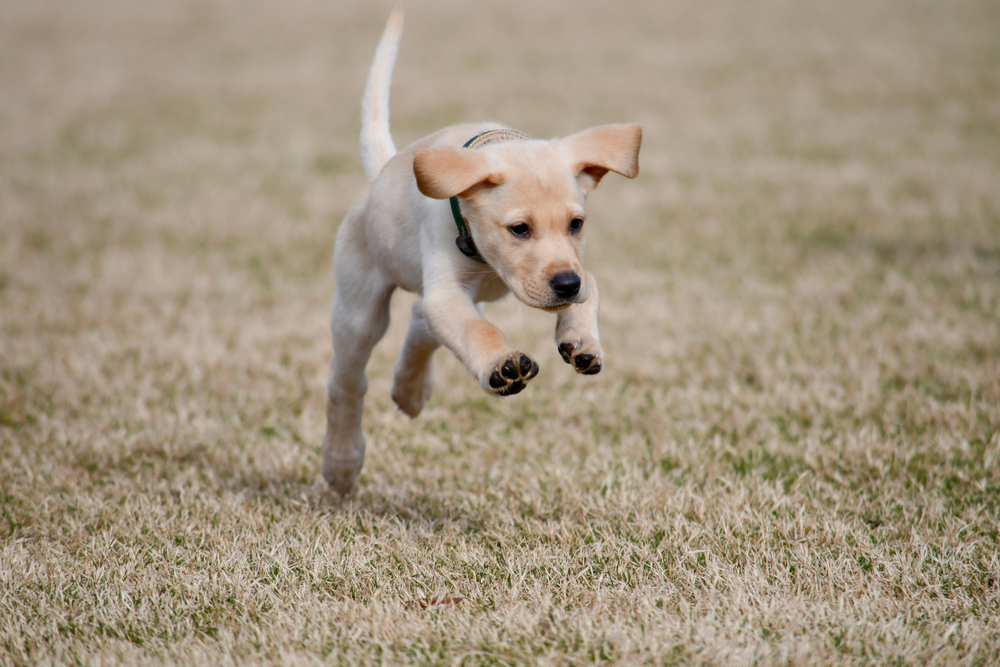
Okay, sometimes it *is* just play, especially in puppies. Exuberant puppies might hop and skip out of sheer joy. Also, dogs running through tall grass might hop to get a better view. But here’s the deal: even if it seems behavioral, *rule out pain first*. A vet visit is non-negotiable to ensure it’s not a masked health issue. I always tell my clients, "Better safe than sorry!"
What Are the Potential Long-Term Consequences If My Dog Keeps Bunny Hopping?
Let's be blunt: chronic bunny hopping is a recipe for disaster. The abnormal weight distribution stresses the joints, leading to further inflammation and pain. This can accelerate the progression of osteoarthritis and lead to muscle imbalances. It's a vicious cycle that can severely impact your dog's mobility and quality of life. Think of it as driving a car with misaligned wheels; eventually, everything will break down.
Home-Care Hacks (Low-cost, practical tips)
- Weight Management: Keep your dog lean. Every extra pound puts unnecessary stress on their joints.
- Low-Impact Exercise: Opt for swimming or short, frequent walks on soft surfaces instead of high-impact activities like running or jumping.
- Joint Supplements: Glucosamine and chondroitin can help support cartilage health. Talk to your vet about appropriate dosages.
- Comfortable Bedding: Provide a supportive, orthopedic bed to cushion their joints.
Preventative Measures: How Can I Stop My Dog From Bunny Hopping?
Prevention is mission-critical. Maintaining a healthy weight, providing regular low-impact exercise, and supplementing with joint-protective nutrients can go a long way. Early detection of musculoskeletal problems through regular vet checkups is also essential. I always recommend annual geriatric screenings for senior dogs to catch these issues early.
What Should I Do If I'm Concerned About My Dog's Gait? The Red Flag Checklist
If you notice your dog bunny hopping, don't panic, but don't ignore it either. Schedule a vet appointment ASAP. Monitor your dog for other signs of pain, like limping, stiffness, or reluctance to move. Document any changes in their behavior or appetite. This information will be invaluable to your vet during the examination.
The Red Flag Checklist (When to panic vs. when to wait)
- Sudden Onset: If the bunny hopping appeared suddenly, seek immediate veterinary attention.
- Accompanying Symptoms: If your dog is also limping, whining, or showing signs of pain, it's an emergency.
- Neurological Signs: If you notice weakness, incoordination, or changes in bowel or bladder control, go to the vet immediately.
- No Improvement: If the bunny hopping persists for more than a few days, even without other symptoms, get it checked out.
Wrap-Up: Is Bunny Hopping a Serious Cause for Concern?
Bunny hopping in dogs is rarely “normal.” It almost always indicates an underlying issue, whether musculoskeletal, neurological, or even behavioral masking pain. Early diagnosis and treatment are vital to prevent long-term complications and ensure your furry friend enjoys a happy, pain-free life. Don't delay; schedule that vet appointment today.