

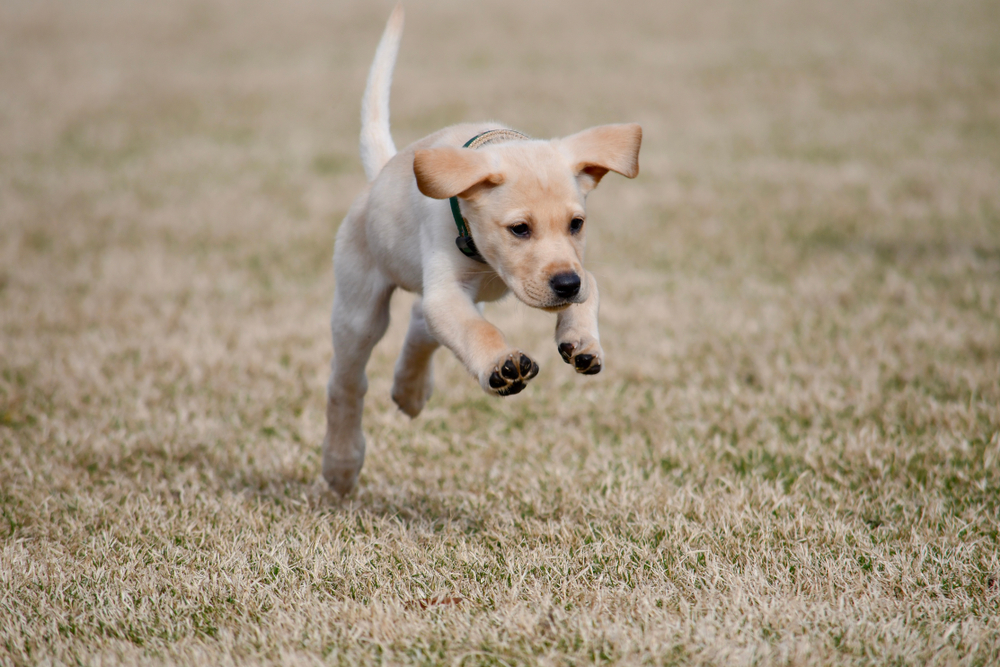
Why Is My Dog Bunny Hopping? Decoding the Jumps, Vet Insights
Okay, let's cut to the chase. You might think it's adorable when your dog hops like a bunny. But here's a fact that'll make you rethink that: persistent bunny hopping is NEVER normal in adult dogs and almost always indicates underlying pain or neurological issues. Ignoring it is like ignoring a blaring alarm.
For Busy Owners: Bunny hopping, where a dog uses both hind legs together to move, is often a sign of discomfort or a neurological problem. It's most commonly related to hip or spinal issues. If you see this, especially if it's new or frequent, a vet visit is non-negotiable.
Why is My Dog Suddenly Bunny Hopping? Understanding the Root Cause
Bunny hopping, characterized by the simultaneous use of both hind legs to propel forward, is often indicative of pain or neurological dysfunction. This gait abnormality warrants veterinary attention to identify the underlying cause and implement appropriate management strategies. Don't wait; early intervention can make a huge difference.
Alright, so your dog's doing the bunny hop. Here’s the deal: this isn’t just some quirky new dance move. It's almost always a symptom of something deeper. I can't tell you how many times I've seen owners in the exam room who initially dismissed it as 'cute', only to find out it was a sign of significant joint or nerve damage. The underlying mechanisms are complex, but it boils down to this: the dog is trying to compensate for pain or instability in their hind limbs. This compensation often leads to further strain and potential long-term damage. Think of it like driving a car with bad alignment – eventually, it wreaks havoc on the tires and suspension.
The Clinical Perspective (Biological ‘Why’)
From a clinical standpoint, bunny hopping is often associated with musculoskeletal issues like hip dysplasia, osteoarthritis, or patellar luxation. Hip dysplasia, for instance, involves abnormal development of the hip joint, leading to instability and pain. This instability forces the dog to alter their gait, resulting in the characteristic bunny hop. Osteoarthritis, on the other hand, is the progressive degeneration of joint cartilage, causing inflammation and pain. The body attempts to stabilize the joint, but the abnormal movement patterns contribute to further cartilage breakdown.
Neurological disorders can also be the culprit. Degenerative myelopathy, a progressive disease affecting the spinal cord, can disrupt nerve signals to the hind limbs, leading to weakness and incoordination. Spinal cord injuries, whether from trauma or other causes, can have similar effects. In these cases, the bunny hop is a manifestation of the dog's attempt to maintain balance and mobility despite the neurological deficits. In puppies, sometimes it IS just exuberance. But persistent hopping should always be investigated.
Is it Hip Dysplasia, or Something Else? Diagnosing the Cause of Bunny Hopping
Diagnosing the cause of bunny hopping requires a thorough veterinary examination, including orthopedic and neurological assessments. Diagnostic imaging, such as radiographs (X-rays) or MRI, may be necessary to visualize the underlying structures and identify any abnormalities. Don't skip these tests; they are mission-critical for proper diagnosis.
Honestly, the diagnostic process can sometimes feel like detective work. In the exam room, I start with a detailed history: when did the hopping start? Is it constant or intermittent? What activities seem to trigger it? Then comes the physical exam. I'm palpating (feeling) the joints, assessing range of motion, and looking for any signs of pain or instability. Neurological reflexes are checked to rule out spinal cord issues. Radiographs are essential to visualize the bones and joints, looking for evidence of dysplasia, arthritis, or other abnormalities. In some cases, advanced imaging like MRI may be needed to evaluate the soft tissues and spinal cord in more detail.
Home-Care Hacks (Low-cost, practical tips)
While a vet visit is essential, there are things you can do at home to support your dog. Make sure they have a comfortable, supportive bed. Raised food and water bowls can reduce strain on their joints. Non-slip surfaces can prevent slips and falls. And gentle massage can help relieve muscle tension. But remember, these are just supportive measures. They don't replace professional veterinary care.
Here’s what I tell my clients: think of your home as a rehab center. Minimize stairs. Use ramps where possible. Keep their weight in check – obesity is a HUGE factor in joint pain. Consider joint supplements like glucosamine and chondroitin, but talk to your vet first. And most importantly, adjust their exercise routine. Short, frequent walks are better than long, strenuous hikes. Swimming is excellent low-impact exercise.
What are the Long-Term Effects of Bunny Hopping on My Dog's Health?
Persistent bunny hopping can lead to chronic pain, reduced mobility, and further joint damage. The abnormal gait places undue stress on the joints and muscles, accelerating the degenerative process. Early intervention is crucial to mitigate these long-term consequences.
Let's be blunt: ignoring bunny hopping is a recipe for disaster. The abnormal weight distribution leads to muscle imbalances, with some muscles becoming overdeveloped while others weaken. This imbalance further destabilizes the joints, creating a vicious cycle of pain and dysfunction. Over time, the constant inflammation can lead to the formation of bone spurs (osteophytes) and further restrict joint movement. And honestly, the chronic pain takes a toll on their mental well-being too. They become less playful, less social, and generally less happy.
How Can I Help My Dog? Preventative Strategies for Joint Health
Preventative measures include maintaining a healthy weight, providing regular, low-impact exercise, and supplementing with joint-protective nutrients. Regular veterinary checkups are also essential for early detection and management of any underlying issues. Prevention is always better (and cheaper) than treatment.
Maintaining a healthy weight is non-negotiable. Every extra pound puts additional stress on their joints. Feed a high-quality diet formulated for their age and activity level. Regular, low-impact exercise is also crucial. Think daily walks, swimming, or gentle play. Avoid high-impact activities like jumping or running on hard surfaces. Joint supplements can also be beneficial, but talk to your vet before starting them. Omega-3 fatty acids, found in fish oil, have anti-inflammatory properties that can help protect joint cartilage.
The Red Flag Checklist (When to panic vs. when to wait)
When should you panic? If the bunny hopping is sudden, severe, or accompanied by other symptoms like limping, vocalization of pain, or loss of appetite, seek immediate veterinary attention. These are red flags that warrant urgent evaluation. If it's mild and intermittent, it's still important to get it checked out, but you may have a little more time.
Here's a simple rule of thumb: if you're worried, call your vet. It's always better to err on the side of caution. Other red flags include: reluctance to get up or move, stiffness after rest, swelling of the joints, and changes in behavior like aggression or withdrawal. Remember, dogs are masters at hiding pain. If you notice ANY changes in their gait or behavior, don't ignore them.
What Are the Treatment Options for a Dog Who Bunny Hops?
Treatment options vary depending on the underlying cause of the bunny hopping. They may include pain medication, anti-inflammatory drugs, joint supplements, physical therapy, or surgery. A multimodal approach is often the most effective.
Honestly, treatment is always tailored to the individual dog. Pain medication is often necessary to manage discomfort. Non-steroidal anti-inflammatory drugs (NSAIDs) are commonly used, but they can have side effects, so it's important to use them judiciously and under veterinary supervision. Joint supplements like glucosamine and chondroitin can help protect joint cartilage and reduce inflammation. Physical therapy can improve strength, flexibility, and range of motion. In some cases, surgery may be necessary to correct underlying problems like hip dysplasia or patellar luxation.
Wrap-Up: Taking Action for Your Dog's Well-being
Bunny hopping in dogs is not normal and warrants veterinary attention. Early diagnosis and treatment can help mitigate long-term consequences and improve your dog's quality of life. Don't delay; your dog's health is worth it.
Ultimately, your dog's health and happiness are in your hands. Be proactive. Be observant. And be their advocate. If you see something, say something. Your vet is your partner in this journey. Together, you can help your furry friend live a long, healthy, and pain-free life. And that's what it's all about, isn't it?